

Volume 27, Issue 3 (9-2026)
Arch Rehabil 2026, 27(3): 422-445 |
Back to browse issues page



Ethics code: IR.MUI.REC.1395.2.260


Download citation:
BibTeX | RIS | EndNote | Medlars | ProCite | Reference Manager | RefWorks
Send citation to:


BibTeX | RIS | EndNote | Medlars | ProCite | Reference Manager | RefWorks
Send citation to:
Jafarian F S, Sadeghi Demneh E. Effect of Orthotic Interventions on Pain Intensity and Hand Function in People With De Quervain’s Tenosynovitis: A Systematic Review and Meta-analysis of Randomized Controlled Trials. , Arch Rehabil. 2026; 27 (3) :422-445
URL: http://rehabilitationj.uswr.ac.ir/article-1-3735-en.html
URL: http://rehabilitationj.uswr.ac.ir/article-1-3735-en.html

1- Musculoskeletal Research Center, School of Rehabilitation Sciences, Isfahan University of Medical Sciences, Isfahan, Iran.
2- Musculoskeletal Research Center, School of Rehabilitation Sciences, Isfahan University of Medical Sciences, Isfahan, Iran. ,sadeghi@rehab.mui.ac.ir
2- Musculoskeletal Research Center, School of Rehabilitation Sciences, Isfahan University of Medical Sciences, Isfahan, Iran. ,
Full-Text [PDF 3932 kb]
(644 Downloads)
| Abstract (HTML) (2022 Views)
Full-Text: (109 Views)
Introduction
De Quervain’s disease (DQT) is the most common tendinopathies of the hand and wrist [1]. Repeated loading of the extensor pollicis brevis (EPB) and abductor pollicis longus (APL) tendons is considered as the pathophysiological mechanism. Continuous friction may lead to tendon irritation, impaired tendon gliding, and entrapment [1, 2]. Clinically, DQT is known by pain along the lateral part of the wrist. This pain is worsened during gripping tasks or wrist movements involving ulnar deviation [3]. The Finkelstein test is commonly used as a provocative clinical maneuver to diagnose DQT. This maneuver places additional mechanical load on the EPB and APL tendons, which commonly elicits the patient’s typical pain symptoms [4]. Although, DQT is mostly observed in adults, particularly women over the age of 40 years [2], it can affect individuals across all age groups and both sexes. It is especially prevalent among those engaged in occupations, sports, or activities that involve repetitive wrist and thumb movements or prolonged use of manual tools [5].
Conservative management remains the first-line treatment for DQT and is generally individualized based on symptom severity and disease chronicity [6]. Non-surgical interventions include the use of nonsteroidal anti-inflammatory drugs (NSAIDs), corticosteroid injection (CSI), physiotherapy, therapeutic ultrasound (US), and splinting or immobilization [6, 7]. These interventions primarily aim to reduce pain and inflammation while improving hand function, flexibility, and range of motion (ROM) [6]. Evidence regarding the optimal conservative treatment approach remains inconsistent. Some studies have reported superior clinical outcomes with CSI alone compared to CSI combined with casting [8, 9], whereas others suggest that the addition of immobilization enhances therapeutic effectiveness [10].
Thumb spica splint is a commonly prescribed orthotic intervention, designed to stabilize the thumb and restrict motion within the first dorsal compartment [7]. These orthoses may be fabricated in short or long configurations and as static or dynamic designs, depending on the required degree of wrist support and motion control [11]. Furthermore, recommended duration and frequency of orthosis use vary widely; patients can wear them full-time to part-time based on clinical manifestations [12]. Despite the widespread clinical use of splints, evidence regarding their effectiveness compared to other conservative interventions remains inconclusive. Some studies have reported the superiority of CSI, whereas others have emphasized the adjunctive role of immobilization in improving treatment outcomes [8-10]. Furthermore, variability in splint type (static versus dynamic), degree of motion restriction, and duration of use has created substantial heterogeneity across studies, complicating interpretation of the findings.
Although several review studies have examined DQT management, the available evidence remains limited and does not provide a clear conclusion on the specific effectiveness of orthotic intervention. Most previous studies have compared surgical and non-surgical treatment options, with orthotic interventions often evaluated within multimodal treatment approaches. This makes it difficult to isolate the independent effect of splints from other concurrent therapeutic interventions [3, 13-15]. This gap limits the ability to make evidence-based clinical recommendations on the optimal choice of orthosis. In addition, previous studies have not systematically compared different splint designs, such as static versus dynamic splints. Therefore, no robust evidence supports the superiority of either approach in terms of pain and functional improvement. Beyond these conceptual limitations, the existing literature is affected by several methodological issues. The number of high-quality randomized clinical trials (RCTs) remains limited, and considerable heterogeneity exists in study design, intervention protocols, duration of splint use, outcome measures, and follow-up periods. Such heterogeneity reduces the comparability of results and limits their generalizability to routine clinical practice. Furthermore, many studies have not clearly compared the effectiveness of splinting alone with its use in combination with other treatments. Accordingly, a significant gap remains in the current literature regarding the role of different types of splints in improving the symptoms of DQT. Therefore, this systematic review and meta-analysis aims to evaluate the evidence from RCTs on orthotic interventions, with a particular focus on evaluating their independent effect compared to when they are used in combination with other therapeutic modalities.
Materials and Methods
This systematic review was registered in the international prospective register of systematic reviews (PROSPERO; registry number: CRD42018104494).
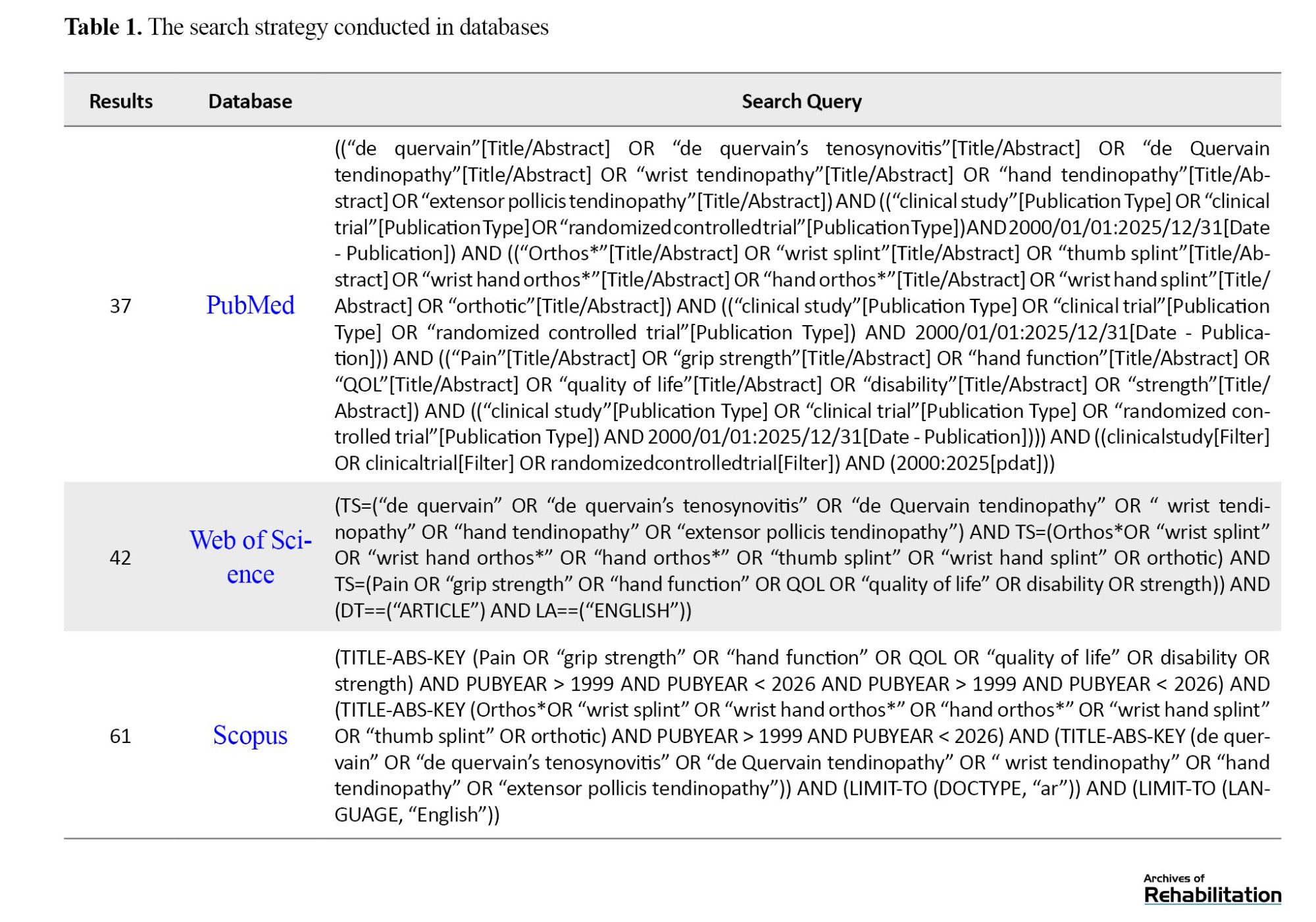
We conducted a comprehensive search in PubMed, Web of Science, and Scopus for RCTs evaluating the efficacy of orthotic interventions on pain and hand function in individuals with DQT, published from January 1, 2000, to December 31, 2025. Relevant search terms were identified and selected by the main investigator (Fahimeh Sadat Jafarian) using Medical Subject Headings (MeSH) terms and related keywords (Table 1).
To minimize publication bias and identify additional evidence, supplementary searches were carried out in grey literature sources, including OpenGrey, World Health Organization (WHO), and the International Clinical Trials Registry Platform (ICTRP). Furthermore, a manual search of the reference lists of all eligible studies was carried out to identify more studies that met the predefined inclusion criteria. The exclusion criteria were non-randomized RCTS, RCTs evaluating surgical interventions or treatments combined with modalities other than orthoses, case reports, or systematic and narrative reviews. EndNote software (version 20.1; Thomson Reuters, New York, NY, USA) was used to import all records. Two authors independently screened records to determine potential eligibility. Discrepancies between the two authors were resolved by discussion. A third investigator was consulted to make the final decision when consensus could not be reached.
Data extracted from the selected studies included first author name, year of publication, study country, study design, participants, type of intervention, duration of follow-up, outcomes, and main findings.
RoB 2 was used for risk of bias assessment, performed by two authors independently. This tool was originally developed by Higgins et al. [16] and was later refined by Sterne et al. [17]. The RoB 2 tool evaluates five domains of potential bias related to the design, conduct, and reporting of randomized trials. Each domain was evaluated using a set of signaling questions (ranging from 2-6 per domain), designed to guide judgment of bias. Responses to each question were “yes/probably yes,” “no/probably no,” or “no information.” A response of “yes/probably yes” indicates a low risk of bias, whereas “no/probably no” indicates a high risk of bias. The response “no information” indicates either high risk of bias or some concerns, depending on the specific domain and contextual factors. Overall risk of bias judgments for each RCT were determined as follows: (a) a study was considered to have a low risk of bias when all five domains were rated as “low risk”; (b) a study was considered to have some concerns when at least one domain was rated as “some concerns”, provided that no domain was judged as “high risk”; (c) a study was considered to have high risk of bias if at least one domain was rated as “high risk”
Data related to participant characteristics, outcome measures, and intervention protocols that could not be quantitatively pooled due to heterogeneity in measurement instruments or outcome scales were synthesized narratively. Quantitative synthesis was performed for pain outcomes using RevMan software, version 5.3. Pain intensity was analyzed as a continuous outcome and expressed as standardized mean differences (SMDs) with corresponding 95% confidence intervals (CIs). Statistical heterogeneity was assessed using the chi-square and I² statistics. Data were considered to be homogeneous when P>0.05 and I²<50%, and heterogeneous when P≤0.05 and I²≥50%. The magnitude of heterogeneity was interpreted as low (0–25%), moderate (25–50%), or high (50–100%) [18]. Funnel plot was not generated because of the insufficient number of studies in each comparison (<10). P<0.05 was considered statistically significant.
Results
Figure 1 shows the PRISMA (preferred reporting items for systematic reviews and meta-analyses) diagram of the study selection process.
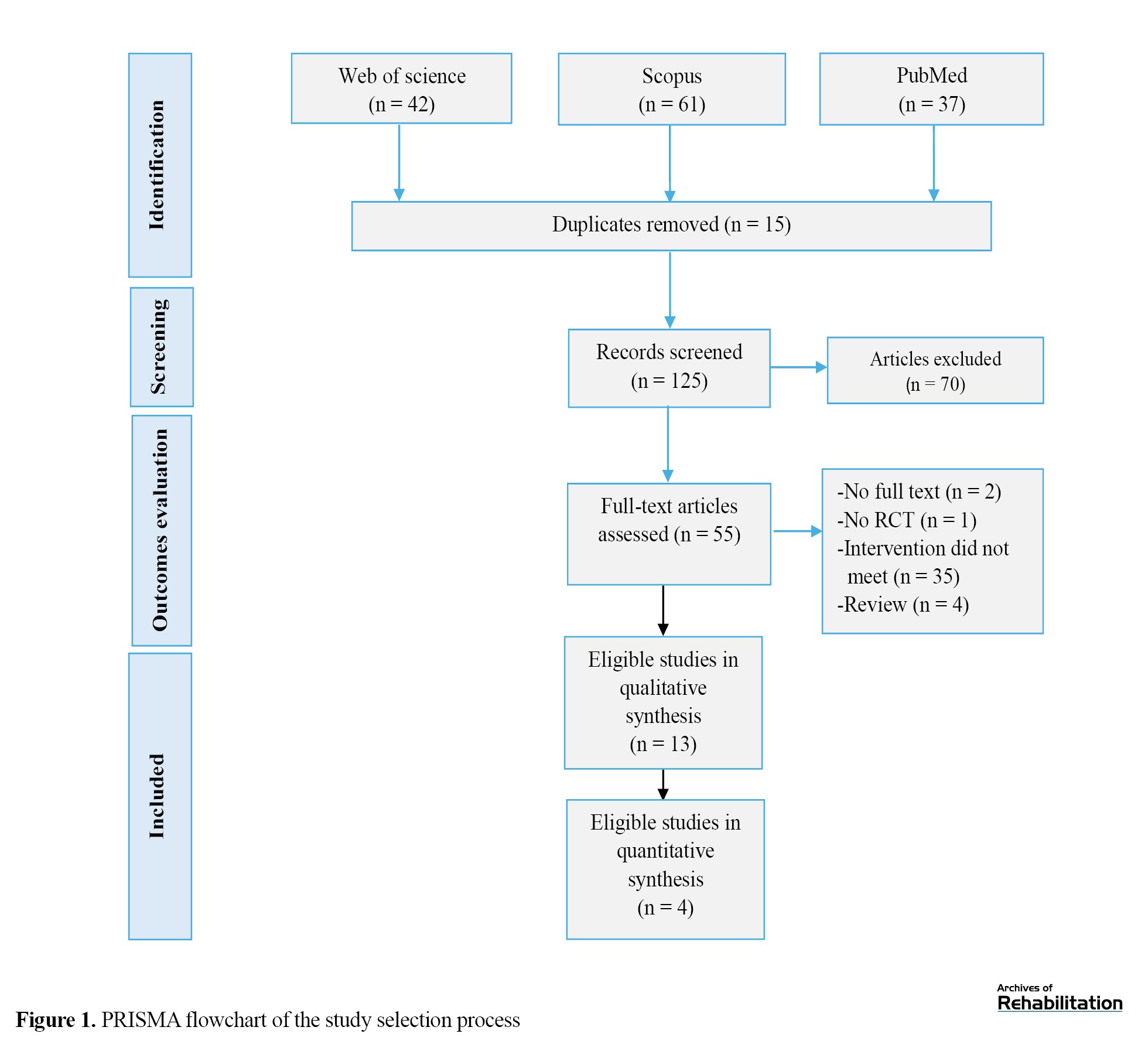 The electronic database search yielded 140 RCTs. After removing 15 duplicates, 125 remained for title and abstract screening. Of these, 70 were excluded based on the eligibility criteria. The remaining 55 articles were assessed for eligibility criteria. Studies that did not meet the predefined inclusion criteria were excluded. Ultimately, 13 RCTs were included in the final analysis [7, 11, 12, 19-28].
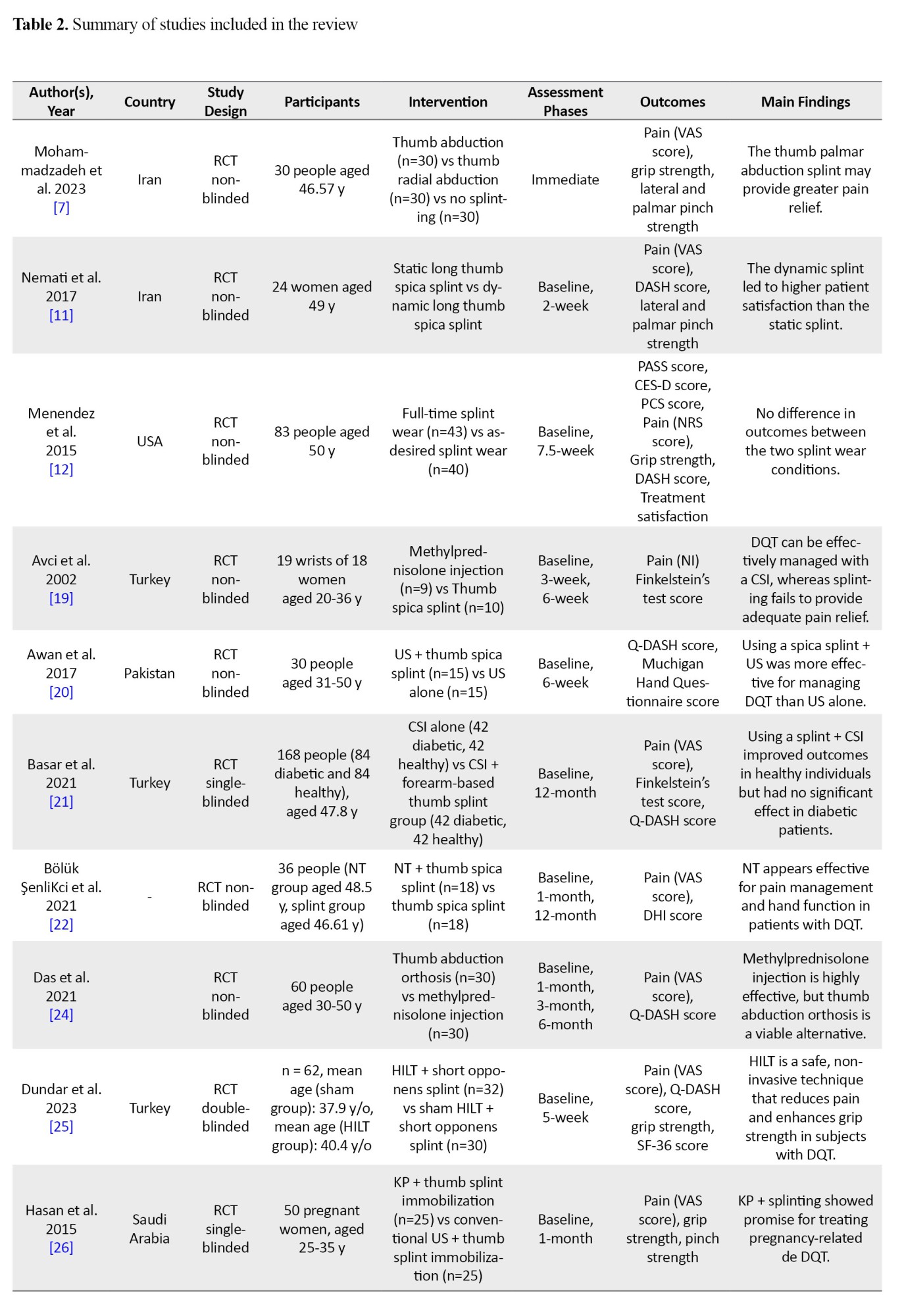
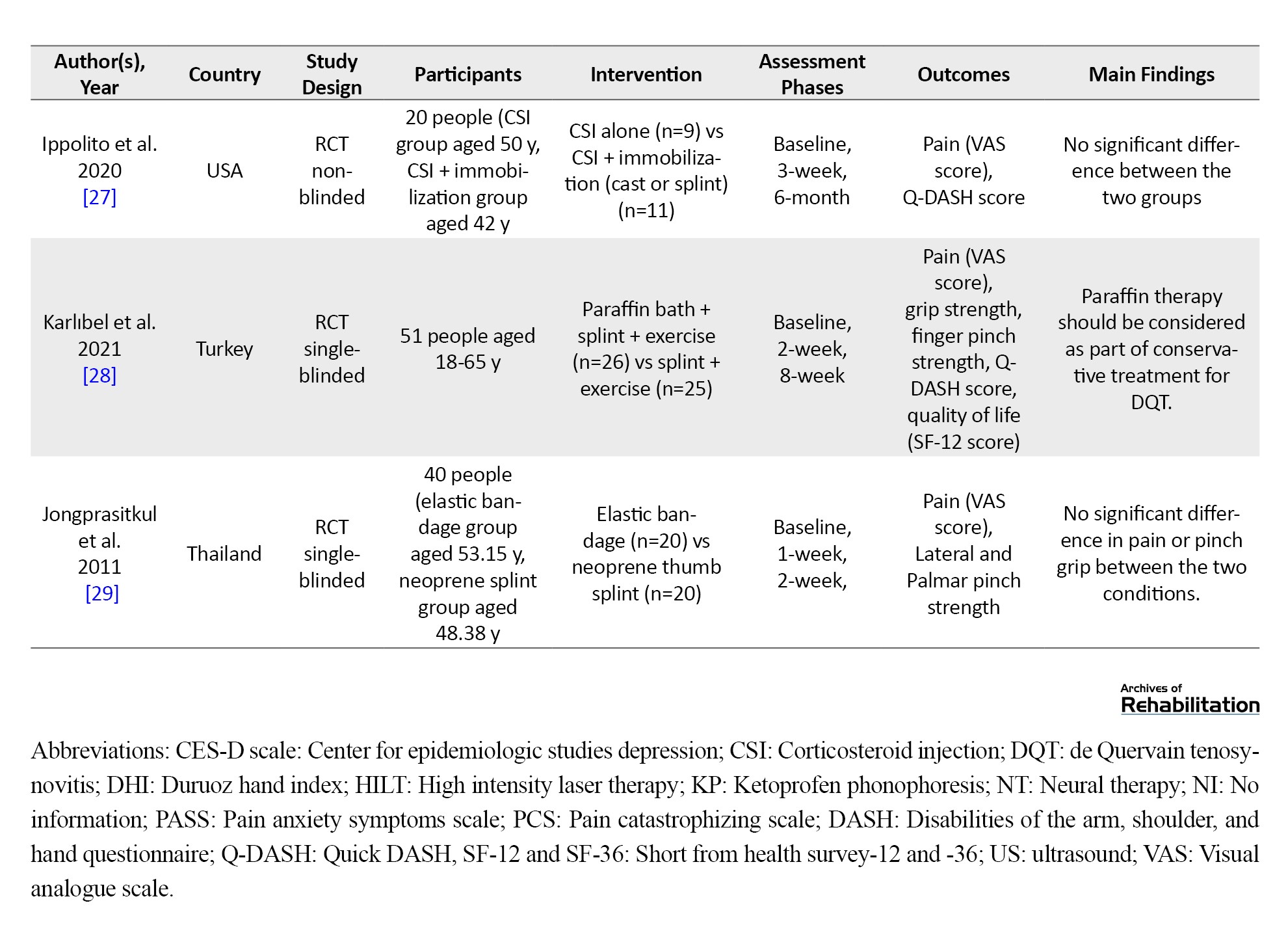
The included 13 RCTs [7, 11, 12, 19-28] involved 662 participants. The mean age of participants ranged from 18 to 65 years. Most individuals had a confirmed DQT diagnosis. The included studies used a wide range of conservative treatment modalities, including CSI, US, neurotherapy, casting, and various types of splints. Each study compared two or three interventions and reported comparative outcomes. The assessed variables included pain intensity, Finkelstein’s test outcomes, hand grip strength, palmar and lateral pinch strength, and upper limb functional status. The visual analog scale (VAS) or a numerical rating scale (NRS) was used to assess pain. In some studies, pain was reported as a percentage score derived from the disabilities of the arm, shoulder and hand (DASH) questionnaire. Upper extremity functional status was evaluated using the DASH questionnaire or its shortened form (quick DASH). In addition, a hand-held dynamometer and a pinch gauge were used to measure grip and pinch strength, respectively. The duration of follow-up varied across studies, ranging from immediate post-intervention assessments to long-term follow-up periods of up to one year.
Two studies focused on specific subgroups of patients. One study evaluated the effectiveness of conservative interventions in pregnant women aged 25–35 years [25], while a study compared responses in diabetic versus healthy individuals [21]. Based on the type of intervention, the included studies were categorized into four groups. The first group included CRTs that compared splinting with another intervention or with non-intervention [7, 19, 23]. In the second group of studies, splinting was provided as a standard baseline treatment to both groups, with or without additional interventions such as neurotherapy, US, paraffin therapy, or injection [22, 24, 25, 28]. In the third group of studies, splints with different designs or wearing durations were compared between the study groups [7, 11, 12]. The final group of studies compared CSI or US therapy directly with splinting as the primary intervention [20, 21, 26]. Table 2 summarizes the general characteristics of the eligible studies.
We visualized the risk-of-bias assessment results using the RoB VISualization (Robvis) tool [29], as shown in Figure 2a.
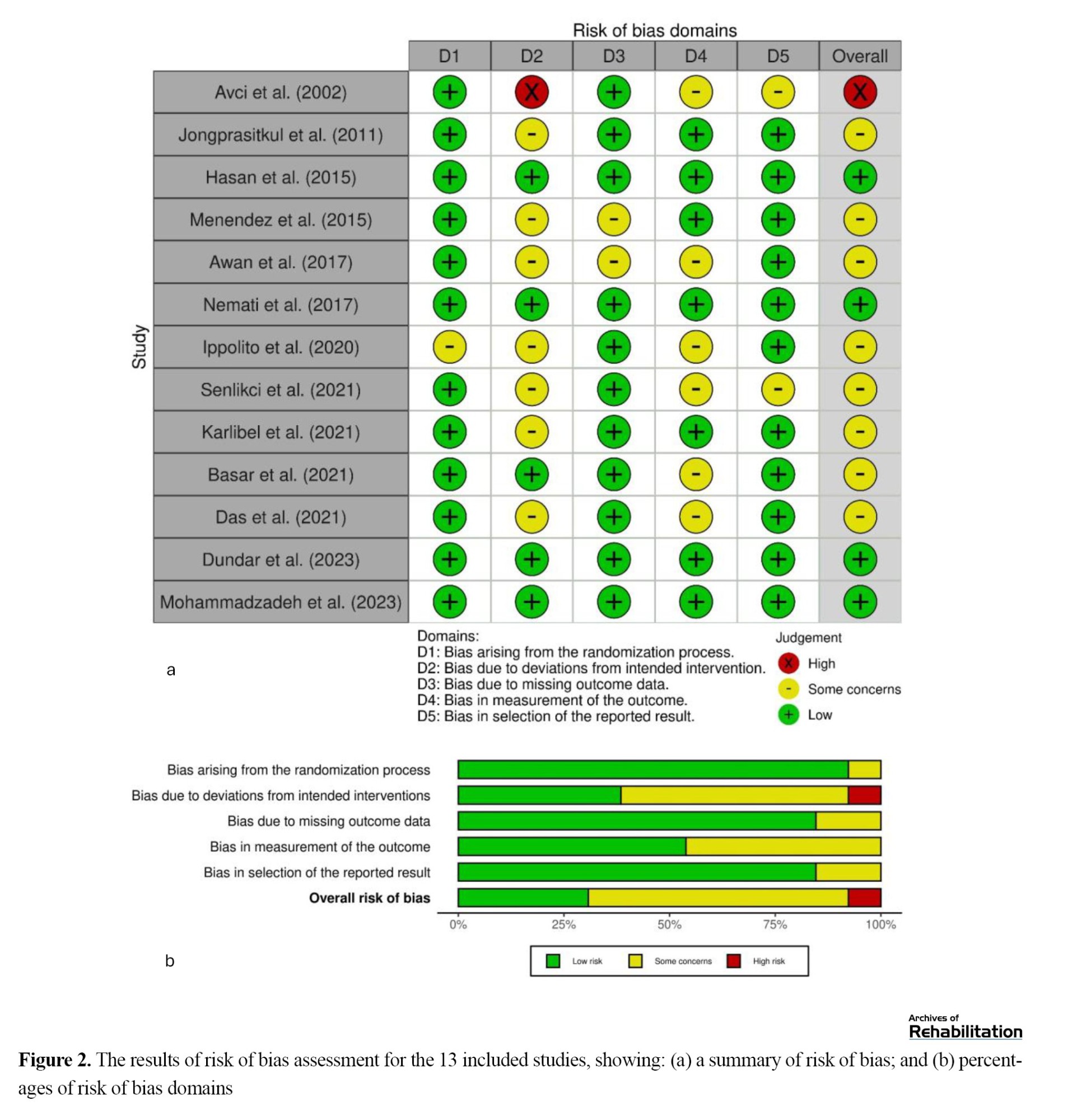 Two authors independently evaluated the methodological quality of 13 included RCTs. Any discrepancies were resolved through discussion, resulting in full consensus between the authors. Overall, one RCT was classified as “high risk” [19], eight RCTs were rated as “some concerns” [12, 20-23, 26-28], and four RCTs were marked as “low risk” [7, 11, 24, 25]. The most common methodological limitations were identified based on Domains 2 and 4. In contrast, studies demonstrated the strongest methodological quality in Domain 1, with 12 studies rated as “low risk” [7, 11, 12, 19, 21-25, 27, 28] and one study as “some concerns” [26]. Similarly, Domains 3 and 5 showed generally favorable ratings, with 11 studies classified as “low risk”. Two studies rated as “some concerns”. The overall risk-of-bias assessment results for the included studies are plotted in Figure 2b.
Meta-analysis results for pain intensity
For quantitative synthesis, we analyzed the pain outcome at two clinically relevant intervals: short-term (1 month) and long-term (6-12 months). These time points were selected to maximize comparability across studies. Studies reporting only immediate post-intervention effects or using non-comparable pain scales or reporting formats were excluded from the meta-analysis and included solely in the qualitative (narrative) analysis. This approach ensured methodological consistency and enhanced the interpretability of pooled estimates regarding the effectiveness of orthotic interventions in individuals with DQT.
Two RCTs [22, 25] evaluated the short-term effects of ketoprofen phonophoresis (KP), US, and neurotherapy combined with thumb splinting on pain intensity. The meta-analysis included 86 participants (43 in the intervention group and 43 in the control group). Their meta-analysis revealed a statistically significant pain reduction in the intervention group (mean difference: -2.75; 95% CI: -3.21%, -2.29%; P<0.001) (Figure 3).
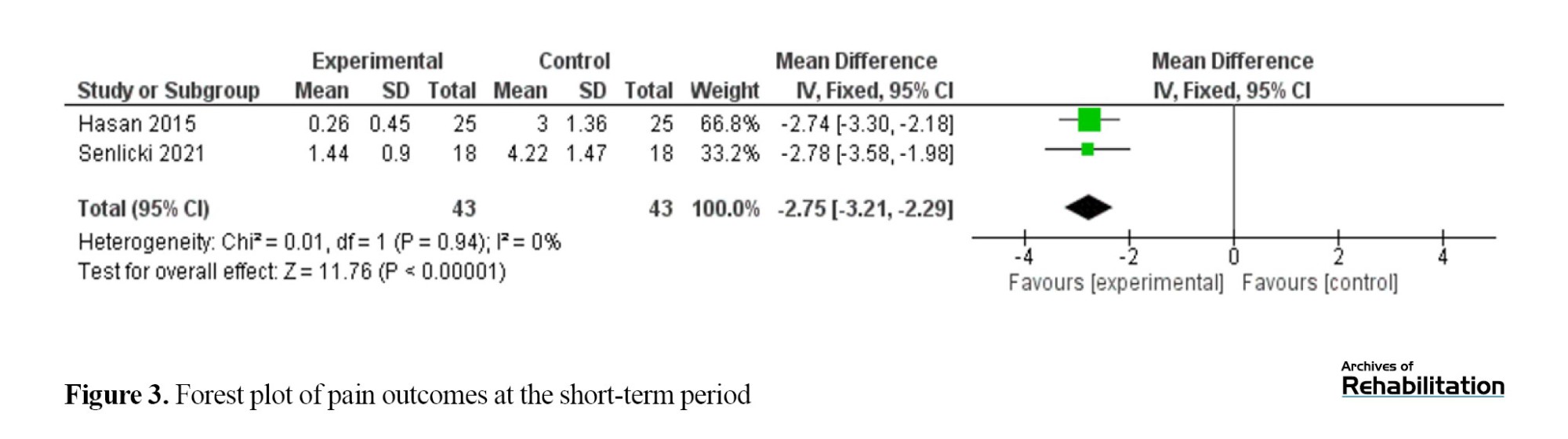 A fixed-effects model using the inverse variance method was applied, as no statistical heterogeneity was detected between studies (I²=0%). The findings indicated that combining thumb splinting with KP or neurotherapy provided better short-term pain relief than splinting alone.
Two RCTs [21, 26] investigated the long-term effects of thumb splinting combined with CSI. In both trials, all participants received CSI, while only the intervention groups received additional thumb splinting. The meta-analysis included 124 participants, 62 per group. The pooled analysis demonstrated no significant difference in pain reduction between groups at long-term (mean difference: -0.34; 95% CI, -1.4%, 0.73%; P=0.54) (Figure 4).
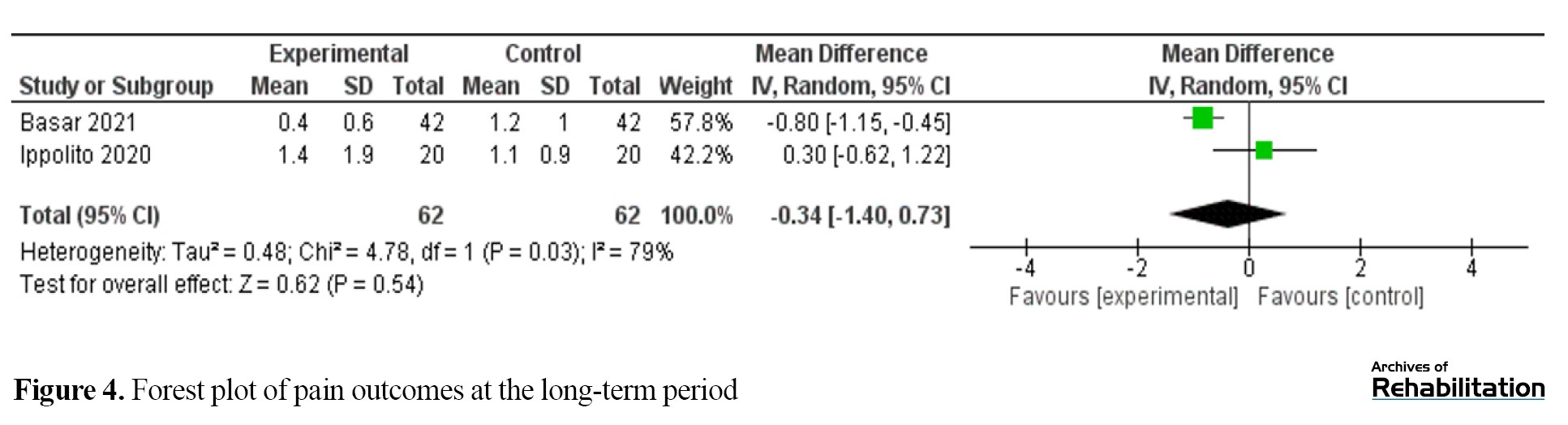 Substantial heterogeneity was observed (I²>50%), suggesting variability in intervention protocols or patient characteristics across studies.
Effects of interventions on hand function
Of the 13 included studies, only 7 assessed hand function by measuring grip strength with a hand-held dynamometer or pinch gauge [7, 11, 12, 24, 25, 27, 28]. Variations in measurement methods and inconsistencies in reporting hand function outcomes precluded a quantitative synthesis. Results from these RCTs recommended that grip and pinch strength improved when subjects with DQT used thumb splints; however, this effect appears highly dependent on splint type, duration of use, and concurrency with other interventions. For instance, Nemati et al. [11] and Mohammadzadeh et al. [7] found that dynamic or static thumb splints may lead to significant improvements in grip strength, which may indirectly improve hand function. In contrast, Menendez et al. [12] demonstrated no significant difference between the effects of full-time splint wear and as-desired splint use, highlighting the role of patient compliance and behavioral factors in treatment effectiveness. Furthermore, comparisons between splint use and other interventions, such as CSI or physiotherapy, suggest that splinting alone may have limited efficacy in improving hand function and is more appropriately considered an adjunctive treatment modality [20, 23].
Discussion
This systematic review indicates that the efficacy of orthotic interventions, especially thumb and wrist splints, in managing DQT remains uncertain, despite their broad clinical acceptance. Although the overall results showed pain reductions and hand function improvements, these effects were inconsistent across studies and were influenced by concomitant interventions, follow-up duration, and differences in study design.
While splint use is widely accepted as a conservative management method prior to surgical intervention, the present study findings suggest that splint use alone may not offer a clear advantage over other treatment options, especially CSI; some evidence indicates that injections may result in faster and greater improvement in clinical symptoms. However, many of these studies had moderate to high risk of bias. On the other hand, meta-analysis findings showed that combining splinting with adjunctive interventions such as KP or neurotherapy was associated with significant short-term (1 month) improvements in pain and hand function [22, 25]. Nevertheless, these benefits were not maintained in long-term follow-up. Moreover, combined interventions involving splinting and CSI did not demonstrate clear superiority over other treatment approaches at 6–12 months post-intervention [21, 26]. These results indicate that the benefits of certain combined therapies may be mainly short-term and palliative and do not necessarily lead to lasting improvement.
Overall, thumb splints—regardless of design—did not show clear superiority over alternative interventions for pain reduction or hand function. Several RCTs compared thumb splinting with methylprednisolone injections [19, 21, 23, 26], while one RCT evaluated splinting against elastic bandage [27]. In these studies, CSI consistently resulted in greater improvement in clinical outcomes [19, 23]. Accordingly, splinting may be more appropriate for patients with mild symptoms, whereas patients with moderate to severe DQT may benefit from combined treatment approaches, such as splinting + CSI, to achieve better pain relief and functional outcomes. Although three of these RCTs [19, 23, 27] were rated as “some concerns” or “high risk” of bias, their findings were generally consistent.
Thumb immobilization in an abducted position is commonly recommended to reduce tendon strain while preserving hand function [3]. The two main positions used in splint design include palmar and radial abduction, both of which are widely accepted in clinical practice. However, some evidence suggests that positioning the thumb in palmar abduction may be associated with greater pain reduction and better hand function during activities [7]. Nevertheless, these findings were mainly based on small-sample studies; therefore, their generalizability should be interpreted with caution.
In addition to thumb positioning, splint design may also influence treatment acceptance and patient’s adherence. Some studies reported that dynamic splints, which allow wrist motion, were associated with greater comfort, reduced functional limitation, and higher patient satisfaction [11]. However, due to the lack of RCTs and heterogeneity in intervention designs, evidence remains insufficient to demonstrate the definitive superiority of any specific design over others.
Another notable finding was the non-significant association between splint wear duration and treatment outcomes [12]. This suggests that the effectiveness of orthotic interventions may not depend on prolonged splint use and clinically may allow greater flexibility in prescribing duration of use. As a result, the pooled findings should be interpreted with some caution, as heterogeneity in treatment protocols, variation in splint type and use duration, and limited monitoring of patient adherence in some studies may have influenced the results. In addition, factors such as symptom severity, concomitant treatments, and individual characteristics may also influence the relationship between splint use duration and clinical outcomes. Despite these limitations, the findings were mainly derived from articles having a low risk of bias or with some concerns, which may support the robustness of the results [7, 11, 12].
Several RCTs used thumb splinting as a standard intervention in the study groups and assessed the effects of additional adjunctive therapies [22, 24, 25, 28]. In a study on pregnant women, the combination of KP with splinting resulted in greater pain reduction and hand function improvement compared to conventional US therapy [25]. Similarly, neurotherapy [22], paraffin therapy [28], and high-intensity laser therapy [24], when combined with thumb splinting, showed beneficial effects on both pain and hand function. These findings indicate that splints can serve as an effective treatment base, which can be further enhanced by adding other non-invasive modalities to improve clinical outcomes.
There were some limitations in this study. Outcome measures and reporting methods varied considerably, necessitating exclusion of some RCTs from quantitative synthesis. Furthermore, heterogeneity in splint design, wear duration, and combined therapies limited data pooling and may have influenced effect estimates. As a result, the pooled findings should be interpreted with some caution.
Conclusion
Orthotic interventions, particularly thumb splints, may be effective in reducing pain and improving hand function in patients with DQT, especially in the short term. However, the current evidence does not show clear superiority of splinting over other conservative treatment modalities, and its effectiveness appears influenced by splint design, concomitant interventions, and treatment protocols. In addition, the observed heterogeneity across reviewed studies, variations in orthotic design, and methodological limitations reduce the certainty and generalizability of the findings. Therefore, although splint use can be considered as part of a conservative modality, the available evidence is insufficient to provide definitive recommendations regarding the optimal type or application protocol. Well-designed RCTs are needed to further clarify the role of orthotic interventions in clinical practice.
Ethical Considerations
Compliance with ethical guidelines
This study was approved by the Research Ethics Committee of Isfahan University of Medical Sciences, Isfahan, Iran (Code: IR.MUI.REC.1395.2.260).
Funding
This article is part of a research project (Project Code: 295260), funded by Isfahan University of Medical Sciences.
Authors' contributions
All authors contributed equally to the conception and design of the study, data collection and analysis, interpretation of the results, and drafting of the manuscript. Each author approved the final version of the manuscript for submission.
Conflict of interest
The authors declared no conflict of interest.
Statement on the use of AI tools
No AI tools were used for the preparation of this article.
References
De Quervain’s disease (DQT) is the most common tendinopathies of the hand and wrist [1]. Repeated loading of the extensor pollicis brevis (EPB) and abductor pollicis longus (APL) tendons is considered as the pathophysiological mechanism. Continuous friction may lead to tendon irritation, impaired tendon gliding, and entrapment [1, 2]. Clinically, DQT is known by pain along the lateral part of the wrist. This pain is worsened during gripping tasks or wrist movements involving ulnar deviation [3]. The Finkelstein test is commonly used as a provocative clinical maneuver to diagnose DQT. This maneuver places additional mechanical load on the EPB and APL tendons, which commonly elicits the patient’s typical pain symptoms [4]. Although, DQT is mostly observed in adults, particularly women over the age of 40 years [2], it can affect individuals across all age groups and both sexes. It is especially prevalent among those engaged in occupations, sports, or activities that involve repetitive wrist and thumb movements or prolonged use of manual tools [5].
Conservative management remains the first-line treatment for DQT and is generally individualized based on symptom severity and disease chronicity [6]. Non-surgical interventions include the use of nonsteroidal anti-inflammatory drugs (NSAIDs), corticosteroid injection (CSI), physiotherapy, therapeutic ultrasound (US), and splinting or immobilization [6, 7]. These interventions primarily aim to reduce pain and inflammation while improving hand function, flexibility, and range of motion (ROM) [6]. Evidence regarding the optimal conservative treatment approach remains inconsistent. Some studies have reported superior clinical outcomes with CSI alone compared to CSI combined with casting [8, 9], whereas others suggest that the addition of immobilization enhances therapeutic effectiveness [10].
Thumb spica splint is a commonly prescribed orthotic intervention, designed to stabilize the thumb and restrict motion within the first dorsal compartment [7]. These orthoses may be fabricated in short or long configurations and as static or dynamic designs, depending on the required degree of wrist support and motion control [11]. Furthermore, recommended duration and frequency of orthosis use vary widely; patients can wear them full-time to part-time based on clinical manifestations [12]. Despite the widespread clinical use of splints, evidence regarding their effectiveness compared to other conservative interventions remains inconclusive. Some studies have reported the superiority of CSI, whereas others have emphasized the adjunctive role of immobilization in improving treatment outcomes [8-10]. Furthermore, variability in splint type (static versus dynamic), degree of motion restriction, and duration of use has created substantial heterogeneity across studies, complicating interpretation of the findings.
Although several review studies have examined DQT management, the available evidence remains limited and does not provide a clear conclusion on the specific effectiveness of orthotic intervention. Most previous studies have compared surgical and non-surgical treatment options, with orthotic interventions often evaluated within multimodal treatment approaches. This makes it difficult to isolate the independent effect of splints from other concurrent therapeutic interventions [3, 13-15]. This gap limits the ability to make evidence-based clinical recommendations on the optimal choice of orthosis. In addition, previous studies have not systematically compared different splint designs, such as static versus dynamic splints. Therefore, no robust evidence supports the superiority of either approach in terms of pain and functional improvement. Beyond these conceptual limitations, the existing literature is affected by several methodological issues. The number of high-quality randomized clinical trials (RCTs) remains limited, and considerable heterogeneity exists in study design, intervention protocols, duration of splint use, outcome measures, and follow-up periods. Such heterogeneity reduces the comparability of results and limits their generalizability to routine clinical practice. Furthermore, many studies have not clearly compared the effectiveness of splinting alone with its use in combination with other treatments. Accordingly, a significant gap remains in the current literature regarding the role of different types of splints in improving the symptoms of DQT. Therefore, this systematic review and meta-analysis aims to evaluate the evidence from RCTs on orthotic interventions, with a particular focus on evaluating their independent effect compared to when they are used in combination with other therapeutic modalities.
Materials and Methods
This systematic review was registered in the international prospective register of systematic reviews (PROSPERO; registry number: CRD42018104494).
We conducted a comprehensive search in PubMed, Web of Science, and Scopus for RCTs evaluating the efficacy of orthotic interventions on pain and hand function in individuals with DQT, published from January 1, 2000, to December 31, 2025. Relevant search terms were identified and selected by the main investigator (Fahimeh Sadat Jafarian) using Medical Subject Headings (MeSH) terms and related keywords (Table 1).
To minimize publication bias and identify additional evidence, supplementary searches were carried out in grey literature sources, including OpenGrey, World Health Organization (WHO), and the International Clinical Trials Registry Platform (ICTRP). Furthermore, a manual search of the reference lists of all eligible studies was carried out to identify more studies that met the predefined inclusion criteria. The exclusion criteria were non-randomized RCTS, RCTs evaluating surgical interventions or treatments combined with modalities other than orthoses, case reports, or systematic and narrative reviews. EndNote software (version 20.1; Thomson Reuters, New York, NY, USA) was used to import all records. Two authors independently screened records to determine potential eligibility. Discrepancies between the two authors were resolved by discussion. A third investigator was consulted to make the final decision when consensus could not be reached.
Data extracted from the selected studies included first author name, year of publication, study country, study design, participants, type of intervention, duration of follow-up, outcomes, and main findings.
RoB 2 was used for risk of bias assessment, performed by two authors independently. This tool was originally developed by Higgins et al. [16] and was later refined by Sterne et al. [17]. The RoB 2 tool evaluates five domains of potential bias related to the design, conduct, and reporting of randomized trials. Each domain was evaluated using a set of signaling questions (ranging from 2-6 per domain), designed to guide judgment of bias. Responses to each question were “yes/probably yes,” “no/probably no,” or “no information.” A response of “yes/probably yes” indicates a low risk of bias, whereas “no/probably no” indicates a high risk of bias. The response “no information” indicates either high risk of bias or some concerns, depending on the specific domain and contextual factors. Overall risk of bias judgments for each RCT were determined as follows: (a) a study was considered to have a low risk of bias when all five domains were rated as “low risk”; (b) a study was considered to have some concerns when at least one domain was rated as “some concerns”, provided that no domain was judged as “high risk”; (c) a study was considered to have high risk of bias if at least one domain was rated as “high risk”
Data related to participant characteristics, outcome measures, and intervention protocols that could not be quantitatively pooled due to heterogeneity in measurement instruments or outcome scales were synthesized narratively. Quantitative synthesis was performed for pain outcomes using RevMan software, version 5.3. Pain intensity was analyzed as a continuous outcome and expressed as standardized mean differences (SMDs) with corresponding 95% confidence intervals (CIs). Statistical heterogeneity was assessed using the chi-square and I² statistics. Data were considered to be homogeneous when P>0.05 and I²<50%, and heterogeneous when P≤0.05 and I²≥50%. The magnitude of heterogeneity was interpreted as low (0–25%), moderate (25–50%), or high (50–100%) [18]. Funnel plot was not generated because of the insufficient number of studies in each comparison (<10). P<0.05 was considered statistically significant.
Results
Figure 1 shows the PRISMA (preferred reporting items for systematic reviews and meta-analyses) diagram of the study selection process.
The included 13 RCTs [7, 11, 12, 19-28] involved 662 participants. The mean age of participants ranged from 18 to 65 years. Most individuals had a confirmed DQT diagnosis. The included studies used a wide range of conservative treatment modalities, including CSI, US, neurotherapy, casting, and various types of splints. Each study compared two or three interventions and reported comparative outcomes. The assessed variables included pain intensity, Finkelstein’s test outcomes, hand grip strength, palmar and lateral pinch strength, and upper limb functional status. The visual analog scale (VAS) or a numerical rating scale (NRS) was used to assess pain. In some studies, pain was reported as a percentage score derived from the disabilities of the arm, shoulder and hand (DASH) questionnaire. Upper extremity functional status was evaluated using the DASH questionnaire or its shortened form (quick DASH). In addition, a hand-held dynamometer and a pinch gauge were used to measure grip and pinch strength, respectively. The duration of follow-up varied across studies, ranging from immediate post-intervention assessments to long-term follow-up periods of up to one year.
Two studies focused on specific subgroups of patients. One study evaluated the effectiveness of conservative interventions in pregnant women aged 25–35 years [25], while a study compared responses in diabetic versus healthy individuals [21]. Based on the type of intervention, the included studies were categorized into four groups. The first group included CRTs that compared splinting with another intervention or with non-intervention [7, 19, 23]. In the second group of studies, splinting was provided as a standard baseline treatment to both groups, with or without additional interventions such as neurotherapy, US, paraffin therapy, or injection [22, 24, 25, 28]. In the third group of studies, splints with different designs or wearing durations were compared between the study groups [7, 11, 12]. The final group of studies compared CSI or US therapy directly with splinting as the primary intervention [20, 21, 26]. Table 2 summarizes the general characteristics of the eligible studies.
We visualized the risk-of-bias assessment results using the RoB VISualization (Robvis) tool [29], as shown in Figure 2a.
Meta-analysis results for pain intensity
For quantitative synthesis, we analyzed the pain outcome at two clinically relevant intervals: short-term (1 month) and long-term (6-12 months). These time points were selected to maximize comparability across studies. Studies reporting only immediate post-intervention effects or using non-comparable pain scales or reporting formats were excluded from the meta-analysis and included solely in the qualitative (narrative) analysis. This approach ensured methodological consistency and enhanced the interpretability of pooled estimates regarding the effectiveness of orthotic interventions in individuals with DQT.
Two RCTs [22, 25] evaluated the short-term effects of ketoprofen phonophoresis (KP), US, and neurotherapy combined with thumb splinting on pain intensity. The meta-analysis included 86 participants (43 in the intervention group and 43 in the control group). Their meta-analysis revealed a statistically significant pain reduction in the intervention group (mean difference: -2.75; 95% CI: -3.21%, -2.29%; P<0.001) (Figure 3).
Two RCTs [21, 26] investigated the long-term effects of thumb splinting combined with CSI. In both trials, all participants received CSI, while only the intervention groups received additional thumb splinting. The meta-analysis included 124 participants, 62 per group. The pooled analysis demonstrated no significant difference in pain reduction between groups at long-term (mean difference: -0.34; 95% CI, -1.4%, 0.73%; P=0.54) (Figure 4).
Effects of interventions on hand function
Of the 13 included studies, only 7 assessed hand function by measuring grip strength with a hand-held dynamometer or pinch gauge [7, 11, 12, 24, 25, 27, 28]. Variations in measurement methods and inconsistencies in reporting hand function outcomes precluded a quantitative synthesis. Results from these RCTs recommended that grip and pinch strength improved when subjects with DQT used thumb splints; however, this effect appears highly dependent on splint type, duration of use, and concurrency with other interventions. For instance, Nemati et al. [11] and Mohammadzadeh et al. [7] found that dynamic or static thumb splints may lead to significant improvements in grip strength, which may indirectly improve hand function. In contrast, Menendez et al. [12] demonstrated no significant difference between the effects of full-time splint wear and as-desired splint use, highlighting the role of patient compliance and behavioral factors in treatment effectiveness. Furthermore, comparisons between splint use and other interventions, such as CSI or physiotherapy, suggest that splinting alone may have limited efficacy in improving hand function and is more appropriately considered an adjunctive treatment modality [20, 23].
Discussion
This systematic review indicates that the efficacy of orthotic interventions, especially thumb and wrist splints, in managing DQT remains uncertain, despite their broad clinical acceptance. Although the overall results showed pain reductions and hand function improvements, these effects were inconsistent across studies and were influenced by concomitant interventions, follow-up duration, and differences in study design.
While splint use is widely accepted as a conservative management method prior to surgical intervention, the present study findings suggest that splint use alone may not offer a clear advantage over other treatment options, especially CSI; some evidence indicates that injections may result in faster and greater improvement in clinical symptoms. However, many of these studies had moderate to high risk of bias. On the other hand, meta-analysis findings showed that combining splinting with adjunctive interventions such as KP or neurotherapy was associated with significant short-term (1 month) improvements in pain and hand function [22, 25]. Nevertheless, these benefits were not maintained in long-term follow-up. Moreover, combined interventions involving splinting and CSI did not demonstrate clear superiority over other treatment approaches at 6–12 months post-intervention [21, 26]. These results indicate that the benefits of certain combined therapies may be mainly short-term and palliative and do not necessarily lead to lasting improvement.
Overall, thumb splints—regardless of design—did not show clear superiority over alternative interventions for pain reduction or hand function. Several RCTs compared thumb splinting with methylprednisolone injections [19, 21, 23, 26], while one RCT evaluated splinting against elastic bandage [27]. In these studies, CSI consistently resulted in greater improvement in clinical outcomes [19, 23]. Accordingly, splinting may be more appropriate for patients with mild symptoms, whereas patients with moderate to severe DQT may benefit from combined treatment approaches, such as splinting + CSI, to achieve better pain relief and functional outcomes. Although three of these RCTs [19, 23, 27] were rated as “some concerns” or “high risk” of bias, their findings were generally consistent.
Thumb immobilization in an abducted position is commonly recommended to reduce tendon strain while preserving hand function [3]. The two main positions used in splint design include palmar and radial abduction, both of which are widely accepted in clinical practice. However, some evidence suggests that positioning the thumb in palmar abduction may be associated with greater pain reduction and better hand function during activities [7]. Nevertheless, these findings were mainly based on small-sample studies; therefore, their generalizability should be interpreted with caution.
In addition to thumb positioning, splint design may also influence treatment acceptance and patient’s adherence. Some studies reported that dynamic splints, which allow wrist motion, were associated with greater comfort, reduced functional limitation, and higher patient satisfaction [11]. However, due to the lack of RCTs and heterogeneity in intervention designs, evidence remains insufficient to demonstrate the definitive superiority of any specific design over others.
Another notable finding was the non-significant association between splint wear duration and treatment outcomes [12]. This suggests that the effectiveness of orthotic interventions may not depend on prolonged splint use and clinically may allow greater flexibility in prescribing duration of use. As a result, the pooled findings should be interpreted with some caution, as heterogeneity in treatment protocols, variation in splint type and use duration, and limited monitoring of patient adherence in some studies may have influenced the results. In addition, factors such as symptom severity, concomitant treatments, and individual characteristics may also influence the relationship between splint use duration and clinical outcomes. Despite these limitations, the findings were mainly derived from articles having a low risk of bias or with some concerns, which may support the robustness of the results [7, 11, 12].
Several RCTs used thumb splinting as a standard intervention in the study groups and assessed the effects of additional adjunctive therapies [22, 24, 25, 28]. In a study on pregnant women, the combination of KP with splinting resulted in greater pain reduction and hand function improvement compared to conventional US therapy [25]. Similarly, neurotherapy [22], paraffin therapy [28], and high-intensity laser therapy [24], when combined with thumb splinting, showed beneficial effects on both pain and hand function. These findings indicate that splints can serve as an effective treatment base, which can be further enhanced by adding other non-invasive modalities to improve clinical outcomes.
There were some limitations in this study. Outcome measures and reporting methods varied considerably, necessitating exclusion of some RCTs from quantitative synthesis. Furthermore, heterogeneity in splint design, wear duration, and combined therapies limited data pooling and may have influenced effect estimates. As a result, the pooled findings should be interpreted with some caution.
Conclusion
Orthotic interventions, particularly thumb splints, may be effective in reducing pain and improving hand function in patients with DQT, especially in the short term. However, the current evidence does not show clear superiority of splinting over other conservative treatment modalities, and its effectiveness appears influenced by splint design, concomitant interventions, and treatment protocols. In addition, the observed heterogeneity across reviewed studies, variations in orthotic design, and methodological limitations reduce the certainty and generalizability of the findings. Therefore, although splint use can be considered as part of a conservative modality, the available evidence is insufficient to provide definitive recommendations regarding the optimal type or application protocol. Well-designed RCTs are needed to further clarify the role of orthotic interventions in clinical practice.
Ethical Considerations
Compliance with ethical guidelines
This study was approved by the Research Ethics Committee of Isfahan University of Medical Sciences, Isfahan, Iran (Code: IR.MUI.REC.1395.2.260).
Funding
This article is part of a research project (Project Code: 295260), funded by Isfahan University of Medical Sciences.
Authors' contributions
All authors contributed equally to the conception and design of the study, data collection and analysis, interpretation of the results, and drafting of the manuscript. Each author approved the final version of the manuscript for submission.
Conflict of interest
The authors declared no conflict of interest.
Statement on the use of AI tools
No AI tools were used for the preparation of this article.
References
- Ilyas AM, Ast M, Schaffer AA, Thoder J. De quervain tenosynovitis of the wrist. The Journal of The American Academy of Orthopaedic Surgeons. 2007; 15(12):757-64. [DOI:10.5435/00124635-200712000-00009] [PMID]
- Wolf JM, Sturdivant RX, Owens BD. Incidence of de Quervain’s tenosynovitis in a young, active population. The Journal of Hand Surgery. 2009; 34(1):112-5. [DOI:10.1016/j.jhsa.2008.08.020] [PMID]
- Goel R, Abzug JM. de Quervain’s tenosynovitis: A review of the rehabilitative options. Hand (N Y). 2015; 10(1):1-5. [DOI:10.1007/s11552-014-9649-3] [PMID]
- Wu F, Rajpura A, Sandher D. Finkelstein’s test is superior to Eichhoff’s test in the investigation of de Quervain’s disease. Journal of Hand and Microsurgery. 2018; 10(02):116-8. [DOI:10.1055/s-0038-1626690] [PMID]
- Cockenpot E, Lefebvre G, Demondion X, Chantelot C, Cotten A. Imaging of sports-related hand and wrist injuries: Sports imaging series. Radiology. 2016; 279(3):674-92. [DOI:10.1148/radiol.2016150995] [PMID]
- Huisstede BM, Coert JH, Fridén J, Hoogvliet P. Multidisciplinary Consensus Guideline for Managing Trigger Finger: Results From the European HANDGUIDE Study. Physical Therapy. 2014; 94(10):1421-33. [DOI:10.2522/ptj.20130135]
- Mohammadzadeh H, Zarezadeh A, Mardani MA, Sadeghi-Demneh E. Studying the Immediate Effects of Two Types of Thumb Splints on the Pain, Grip Strength, and Hand Function in People With De Quervain Tenosynovitis. Archives of Rehabilitation. 2023; 23(4):464-81. [DOI:10.32598/RJ.23.4.1775.8]
- Shahzad K, Khan RDA, Iqbal S, Zahid FM, Israr M, Aslam B. Comparison of intralesional corticosteroid injection with and without thumb Spica cast for de-Quervain tenosynovitis. The Professional Medical Journal. 2021; 28(11):1682-6. [DOI:10.29309/TPMJ/2021.28.11.4732]
- Zarezadeh A, Rastegar S, Arabzadeh N. [Comparing the therapeutic results of methylprednisolone acetate injection with or without thumb spica casting in patients with de Quervain’s disease (Persian)]. Journal of Isfahan Medical School. 2015; 33(331):554-62. [Link]
- Mardani-Kivi M, Karimi Mobarakeh M, Bahrami F, Hashemi-Motlagh K, Saheb-Ekhtiari K, Akhoondzadeh N. Corticosteroid injection with or without thumb spica cast for de Quervain tenosynovitis. The Journal of Hand Surgery. 2014; 39(1):37-41. [DOI:10.1016/j.jhsa.2013.10.013] [PMID]
- Nemati Z, Javanshir MA, Saeedi H, Farmani F, Aghajani Fesharaki S. The effect of new dynamic splint in pinch strength in De Quervain syndrome: a comparative study. Disability and Rehabilitation. Assistive Technology. 2017; 12(5):457-61. [DOI:10.3109/17483107.2016.1139635] [PMID]
- Menendez ME, Thornton E, Kent S, Kalajian T, Ring D. A prospective randomized clinical trial of prescription of full-time versus as-desired splint wear for de Quervain tendinopathy. International Orthopaedics. 2015; 39(8):1563-9. [DOI:10.1007/s00264-015-2779-6] [PMID]
- Challoumas D, Ramasubbu R, Rooney E, Seymour-Jackson E, Putti A, Millar NL. Management of de Quervain Tenosynovitis: A Systematic Review and Network Meta-Analysis. JAMA Network Open. 2023; 6(10):e2337001. [DOI:10.1001/jamanetworkopen.2023.37001] [PMID]
- Cuenca-Zaldívar JN, Martínez-Pozas O, Riba E, Rouafi H, Ucero-Lozano R, Selva-Sarzo F, et al. Conservative treatments for De Quervain’s tenosynovitis: A systematic review and network meta-analysis. Journal of Hand Therapy. 2026; 39(3):479-95. [DOI:10.1016/j.jht.2025.09.001] [PMID]
- Cevik J, Keating N, Hornby A, Salehi O, Seth I, Rozen WM. Corticosteroid injection versus immobilisation for the treatment of De Quervain’s tenosynovitis: A systematic review and meta-analysis. Hand Surgery & Rehabilitation. 2024; 43(3):101694. [DOI:10.1016/j.hansur.2024.101694] [PMID]
- Higgins JPT, Green S. Cochrane handbook for systematic reviews of interventions. Chichester (UK): John Wiley & Sons; 2008. [Link]
- Sterne JA, Savović J, Page MJ, Elbers RG, Blencowe NS, Boutron I, et al. RoB 2: A revised tool for assessing risk of bias in randomised trials. BMJ. 2019; 366:l4898. [DOI:10.1136/bmj.l4898] [PMID]
- Huedo-Medina TB, Sánchez-Meca J, Marín-Martínez F, Botella J. Assessing heterogeneity in meta-analysis: Q statistic or I² index? Psychological Methods. 2006; 11(2):193-206. [DOI:10.1037/1082-989X.11.2.193] [PMID]
- Avci S, Yılmaz C, Şaylı U. Comparison of nonsurgical treatment measures for de Quervain’s disease of pregnancy and lactation. The Journal of Hand Surgery. 2002; 27(2):322-4. [DOI:10.1053/jhsu.2002.32084] [PMID]
- Awan WA, Babur MN, Masood T. Effectiveness of therapeutic ultrasound with or without thumb spica splint in the management of De Quervain’s disease. Journal of Back and Musculoskeletal Rehabilitation. 2017; 30(4):691-7. [DOI:10.3233/BMR-160591] [PMID]
- Başar B, Aybar A, Basar G, Başar H. The effectiveness of corticosteroid injection and splint in diabetic de Quervain’s tenosynovitis patients: A single-blind, randomized clinical consort study Medicine (Baltimore). 2021; 100(35):e27067. [DOI:10.1097/MD.0000000000027067] [PMID]
- Bölük Şenli̇Kci H, Odabaşı ÖS, Ural Nazlıkul FG, Nazlikul H. Effects of local anaesthetics (neural therapy) on pain and hand functions in patients with De Quervain tenosynovitis: A prospective randomised controlled study. International Journal of Clinical Practice. 2021;75(10):e14581. [DOI:10.1111/ijcp.14581] [PMID]
- Chongkriengkrai T, Koonalinthip N, Jongprasitkul H, Piriyajarukul A, Surarangsit T, Boonhong J. Effectiveness of high-intensity laser application combined with splinting and therapeutic exercise in subacute de Quervain’s tenosynovitis: A pilot study. Lasers in Medical Science. 2023; 38(1):229. [DOI:10.1007/s10103-023-03892-1] [PMID]
- Das R, Bimol N, Deb D, Meethal SA, Singh YN. Efficacy of thumb abduction orthosis versus local methylprednisolone acetate injection in de quervain’s tenosynovitis: A randomized controlled trial. Journal of Medical Society. 2021; 35(1):35-9. [DOI:10.4103/jms.jms_125_20]
- Dundar Ahi E, Sirzai H. Short-term Effectiveness of High-intensity Laser Therapy in De Quervain Tenosynovitis: A Prospective, Randomized, Controlled Study. Medeniyet Medical Journal. 2023; 38(1):24-31. [DOI:10.4274/MMJ.galenos.2023.67279] [PMID]
- Hasan T, Fauzi M. De quervain’s tenosynovitis and phonophoresis: A randomised controlled trial in pregnant females. Journal of Orthopaedics, Trauma and Rehabilitation. 2015; 19(1):2-6. [DOI:10.1016/j.jotr.2014.04.001]
- Ippolito JA, Hauser S, Patel J, Vosbikian M, Ahmed I. Nonsurgical Treatment of De Quervain Tenosynovitis: A Prospective Randomized Trial. Hand (N Y). 2020; 15(2):215-9. [DOI:10.1177/1558944718791187] [PMID]
- Karlıbel İA, Aksoy MK, Alkan A. Paraffin bath therapy in De Quervain’s tenosynovitis: A single-blind randomized controlled trial. International Journal of Biometeorology. 2021; 65(8):1391-8. [DOI:10.1007/s00484-021-02111-2] [PMID]
- Jongprasitkul H, Suputtitada A, Kitisomprayoonkul W, Pintawiruj K. Elastic bandage vs neoprene thumb stabilizer splint in acute De Quervain’s tenosynovitis. Asian Biomedicine. 2011; 5(2):263-7. [DOI:10.5372/1905-7415.0502.035]
- McGuinness LA, Higgins JPT. Risk-of-bias VISualization (robvis): An R package and Shiny web app for visualizing risk-of-bias assessments. Research Synthesis Methods. 2021; 12(1):55-61. [DOI:10.1002/jrsm.1411] [PMID]
Type of Study: Systematic Review |
Subject:
Orthotics & Prosthetics
Send email to the article author
| Rights and permissions | |
 |
This work is licensed under a Creative Commons Attribution-NonCommercial 4.0 International License. |

Copyright © The Author(s);
This is an open access article distributed under the terms of the Creative Commons Attribution-NonCommercial 4.0 (CC-By-NC 4.0), which permits use, distribution, and reproduction in any medium, provided the original work is properly cited and is not used for commercial purposes.
Contact Information
This is an open access article distributed under the terms of the Creative Commons Attribution-NonCommercial 4.0 (CC-By-NC 4.0), which permits use, distribution, and reproduction in any medium, provided the original work is properly cited and is not used for commercial purposes.
Contact Information