
Volume 27, Issue 3 (9-2026)
Arch Rehabil 2026, 27(3): 522-543 |
Back to browse issues page



Ethics code: IR.MAZUMS.REC.1402.386


Download citation:
BibTeX | RIS | EndNote | Medlars | ProCite | Reference Manager | RefWorks
Send citation to:


BibTeX | RIS | EndNote | Medlars | ProCite | Reference Manager | RefWorks
Send citation to:
alizadeh saravi Z, Bagheri – Nesami M, Madani Z, Ranjbar M, Hosseinnataj A. Effect of a Cardiac Rehabilitation Program on Dyspnea Severity and the 6-minute Walk Test Parameters in Patients With Heart Failure: A Randomized Clinical Trial. , Arch Rehabil. 2026; 27 (3) :522-543
URL: http://rehabilitationj.uswr.ac.ir/article-1-3635-en.html
URL: http://rehabilitationj.uswr.ac.ir/article-1-3635-en.html
Zahra Alizadeh saravi1  , Masoumeh Bagheri – Nesami *2 , Zahra Madani3 , Maryam Ranjbar4 , Abolfazl Hosseinnataj5
1- Student Research Committee, Mazandaran University of Medical Sciences, Sari, Iran.
2- Traditional and Complementary Medicine Research Center, Addiction Institute, Mazandaran University of Medical Sciences, Sari, Iran. ,Anna3043@gmail.com
3- Department of Sports Medicine, Traditional and Complementary Medicine Research Center, Mazandaran University of Medical Sciences, Sari, Iran.
4- Department of Cardiology, Cardiovascular Research Center, Faculty of Medicine, Mazandaran University of Medical Sciences, Sari, Iran.
5- Department of Biostatistics and Epidemiology, Faculty of Health, Mazandaran University of Medical Sciences, Sari, Iran.
2- Traditional and Complementary Medicine Research Center, Addiction Institute, Mazandaran University of Medical Sciences, Sari, Iran. ,
3- Department of Sports Medicine, Traditional and Complementary Medicine Research Center, Mazandaran University of Medical Sciences, Sari, Iran.
4- Department of Cardiology, Cardiovascular Research Center, Faculty of Medicine, Mazandaran University of Medical Sciences, Sari, Iran.
5- Department of Biostatistics and Epidemiology, Faculty of Health, Mazandaran University of Medical Sciences, Sari, Iran.
Full-Text [PDF 2568 kb]
(522 Downloads)
| Abstract (HTML) (1497 Views)
Full-Text: (120 Views)
Introduction
Heart failure (HF) is one of the most common cardiovascular disorders, which is considered a chronic, progressive, and debilitating disorder. This disease is associated with physical limitations, poor quality of life (QoL), severe decline in various dimensions of QoL, frequent hospitalization, and a difficult life for patients [1]. HF is a complex clinical syndrome caused by structural or functional impairment of the left ventricle that results in inadequate cardiac output and the heart’s inability to meet the body’s needs. Despite the progress in the treatment and prevention of this disease, it is one of the leading causes of death worldwide [2]. In 2017, HF affected at least 26 million people worldwide, and this number continues to grow [3]. In a 2022 study, it was estimated that 64.3 million people worldwide are living with heart problems, and their prevalence in developed countries is known to be 1-2% among the adult population [4]. In Iran, cardiovascular diseases have a burden of 20-23% [5]. In terms of mortality, a study has shown that the one-year mortality rate due to HF in Iran was about 32%, which is close to the rate in other countries. This disease is also closely related to aging, diabetes, high blood pressure, atrial fibrillation, and chronic kidney and lung diseases [6, 7]. Dyspnea and fatigue are debilitating symptoms in patients with HF [8]. Patients with chronic HF also have a significantly reduced vital capacity and exercise tolerance compared to healthy individuals [9]. Dyspnea is an important symptom of HF, with studies estimating the prevalence of severe dyspnea at 69%.
The 6-minute walk test (6MWT) is a diagnostic test used to assess exercise tolerance and vital capacity in HF patients and is performed clinically to evaluate the effectiveness of interventions [10]. Patients with HF often have functional limitations and their maximal oxygen uptake is clearly impaired, which leads to a reduction in the amount of activities such as the 6MWT before any intervention [11]. Many therapeutic options can reduce dyspnea and improve 6MWT scores in heart patients, including patient education and appropriate dietary therapy to increase cardiac contractility and prevent worsening of the patient’s condition [12]. Exercise is one of the most effective non-pharmacological methods influencing cells and body organs. Numerous studies have shown that exercise induces favorable physiological adaptations and reduces the severity of dyspnea, and subsequently improves the QoL in patients with cardiovascular diseases [13]. However, there is still a need to understand which components of exercise (frequency, intensity, duration, type, or their combination) are most effective in improving cardiovascular adaptation to exercise and reducing symptoms such as dyspnea.
In a study, different forms of exercise, including inspiratory muscle training (IMT) or breathing exercises, resistance training (RT), and aerobic exercises, were used in patients with cardiac problems, and their effectiveness in improving symptoms, including shortness of breath, was evaluated [14]. In a review study, IMT six times a week for 12 weeks was reported as a suitable method for increasing functional capacity and reducing dyspnea in patients with chronic HF [15]. In a clinical trial, the effect of 8-week IMT on dyspnea severity in patients with chronic HF for 1-2 months was evaluated, and its positive effects was reported [16]. A review also showed that IMT improves dyspnea, functional capacity, and 6MWT scores in patients with chronic HF [17]. Some studies have also shown that the combination of RT and aerobic training (for 10 weeks) has a long-term positive effect on the cardiovascular system by reducing dyspnea and the 6MWT scores [18, 19]. A study on HF patients, which examined both moderate continuous aerobic training and high-intensity interval aerobic training, showed that the best exercise program for these patients has not yet been found [20].
The ultimate goal of cardiac rehabilitation is to restore and maintain the optimal psychological, physiological, and social status of the patients. As a care plan for preventing complications of heart disease, it is considered a very effective treatment method in most developed countries, but it has received less attention in Iran [21]. Therefore, this study aimed to find out the effect of a cardiac rehabilitation program on the severity of dyspnea and the 6MWT parameters of HF patients. The type of exercise and study variables are different from other studies, and a minimum follow-up of 12 sessions was considered according to the cardiac rehabilitation protocol. It is expected that this study will take an effective step towards redusing dyspnea severity and the 6-minute walk ability of HF patients and ultimately increasing their life satisfaction and QoL.
Materials and Methods
This is a randomized controlled trial (RCT)
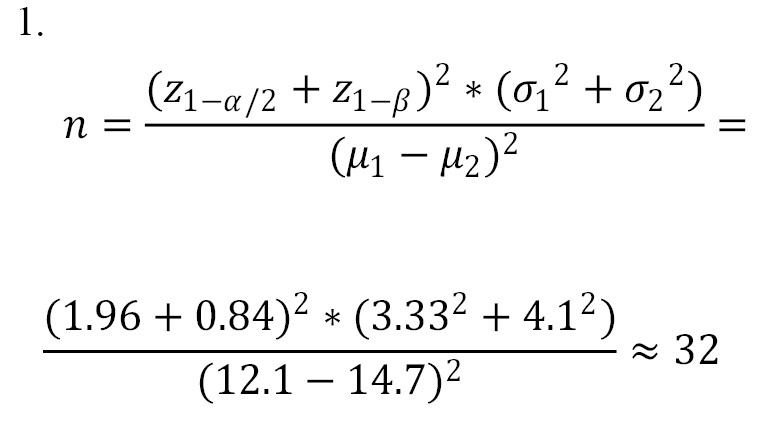
We included adults aged 18-65 years, with definitive diagnosis of HF and dyspnea (functional class 2 and 3) by a cardiologist, patients with a left ventricular ejection fraction (EF) of ≤40% (HF with reduced EF) [22], with no severe and persistent chest pain before the study, no history of myocardial infarction in the past 6-8 weeks, no acute and chronic respiratory infectious diseases such as chronic obstructive pulmonary disease (COPD) and cancer, no neuromuscular and musculoskeletal diseases that cause movement disorders for the patient, no arrhythmia that causes clinical symptoms before the intervention, no use of a wheelchair, no communication problems (hearing, vision, and speech disorders), no cognitive and mental diseases such as dementia and Alzheimer’s, no drug/alcohol use or smoking, and with full consent to participate in the study. The exclusion criteria were complex arrhythmia that causes any clinical symptoms (dyspnea, acute dizziness, cold sweats, etc.) and prevents the patient from continuing to exercise, unwillingness to continue the intervention, severe chest pain during exercise, acute and chronic respiratory infectious diseases such as active COPD during the intervention, absence from more than two training sessions, emergence of new angina or metabolic hemodynamic disorders or life-threatening heart rhythm, fever, musculoskeletal injury, pain during aerobic exercise such as muscle cramps. The sample size was determined to be 32 using the formula below and based on Smart et al.’s study [23]. Considering a 15% dropout rate, 37 samples were considered for each group (Equation 1).
After obtaining permission from Mazandaran University of Medical Sciences and ethical approval from its Research Ethics Committee, the researcher visited Fatemeh Zahra Hospital in Sari, Iran, from October 2023 to September 2024. After providing important explanations about the study methods and its duration and mentioning the confidentiality of personal information to the patients with HF hospitalized in the cardiac care units of the hospital and their companions, and obtaining written and informed consent from the patients, 74 eligible patients were selected using the convenience sampling method and then randomly divided into two groups of 37, including intervention and control. Using permuted Block Randomization method (18 blocks of 4, each block containing 2 individuals from each group). We prepared 74 envelopes with the letters A (for the intervention group) and B (for the control group) placed inside them. The envelopes were opened in the order of the numbers marked on them until 74 patients were enrolled. The data were then collected using a demographic/medical form (surveying age, gender, marital status, place of residence, history of underlying diseases, left ventricular EF, history and type of medications used, education level, body mass index, and duration of illness), modified Medical Research Council (mMRC) dyspnea scale, and the 6MWT.
The mMRC dyspnea scale assessed dyspnea severity. This scale was adapted from the original MRC scale developed in 1952 by Fletcher et al. [24]. The mMRC was developed in 2013 by Jones et al. [25]. The MRC scale is rated from 1 to 5, while the mMRC scale is rated from 0 (no dyspnea during vigorous activity/exercise) to 4 (dyspnea at rest), but they do not differ in terms of descriptive statements [26]. The nurse read the descriptive statements of the mMRC scale to the patient and then selected the number that best fit the severity of their dyspnea. The questionnaire was completed by the researcher in 30 seconds.
In order to perform the 6MWT according to the American Thorasic Society (ATS) guidelines, patients walked 30 meters on a flat surface in a room for 6 minutes after collecting their demographic and medical information. The corridor was marked every three meters and had start and end points. After the walk test, blood pressure (using F. BOSH sphygmomanometer made in Germany), heart rate, blood oxygen saturation (SpO2; using a pulse oximeter from Beijing Choice Electronic Technology Co., Ltd., China), and dyspnea were assessed. In case of any abnormal symptoms such as unbearable dyspnea, severe chest pain, muscle cramps, severe sweating, limping, pallor, or cyanosis, the test was stopped, and the patient sat on a chair for a short time without stopping the time. After these symptoms resolved, the test was continued. At the end of 6 minutes, the length of the corridor was calculated based on the distance covered, the number of laps, and the remaining area according to the formula in the checklist [27]. The 6MWT was first designed by Balk in 1963 for patients with COPD [28], and used in a study in 1986 to assess exercise tolerance in patients with chronic HF [29].
In the control group, the patients’ severity of dyspnea and the 6MWT scores were assessed after discharge, and they were referred to the rehabilitation clinic of Fatemeh Zahra Hospital. Their information were recorded by a felow physician. The control group only took the medications prescribed by the doctor at home. Then, one month after discharge, they were asked to return to the clinic at the same time as their next visit and during the last rehabilitation session of the intervention group, in order to measure their dyspnea and perform the 6MWT again. The cardiac rehabilitation program was part of the patients’ complementary treatment program and could be postponed for one to six months after the doctor’s prescription. There was no ethical issue for the patients in the control group. After the last rehabilitation session, the cardiac rehabilitation program was recommended for this group and started if they agreed [30].
Patients in the intervention group were referred to the rehabilitation clinic at Fatemeh Zahra Hospital after discharge to start their cardiac rehabilitation program. Before starting the rehabilitation program, they received information about the rehabilitation department, equipment, treatment environment, and how to perform the exercises. They also underwent initial examinations, and their information was recorded. The cardiac rehabilitation intervention was then carried out for one month, 3 sessions per week (a total of 12 sessions). Each session, according to the American College of Sports Medicine (ACSM) guidelines, consisted of three phases: warm-up, rehab, and cool-down. Depending on age and activity tolerance, the warm-up and cool-down phases lasted 5-15 minutes, and the rehab phase lasted 30 minutes. The aerobic exercises involved interval training on a treadmill and stationary bicycle while wearing a hand-held ergometer. During exercises, a portable monitor was connected to the patients’ chests, and they underwent complete cardiopulmonary monitoring; their heart rhythm, heart rate, and respiration were evaluated [31]. Aerobic exercise was done with intensity gradually increasing according to the individual’s tolerance, determined using the Borg rating of perceived exertion (RPE). The Borg RPE is a 15-point scale that expresses the level of effort on a scale of 6 to 20 [32], during which the patients are asked to start walking at an intensity of 13 (somewhat hard) and maintain it at a range of 15 to 16 (very hard) during exercise [33].
Then, the RT program was conducted based on the guidelines of the American Association of Cardiovascular and Pulmonary Rehabilitation (AACVPR) involving dumbbell exercises in 3 sets of 8-12 reps with light weights, weighing 0.5-3 kg, performed within the patient’s range of motion. There was a 2-3 minutes of rest interval. The RT program lasted a total of 10-15 minutes, and finally, a cool-down was performed [32].
The severity of dyspnea and the 6MWT parameters were assessed in two groups before the intervention and after completing the 12 sessions of the rehabilitation program on the last day. Descriptive indicators such as Mean±SD, frequency, and percentage were used to analyze the data. Parametric tests were used for inferential analysis, given sufficient sample sizes. To compare the groups based on independent variables studied, t-tests (for quantitative variables) and chi-square (for qualitative variables) were used. To compare the outcome variables (systolic and diastolic blood pressure, heart rate, SpO2, distance walked in a corridor, and dyspnea severity), the Mann-Whitney U test (for between-group comparison) and the Wilcoxon test (for within-group comparison) were used. Also, to identify the factors affecting the outcome variables and controlling for confounding variables, the generalized estimating equations (GEE) method was used. SPSS software, version 22 was used for statistical analyses, and the significance level was P<0.05.
Results
The response rate was 100%. Participants were 74 patients with HF in two intervention groups (n=37) and control groups (n=37). Most of them were male (67.6% in the intervention group and 62.2% in the control group). The two groups were homogeneous in terms of demographic and medical characteristics, and no statistically significant difference was observed between them (P>0.05) except for two variables: duration of HF diagnosis (P=0.043) and history of smoking (P=0.024) (Table 1), which were considered confounding variables.
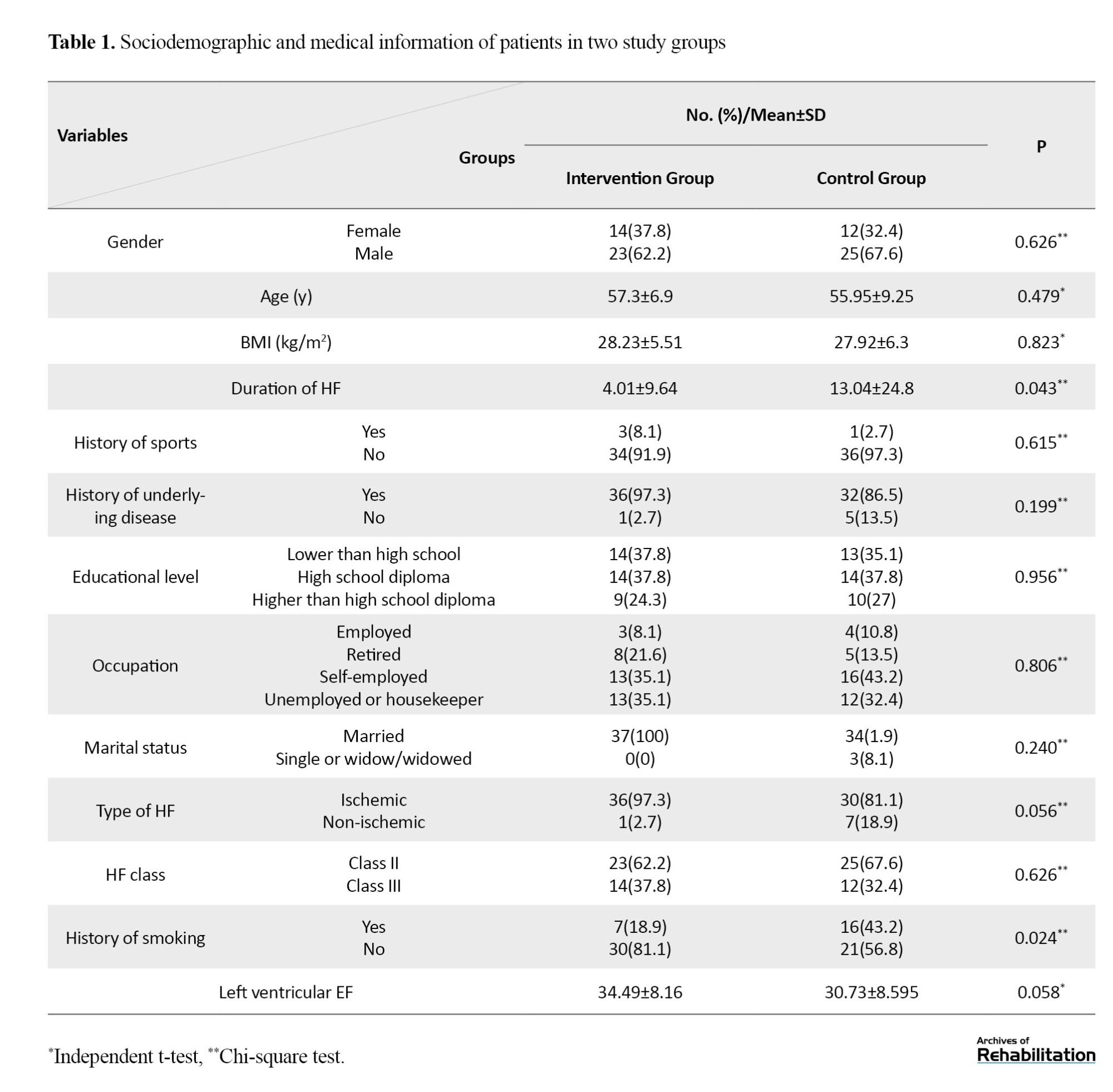
Table 2 provides systolic and diastolic blood pressures, heart rate, SpO2, and distance walked in the corridor (6MWT parameters) before and after intervention for each group as well as the results of the Wilcoxon test and the Mann-Whitney test, including effect sizes.
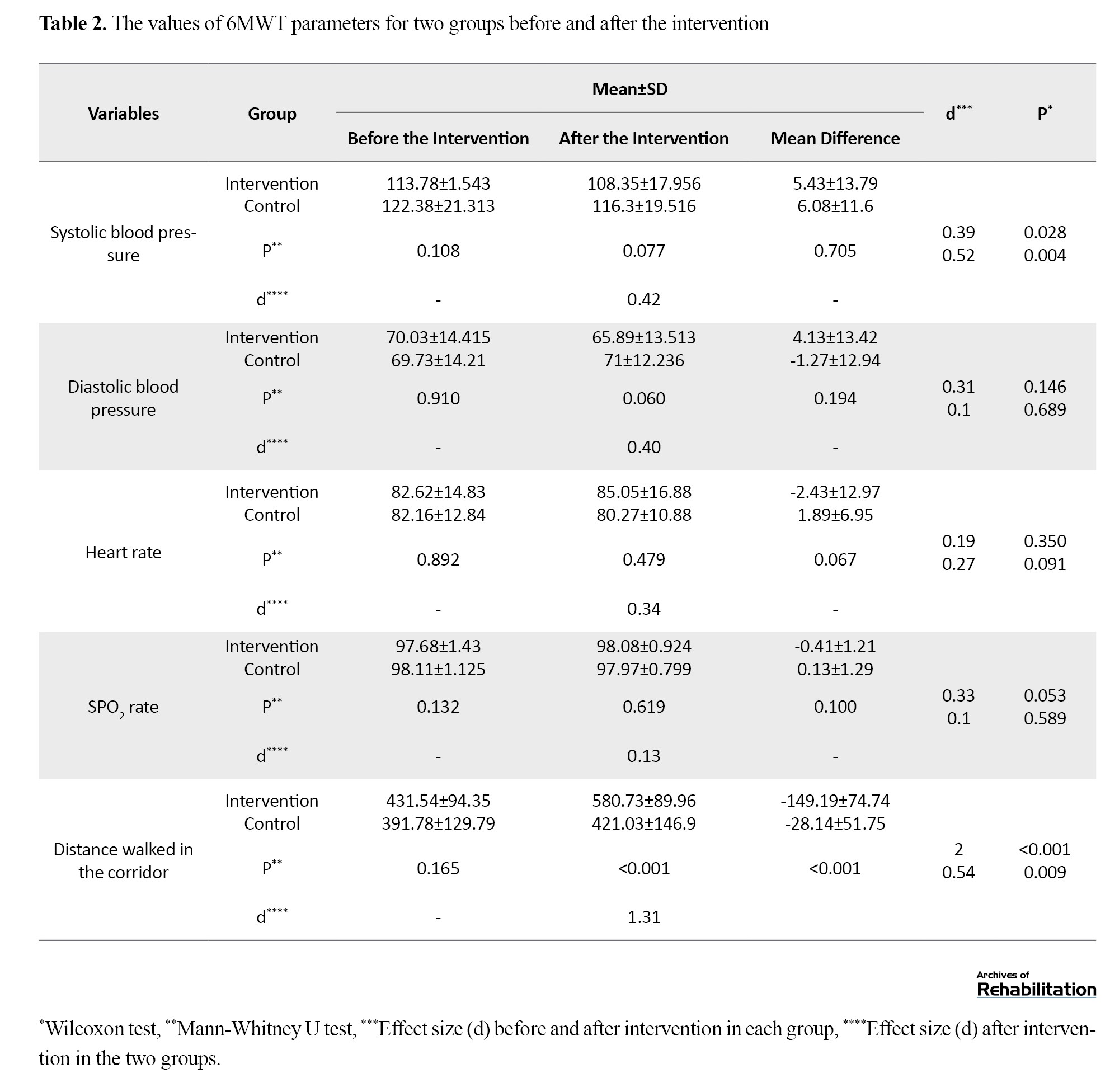
Table 3 presents results of comparing dyspnea severity before and after the intervention within each group (Wilcoxon test) and between groups (Mann-Whitney U test).
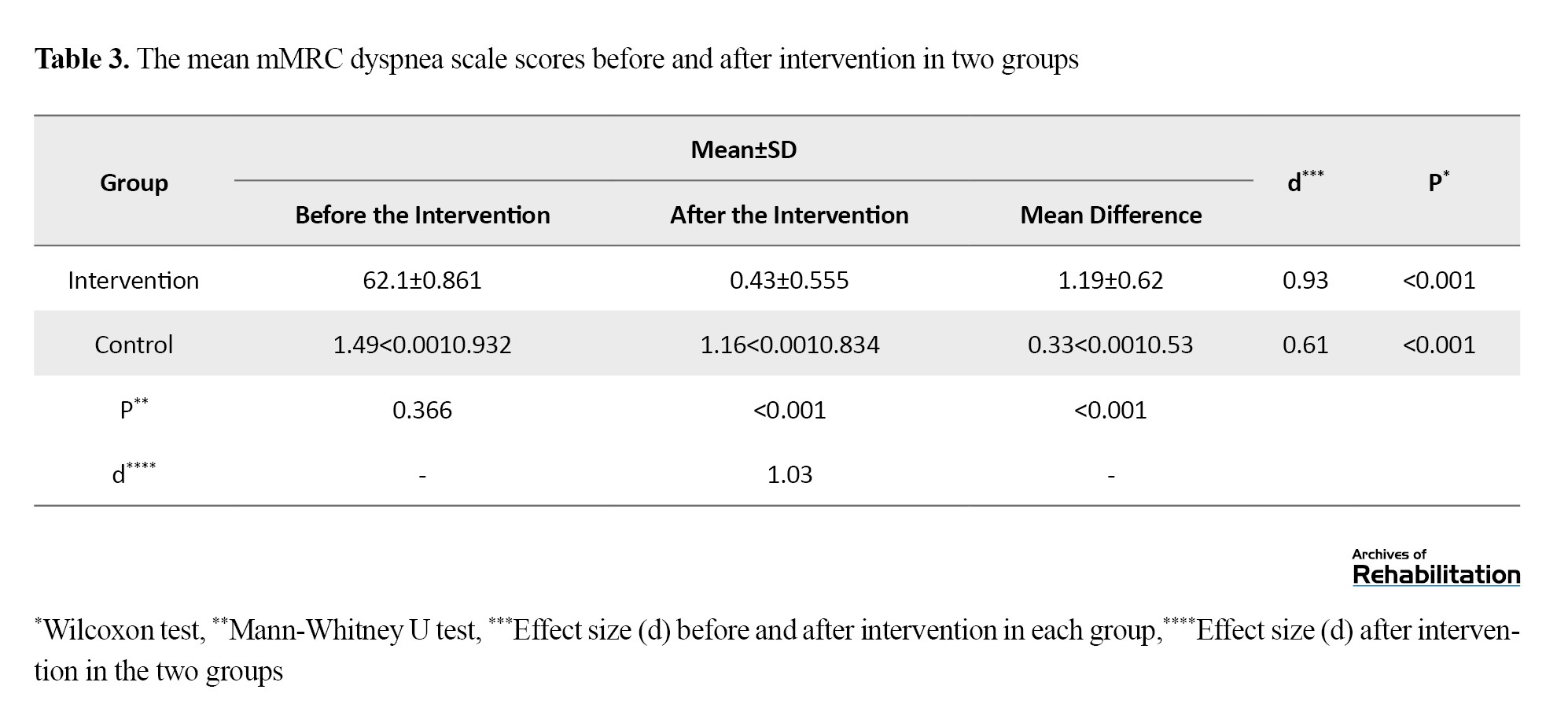
The effect size was reported as 1.93 (good) in the intervention group and 0.61 (moderate) in the control group. We examined two variables, HF duration and smoking history, as confounders using the GEE method (Table 4).
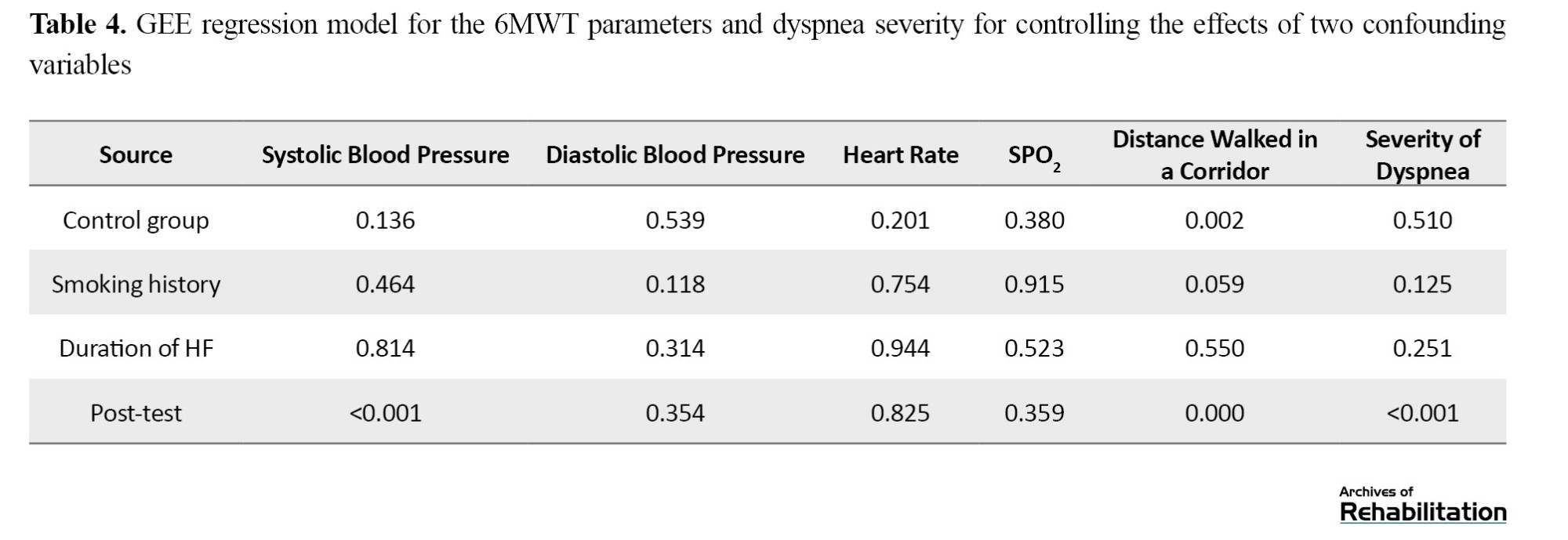
In the GEE regression model, the intervention group, people with no history of smoking, and the pre-intervention phase were considered as references. After controlling for the effects of smoking history and duration of HF and comparing the P-values after the intervention, there was still no significance in any variables, indicating that these two variables are not considered confounders.
Discussion
The goal of this study was to investigate the impact of a cardiac rehabilitation program on the severity of dyspnea and the 6MWT scores of patients with HF. The results showed that the effect of the intervention on the severity of dyspnea and the distance covered during the 6MWT after one month of intervention was significant in both groups. In the control group, prescribed medications and diet education may have contributed to improvement, while in the intervention group, a supplementary exercise program led to a greater reduction in dyspnea severity.
The mean systolic blood pressure of patients decreased in both intervention and control groups, significantly after one month of intervention. These results are consistent with the findings of similar studies that indicate the effect of resistance and aerobic exercises on reducing blood pressure [35]. Walking has also been reported to reduce blood pressure, although in some studies, the reduction was significant only after 8 weeks of exercise program or with a higher number of sessions [36, 37]. In a study, one 20-minute session of mindful breathing to exercise produced a greater reduction in systolic blood pressure [38]. In our study, a significant reduction in systolic blood pressure was observed in both intervention and control groups, but it was greater in the control group. This difference may be due to better adherence to diet, regular medication use, and greater adherence to treatment in the control group. Other studies have also shown the effectiveness of cardiac rehabilitation in controlling blood pressure in patients with HF [39].
The diastolic blood pressure was another indicator examined in the 6MWT. After one month of intervention, a significant decrease in diastolic blood pressure was observed in the intervention group, while it increased in the control group. These results are consistent with a study showing that resistance and aerobic exercises reduce blood pressure [35], while another study found that mean blood pressure increased with more sessions [36]. Also, adding a 20-minute mindful breathing session improved the mean diastolic blood pressure [38]. In a similar study, increasing the intervention duration led to greater improvement in mean diastolic blood pressure [40].
In the present study, heart rate did not differ significantly between the intervention and control groups after one month of intervention. Heart rate increased in the intervention group and decreased in the control group, but the difference between pre- and post-intervention rates was not significant in either group. In a similar study, after 4 weeks of a combined exercise program, a greater improvement in heart rate was achieved [35]. Another study also achieved better mean heart rate results by increasing the intervention duration [37]. In another study, after 12 weeks of the combined program, the mean heart rate increased from 7.76 to 6.72 [39]. In a similar study, more sessions per week with shorter duration and intense interval training led to a significant decrease in heart rate in patients with HF [41].
There was no statistically significant difference in the SpO2 rate between the intervention and control groups or between the pre- and post-intervention rates in any group. In a similar study, combined exercise training did not produce statistically significant changes in SpO2 after the intervention. The study suggested that a longer intervention period is needed to achieve an increase in peak oxygen uptake (VO2) [35]. In another study, peak VO2 after exercise training increased with longer intervention duration [39]. Also, in a review study, despite differences in exercise training type compared with our study, the intervention group showed statistically significant changes in peak VO2 compared with the control group [42]. In another review study, exercise improved cardiorespiratory function capacity of elderly patients [43]. By adding a 20-minute mindful breathing session along with exercise in HF patients, statistically significant changes in their SpO2 can be obtained [38]. In our study, although SpO2 change was not statistically significant, better results were achieved in the intervention group, and the rehabilitation program can be recommended to HF patients.
In the present study, the distance walked in a corridor during the 6MWT differed significantly between the intervention and control groups, and between pre- and post-intervention within each group. In other studies on the effect of a cardiac rehabilitation program on cardiovascular risk factors in patients with chronic HF [37] and the effect of aerobic exercises on the functional tolerance of patients with decompensated HF [44], a statistically significant difference in the walking distance was also observed between the intervention and control groups. Their findings showed that the ACSM protocol-based training is a standard exercise for patients with decompensated HF and is recommended for all eligible patients. In another study, along with combined aerobic/resistance exercises, non-invasive ventilation using a continuous positive airway pressure mask was performed for 30 minutes, and a statistically significant difference was observed between the two groups [18]. In our study, the effect size was 2 (large) in the intervention group and 0.54 (moderate) in the control group, indicating the greater effect of combined aerobic/resistance exercise. In another study, adding IMT increased distance walked, and the intervention and control groups showed a statistically significant difference [39]. In a study on the elderly, after performing exercise training on a treadmill while wearing a bicycle ergometer, there were also statistically significant changes [45], but the distance walked was lower than that in our study, despite the lower number of sessions in our study. In a review study of clinical trials, it was reported that exercise training durations varied between 4 weeks and 6 months, and a statistically significant difference was observed in the 6MWT variable [46]. It seems that performing exercise training for 4 weeks is sufficient for improving this variable.
In this study, the mMRC scale was used to assess the severity of dyspnea, and a statistically significant difference was observed between the two groups. In two review studies, the Borg RPE was reported to assess the severity of dyspnea, and the combined exercise training improved it [37, 39]. In the present study, with a shorter intervention duration and a difference in the type of scale used, similar results were obtained. In a study, the severity of dyspnea was assessed by the Edmonton symptom assessment system (ESAS) scale, and it was shown that dyspnea improved in the intervention group that received a 20-minute mindful breathing session along with exercise training, compared to the control group [38]. The ESAS scale is not specific for measuring dyspnea severity in patients with HF. The mMRC scale considers all aspects of the functional capacity of these patients. In a similar study, a statistically significant difference was observed in the severity of dyspnea assessed with the mMRC scale after 6 weeks of IMT, with greater improvement shown in the control group [47]. In the present study, the mean difference in the mMRC scale score before and after the intervention was greater in the intervention group, indicating that combined aerobic/resistance training is more effective. In a similar study, after 4 weeks of high-intensity and sham IMT, the percentage of change in the respiratory scale score was greater in the high-intensity group, and the difference was statistically significant [48]. In the present study, we found a greater increase in the dyspnea scale score. Therefore, the exercise program used in our study seems more appropriate for HF patients.
In this study, despite the necessary education given to patients in both groups after discharge from the hospital regarding lifestyle, medication use, and disease control, cardiac rehabilitation was initiated for them, the researcher was unable to ensure that patients were consistent in taking medications at home, following a diet, and exercising regularly, which could have affected the findings of the study in terms of the effectiveness of the intervention. This study only included patients with classes II and III of HF. Therefore, future studies should also examine the effect of the cardiac rehabilitation program on patients with HF classes I and IV to determine the effectiveness of this intervention across different levels of disease severity. Given the limited duration of the intervention, other studies should evaluate the effects of cardiac rehabilitation programs over a longer period to better assess the stability and durability of the functional and clinical results. Also, future studies should use a larger sample size and be conducted in multiple centers to increase the generalizability of the results. Given the positive impact of the rehabilitation program in reducing dyspnea severity and improving functional capacity, this program should be considered part of standard care for patients with HF.
Conclusion
The combined aerobic/resistance exercise program can reduce dyspnea severity and improve distance covered during the 6MWT in patients with HF after discharge. Therefore, these exercises are recommended as complementary post-discharge treatment alongside medication therapy.
Ethical Considerations
Compliance with ethical guidelines
This study received ethical approval from the Ethics Committee of Mazandaran University of Medical Sciences, Iran (Code: IR.MAZUMS.REC.1402.386) and was registered by the Mazandaran University of Medical Sciences(ID: IRCT20110906007494N44). The study objectives were explained to participants, and they were assured that their information would remain confidential, that participation was voluntary, and that they could withdraw from the study at any time. Informed consent was obtained from all participants.
Funding
This article was extracted from the master's thesis of Zahra Alizadeh Saravi, funded by Mazandaran University of Medical Sciences, Sari, Iran.
Authors' contributions
Conceptualization: Masoumeh Bagheri Nesami, Zahra Madani, and Maryam Ranjbar; Methodology: Zahra Madani and Maryam Ranjbar; Validation and data analysis: Masoumeh Bagheri Nesami and Abolfazl Hossein Netaj; Investigation: Masoumeh Bagheri Nesami and Zahra Alizadeh Saravi; Resources and initial draft preparation: Zahra Alizadeh Saravi; Review and editing: Masoumeh Bagheri Nesami, Maryam Ranjbar, Abolfazl Hossein Netaj and Zahra Alizadeh Saravi; Visualization, supervision, and project administration: Masoumeh Bagheri Nesami.
Conflict of interest
The authors declare no conflicts of interest
Statement on the use of AI tools
No AI tools were used for the preparation of this article.
Acknowledgments
The authors would like to thank the Vice-Chancellor for Research and Technology of Mazandaran University of Medical Sciences, the head CCU nurses at Fatemeh Zahra Hospital in Sari City, the rehabilitation clinic staff, and the patients and their families for their cooperation and time in this study.
Heart failure (HF) is one of the most common cardiovascular disorders, which is considered a chronic, progressive, and debilitating disorder. This disease is associated with physical limitations, poor quality of life (QoL), severe decline in various dimensions of QoL, frequent hospitalization, and a difficult life for patients [1]. HF is a complex clinical syndrome caused by structural or functional impairment of the left ventricle that results in inadequate cardiac output and the heart’s inability to meet the body’s needs. Despite the progress in the treatment and prevention of this disease, it is one of the leading causes of death worldwide [2]. In 2017, HF affected at least 26 million people worldwide, and this number continues to grow [3]. In a 2022 study, it was estimated that 64.3 million people worldwide are living with heart problems, and their prevalence in developed countries is known to be 1-2% among the adult population [4]. In Iran, cardiovascular diseases have a burden of 20-23% [5]. In terms of mortality, a study has shown that the one-year mortality rate due to HF in Iran was about 32%, which is close to the rate in other countries. This disease is also closely related to aging, diabetes, high blood pressure, atrial fibrillation, and chronic kidney and lung diseases [6, 7]. Dyspnea and fatigue are debilitating symptoms in patients with HF [8]. Patients with chronic HF also have a significantly reduced vital capacity and exercise tolerance compared to healthy individuals [9]. Dyspnea is an important symptom of HF, with studies estimating the prevalence of severe dyspnea at 69%.
The 6-minute walk test (6MWT) is a diagnostic test used to assess exercise tolerance and vital capacity in HF patients and is performed clinically to evaluate the effectiveness of interventions [10]. Patients with HF often have functional limitations and their maximal oxygen uptake is clearly impaired, which leads to a reduction in the amount of activities such as the 6MWT before any intervention [11]. Many therapeutic options can reduce dyspnea and improve 6MWT scores in heart patients, including patient education and appropriate dietary therapy to increase cardiac contractility and prevent worsening of the patient’s condition [12]. Exercise is one of the most effective non-pharmacological methods influencing cells and body organs. Numerous studies have shown that exercise induces favorable physiological adaptations and reduces the severity of dyspnea, and subsequently improves the QoL in patients with cardiovascular diseases [13]. However, there is still a need to understand which components of exercise (frequency, intensity, duration, type, or their combination) are most effective in improving cardiovascular adaptation to exercise and reducing symptoms such as dyspnea.
In a study, different forms of exercise, including inspiratory muscle training (IMT) or breathing exercises, resistance training (RT), and aerobic exercises, were used in patients with cardiac problems, and their effectiveness in improving symptoms, including shortness of breath, was evaluated [14]. In a review study, IMT six times a week for 12 weeks was reported as a suitable method for increasing functional capacity and reducing dyspnea in patients with chronic HF [15]. In a clinical trial, the effect of 8-week IMT on dyspnea severity in patients with chronic HF for 1-2 months was evaluated, and its positive effects was reported [16]. A review also showed that IMT improves dyspnea, functional capacity, and 6MWT scores in patients with chronic HF [17]. Some studies have also shown that the combination of RT and aerobic training (for 10 weeks) has a long-term positive effect on the cardiovascular system by reducing dyspnea and the 6MWT scores [18, 19]. A study on HF patients, which examined both moderate continuous aerobic training and high-intensity interval aerobic training, showed that the best exercise program for these patients has not yet been found [20].
The ultimate goal of cardiac rehabilitation is to restore and maintain the optimal psychological, physiological, and social status of the patients. As a care plan for preventing complications of heart disease, it is considered a very effective treatment method in most developed countries, but it has received less attention in Iran [21]. Therefore, this study aimed to find out the effect of a cardiac rehabilitation program on the severity of dyspnea and the 6MWT parameters of HF patients. The type of exercise and study variables are different from other studies, and a minimum follow-up of 12 sessions was considered according to the cardiac rehabilitation protocol. It is expected that this study will take an effective step towards redusing dyspnea severity and the 6-minute walk ability of HF patients and ultimately increasing their life satisfaction and QoL.
Materials and Methods
This is a randomized controlled trial (RCT)
We included adults aged 18-65 years, with definitive diagnosis of HF and dyspnea (functional class 2 and 3) by a cardiologist, patients with a left ventricular ejection fraction (EF) of ≤40% (HF with reduced EF) [22], with no severe and persistent chest pain before the study, no history of myocardial infarction in the past 6-8 weeks, no acute and chronic respiratory infectious diseases such as chronic obstructive pulmonary disease (COPD) and cancer, no neuromuscular and musculoskeletal diseases that cause movement disorders for the patient, no arrhythmia that causes clinical symptoms before the intervention, no use of a wheelchair, no communication problems (hearing, vision, and speech disorders), no cognitive and mental diseases such as dementia and Alzheimer’s, no drug/alcohol use or smoking, and with full consent to participate in the study. The exclusion criteria were complex arrhythmia that causes any clinical symptoms (dyspnea, acute dizziness, cold sweats, etc.) and prevents the patient from continuing to exercise, unwillingness to continue the intervention, severe chest pain during exercise, acute and chronic respiratory infectious diseases such as active COPD during the intervention, absence from more than two training sessions, emergence of new angina or metabolic hemodynamic disorders or life-threatening heart rhythm, fever, musculoskeletal injury, pain during aerobic exercise such as muscle cramps. The sample size was determined to be 32 using the formula below and based on Smart et al.’s study [23]. Considering a 15% dropout rate, 37 samples were considered for each group (Equation 1).
After obtaining permission from Mazandaran University of Medical Sciences and ethical approval from its Research Ethics Committee, the researcher visited Fatemeh Zahra Hospital in Sari, Iran, from October 2023 to September 2024. After providing important explanations about the study methods and its duration and mentioning the confidentiality of personal information to the patients with HF hospitalized in the cardiac care units of the hospital and their companions, and obtaining written and informed consent from the patients, 74 eligible patients were selected using the convenience sampling method and then randomly divided into two groups of 37, including intervention and control. Using permuted Block Randomization method (18 blocks of 4, each block containing 2 individuals from each group). We prepared 74 envelopes with the letters A (for the intervention group) and B (for the control group) placed inside them. The envelopes were opened in the order of the numbers marked on them until 74 patients were enrolled. The data were then collected using a demographic/medical form (surveying age, gender, marital status, place of residence, history of underlying diseases, left ventricular EF, history and type of medications used, education level, body mass index, and duration of illness), modified Medical Research Council (mMRC) dyspnea scale, and the 6MWT.
The mMRC dyspnea scale assessed dyspnea severity. This scale was adapted from the original MRC scale developed in 1952 by Fletcher et al. [24]. The mMRC was developed in 2013 by Jones et al. [25]. The MRC scale is rated from 1 to 5, while the mMRC scale is rated from 0 (no dyspnea during vigorous activity/exercise) to 4 (dyspnea at rest), but they do not differ in terms of descriptive statements [26]. The nurse read the descriptive statements of the mMRC scale to the patient and then selected the number that best fit the severity of their dyspnea. The questionnaire was completed by the researcher in 30 seconds.
In order to perform the 6MWT according to the American Thorasic Society (ATS) guidelines, patients walked 30 meters on a flat surface in a room for 6 minutes after collecting their demographic and medical information. The corridor was marked every three meters and had start and end points. After the walk test, blood pressure (using F. BOSH sphygmomanometer made in Germany), heart rate, blood oxygen saturation (SpO2; using a pulse oximeter from Beijing Choice Electronic Technology Co., Ltd., China), and dyspnea were assessed. In case of any abnormal symptoms such as unbearable dyspnea, severe chest pain, muscle cramps, severe sweating, limping, pallor, or cyanosis, the test was stopped, and the patient sat on a chair for a short time without stopping the time. After these symptoms resolved, the test was continued. At the end of 6 minutes, the length of the corridor was calculated based on the distance covered, the number of laps, and the remaining area according to the formula in the checklist [27]. The 6MWT was first designed by Balk in 1963 for patients with COPD [28], and used in a study in 1986 to assess exercise tolerance in patients with chronic HF [29].
In the control group, the patients’ severity of dyspnea and the 6MWT scores were assessed after discharge, and they were referred to the rehabilitation clinic of Fatemeh Zahra Hospital. Their information were recorded by a felow physician. The control group only took the medications prescribed by the doctor at home. Then, one month after discharge, they were asked to return to the clinic at the same time as their next visit and during the last rehabilitation session of the intervention group, in order to measure their dyspnea and perform the 6MWT again. The cardiac rehabilitation program was part of the patients’ complementary treatment program and could be postponed for one to six months after the doctor’s prescription. There was no ethical issue for the patients in the control group. After the last rehabilitation session, the cardiac rehabilitation program was recommended for this group and started if they agreed [30].
Patients in the intervention group were referred to the rehabilitation clinic at Fatemeh Zahra Hospital after discharge to start their cardiac rehabilitation program. Before starting the rehabilitation program, they received information about the rehabilitation department, equipment, treatment environment, and how to perform the exercises. They also underwent initial examinations, and their information was recorded. The cardiac rehabilitation intervention was then carried out for one month, 3 sessions per week (a total of 12 sessions). Each session, according to the American College of Sports Medicine (ACSM) guidelines, consisted of three phases: warm-up, rehab, and cool-down. Depending on age and activity tolerance, the warm-up and cool-down phases lasted 5-15 minutes, and the rehab phase lasted 30 minutes. The aerobic exercises involved interval training on a treadmill and stationary bicycle while wearing a hand-held ergometer. During exercises, a portable monitor was connected to the patients’ chests, and they underwent complete cardiopulmonary monitoring; their heart rhythm, heart rate, and respiration were evaluated [31]. Aerobic exercise was done with intensity gradually increasing according to the individual’s tolerance, determined using the Borg rating of perceived exertion (RPE). The Borg RPE is a 15-point scale that expresses the level of effort on a scale of 6 to 20 [32], during which the patients are asked to start walking at an intensity of 13 (somewhat hard) and maintain it at a range of 15 to 16 (very hard) during exercise [33].
Then, the RT program was conducted based on the guidelines of the American Association of Cardiovascular and Pulmonary Rehabilitation (AACVPR) involving dumbbell exercises in 3 sets of 8-12 reps with light weights, weighing 0.5-3 kg, performed within the patient’s range of motion. There was a 2-3 minutes of rest interval. The RT program lasted a total of 10-15 minutes, and finally, a cool-down was performed [32].
The severity of dyspnea and the 6MWT parameters were assessed in two groups before the intervention and after completing the 12 sessions of the rehabilitation program on the last day. Descriptive indicators such as Mean±SD, frequency, and percentage were used to analyze the data. Parametric tests were used for inferential analysis, given sufficient sample sizes. To compare the groups based on independent variables studied, t-tests (for quantitative variables) and chi-square (for qualitative variables) were used. To compare the outcome variables (systolic and diastolic blood pressure, heart rate, SpO2, distance walked in a corridor, and dyspnea severity), the Mann-Whitney U test (for between-group comparison) and the Wilcoxon test (for within-group comparison) were used. Also, to identify the factors affecting the outcome variables and controlling for confounding variables, the generalized estimating equations (GEE) method was used. SPSS software, version 22 was used for statistical analyses, and the significance level was P<0.05.
Results
The response rate was 100%. Participants were 74 patients with HF in two intervention groups (n=37) and control groups (n=37). Most of them were male (67.6% in the intervention group and 62.2% in the control group). The two groups were homogeneous in terms of demographic and medical characteristics, and no statistically significant difference was observed between them (P>0.05) except for two variables: duration of HF diagnosis (P=0.043) and history of smoking (P=0.024) (Table 1), which were considered confounding variables.
Table 2 provides systolic and diastolic blood pressures, heart rate, SpO2, and distance walked in the corridor (6MWT parameters) before and after intervention for each group as well as the results of the Wilcoxon test and the Mann-Whitney test, including effect sizes.
Table 3 presents results of comparing dyspnea severity before and after the intervention within each group (Wilcoxon test) and between groups (Mann-Whitney U test).
The effect size was reported as 1.93 (good) in the intervention group and 0.61 (moderate) in the control group. We examined two variables, HF duration and smoking history, as confounders using the GEE method (Table 4).
In the GEE regression model, the intervention group, people with no history of smoking, and the pre-intervention phase were considered as references. After controlling for the effects of smoking history and duration of HF and comparing the P-values after the intervention, there was still no significance in any variables, indicating that these two variables are not considered confounders.
Discussion
The goal of this study was to investigate the impact of a cardiac rehabilitation program on the severity of dyspnea and the 6MWT scores of patients with HF. The results showed that the effect of the intervention on the severity of dyspnea and the distance covered during the 6MWT after one month of intervention was significant in both groups. In the control group, prescribed medications and diet education may have contributed to improvement, while in the intervention group, a supplementary exercise program led to a greater reduction in dyspnea severity.
The mean systolic blood pressure of patients decreased in both intervention and control groups, significantly after one month of intervention. These results are consistent with the findings of similar studies that indicate the effect of resistance and aerobic exercises on reducing blood pressure [35]. Walking has also been reported to reduce blood pressure, although in some studies, the reduction was significant only after 8 weeks of exercise program or with a higher number of sessions [36, 37]. In a study, one 20-minute session of mindful breathing to exercise produced a greater reduction in systolic blood pressure [38]. In our study, a significant reduction in systolic blood pressure was observed in both intervention and control groups, but it was greater in the control group. This difference may be due to better adherence to diet, regular medication use, and greater adherence to treatment in the control group. Other studies have also shown the effectiveness of cardiac rehabilitation in controlling blood pressure in patients with HF [39].
The diastolic blood pressure was another indicator examined in the 6MWT. After one month of intervention, a significant decrease in diastolic blood pressure was observed in the intervention group, while it increased in the control group. These results are consistent with a study showing that resistance and aerobic exercises reduce blood pressure [35], while another study found that mean blood pressure increased with more sessions [36]. Also, adding a 20-minute mindful breathing session improved the mean diastolic blood pressure [38]. In a similar study, increasing the intervention duration led to greater improvement in mean diastolic blood pressure [40].
In the present study, heart rate did not differ significantly between the intervention and control groups after one month of intervention. Heart rate increased in the intervention group and decreased in the control group, but the difference between pre- and post-intervention rates was not significant in either group. In a similar study, after 4 weeks of a combined exercise program, a greater improvement in heart rate was achieved [35]. Another study also achieved better mean heart rate results by increasing the intervention duration [37]. In another study, after 12 weeks of the combined program, the mean heart rate increased from 7.76 to 6.72 [39]. In a similar study, more sessions per week with shorter duration and intense interval training led to a significant decrease in heart rate in patients with HF [41].
There was no statistically significant difference in the SpO2 rate between the intervention and control groups or between the pre- and post-intervention rates in any group. In a similar study, combined exercise training did not produce statistically significant changes in SpO2 after the intervention. The study suggested that a longer intervention period is needed to achieve an increase in peak oxygen uptake (VO2) [35]. In another study, peak VO2 after exercise training increased with longer intervention duration [39]. Also, in a review study, despite differences in exercise training type compared with our study, the intervention group showed statistically significant changes in peak VO2 compared with the control group [42]. In another review study, exercise improved cardiorespiratory function capacity of elderly patients [43]. By adding a 20-minute mindful breathing session along with exercise in HF patients, statistically significant changes in their SpO2 can be obtained [38]. In our study, although SpO2 change was not statistically significant, better results were achieved in the intervention group, and the rehabilitation program can be recommended to HF patients.
In the present study, the distance walked in a corridor during the 6MWT differed significantly between the intervention and control groups, and between pre- and post-intervention within each group. In other studies on the effect of a cardiac rehabilitation program on cardiovascular risk factors in patients with chronic HF [37] and the effect of aerobic exercises on the functional tolerance of patients with decompensated HF [44], a statistically significant difference in the walking distance was also observed between the intervention and control groups. Their findings showed that the ACSM protocol-based training is a standard exercise for patients with decompensated HF and is recommended for all eligible patients. In another study, along with combined aerobic/resistance exercises, non-invasive ventilation using a continuous positive airway pressure mask was performed for 30 minutes, and a statistically significant difference was observed between the two groups [18]. In our study, the effect size was 2 (large) in the intervention group and 0.54 (moderate) in the control group, indicating the greater effect of combined aerobic/resistance exercise. In another study, adding IMT increased distance walked, and the intervention and control groups showed a statistically significant difference [39]. In a study on the elderly, after performing exercise training on a treadmill while wearing a bicycle ergometer, there were also statistically significant changes [45], but the distance walked was lower than that in our study, despite the lower number of sessions in our study. In a review study of clinical trials, it was reported that exercise training durations varied between 4 weeks and 6 months, and a statistically significant difference was observed in the 6MWT variable [46]. It seems that performing exercise training for 4 weeks is sufficient for improving this variable.
In this study, the mMRC scale was used to assess the severity of dyspnea, and a statistically significant difference was observed between the two groups. In two review studies, the Borg RPE was reported to assess the severity of dyspnea, and the combined exercise training improved it [37, 39]. In the present study, with a shorter intervention duration and a difference in the type of scale used, similar results were obtained. In a study, the severity of dyspnea was assessed by the Edmonton symptom assessment system (ESAS) scale, and it was shown that dyspnea improved in the intervention group that received a 20-minute mindful breathing session along with exercise training, compared to the control group [38]. The ESAS scale is not specific for measuring dyspnea severity in patients with HF. The mMRC scale considers all aspects of the functional capacity of these patients. In a similar study, a statistically significant difference was observed in the severity of dyspnea assessed with the mMRC scale after 6 weeks of IMT, with greater improvement shown in the control group [47]. In the present study, the mean difference in the mMRC scale score before and after the intervention was greater in the intervention group, indicating that combined aerobic/resistance training is more effective. In a similar study, after 4 weeks of high-intensity and sham IMT, the percentage of change in the respiratory scale score was greater in the high-intensity group, and the difference was statistically significant [48]. In the present study, we found a greater increase in the dyspnea scale score. Therefore, the exercise program used in our study seems more appropriate for HF patients.
In this study, despite the necessary education given to patients in both groups after discharge from the hospital regarding lifestyle, medication use, and disease control, cardiac rehabilitation was initiated for them, the researcher was unable to ensure that patients were consistent in taking medications at home, following a diet, and exercising regularly, which could have affected the findings of the study in terms of the effectiveness of the intervention. This study only included patients with classes II and III of HF. Therefore, future studies should also examine the effect of the cardiac rehabilitation program on patients with HF classes I and IV to determine the effectiveness of this intervention across different levels of disease severity. Given the limited duration of the intervention, other studies should evaluate the effects of cardiac rehabilitation programs over a longer period to better assess the stability and durability of the functional and clinical results. Also, future studies should use a larger sample size and be conducted in multiple centers to increase the generalizability of the results. Given the positive impact of the rehabilitation program in reducing dyspnea severity and improving functional capacity, this program should be considered part of standard care for patients with HF.
Conclusion
The combined aerobic/resistance exercise program can reduce dyspnea severity and improve distance covered during the 6MWT in patients with HF after discharge. Therefore, these exercises are recommended as complementary post-discharge treatment alongside medication therapy.
Ethical Considerations
Compliance with ethical guidelines
This study received ethical approval from the Ethics Committee of Mazandaran University of Medical Sciences, Iran (Code: IR.MAZUMS.REC.1402.386) and was registered by the Mazandaran University of Medical Sciences(ID: IRCT20110906007494N44). The study objectives were explained to participants, and they were assured that their information would remain confidential, that participation was voluntary, and that they could withdraw from the study at any time. Informed consent was obtained from all participants.
Funding
This article was extracted from the master's thesis of Zahra Alizadeh Saravi, funded by Mazandaran University of Medical Sciences, Sari, Iran.
Authors' contributions
Conceptualization: Masoumeh Bagheri Nesami, Zahra Madani, and Maryam Ranjbar; Methodology: Zahra Madani and Maryam Ranjbar; Validation and data analysis: Masoumeh Bagheri Nesami and Abolfazl Hossein Netaj; Investigation: Masoumeh Bagheri Nesami and Zahra Alizadeh Saravi; Resources and initial draft preparation: Zahra Alizadeh Saravi; Review and editing: Masoumeh Bagheri Nesami, Maryam Ranjbar, Abolfazl Hossein Netaj and Zahra Alizadeh Saravi; Visualization, supervision, and project administration: Masoumeh Bagheri Nesami.
Conflict of interest
The authors declare no conflicts of interest
Statement on the use of AI tools
No AI tools were used for the preparation of this article.
Acknowledgments
The authors would like to thank the Vice-Chancellor for Research and Technology of Mazandaran University of Medical Sciences, the head CCU nurses at Fatemeh Zahra Hospital in Sari City, the rehabilitation clinic staff, and the patients and their families for their cooperation and time in this study.
Reference
- Keihani D, Kargarfard M, Mokhtari M. Cardiac effects of exercise rehabilitation on quality of life, depression and anxiety in patients with heart failure patients. Journal of Fundamentals of Mental Health 2014; 17(1):13-9. [Link]
- Hajouli S, Ludhwani D. Heart failure and ejection fraction. In: StatPearls [Internet]. Treasure Island (FL): StatPearls Publishing; 2020. [Link]
- Savarese G, Lund LH. Global Public Health Burden of Heart Failure. Cardiac Failure Review. 2017; 3(1):7-11. [DOI:10.15420/cfr.2016:25:2] [PMID]
- Writing Committee Members; Gulati M, Levy PD, Mukherjee D, Amsterdam E, Bhatt DL, et al. 2021 AHA/ACC/ASE/CHEST/SAEM/SCCT/SCMR Guideline for the Evaluation and Diagnosis of Chest Pain: A Report of the American College of Cardiology/American Heart Association Joint Committee on Clinical Practice Guidelines. Journal of The American College of Cardiology. 2021; 78(22):187-285. [DOI:10.1016/j.jacc.2021.07.053] [PMID]
- Sarrafzadegan N, Mohammmadifard N. Cardiovascular Disease in Iran in the Last 40 Years: Prevalence, Mortality, Morbidity, Challenges and Strategies for Cardiovascular Prevention. Archives of Iranian Medicine. 2019; 22(4):204-10. [PMID]
- Givi M, Shafie D, Nouri F, Garakyaraghi M, Yadegarfar G, Sarrafzadegan N. Survival rate and predictors of mortality in patients hospitalised with heart failure: a cohort study on the data of Persian registry of cardiovascular disease (PROVE). Postgraduate Medical Journal. 2018; 94(1112):318-24. [DOI:10.1136/postgradmedj-2018-135550] [PMID]
- Saki N, Karandish M, Cheraghian B, Heybar H, Hashemi SJ, Azhdari M. Prevalence of cardiovascular diseases and associated factors among adults from southwest Iran: Baseline data from Hoveyzeh Cohort Study. BMC Cardiovasc Disord. 2022; 22(1):309. [DOI:10.1186/s12872-022-02746-y] [PMID]
- Hossein Pour AH, Gholami M, Saki M, Birjandi M. The effect of inspiratory muscle training on fatigue and dyspnea in patients with heart failure: A randomized, controlled trial. Japan Journal of Nursing Science. 2020; 17(2):12290. [DOI:10.1111/jjns.12290] [PMID]
- Oliveira MF, Santos RC, Artz SA, Mendez VMF, Lobo DML, Correia EB, et al. Safety and Efficacy of Aerobic Exercise Training Associated to Non-Invasive Ventilation in Patients with Acute Heart Failure. Arquivos Brasileiros de Cardiologia. 2018; 110(5):467-75. [DOI:10.5935/abc.20180039] [PMID]
- Schubert C, Archer G, Zelis JM, Nordmeyer S, Runte K, Hennemuth A, et al. Wearable devices can predict the outcome of standardized 6-minute walk tests in heart disease. NPJ Digital Medicine. 2020; 3:92. [DOI:10.1038/s41746-020-0299-2] [PMID]
- Moradi M, Mehrdad N, Nikpour S, Haghani H. Quality of Life and Related Factors in Patients with Chronic Heart Failure. Knowledge of Nursing. 2023; 1(2):177-87. [DOI:10.61186/knjournal.1.2.177]
- Malik A, Brito D, Vaqar S, Chhabra L. Congestive heart failure. In: StatPearls [Internet]. Treasure Island (FL): StatPearls Publishing; 2023. [Link]
- Ahmadizad S, Malekyian E, Khani E, Rahmani H. [Exercise and training effects on platelet activation and function: A review article (Persian)]. Sport Physiology. 2019; 11(43):17-38. [DOI:10.22089/spj.2017.4451.1598]
- Gayda M, Ribeiro PA, Juneau M, Nigam A. Comparison of Different Forms of Exercise Training in Patients With Cardiac Disease: Where Does High-Intensity Interval Training Fit? The Canadian Journal of Cardiology. 2016; 32(4):485-94. [DOI:10.1016/j.cjca.2016.01.017] [PMID]
- Sadek Z, Salami A, Joumaa WH, Awada C, Ahmaidi S, Ramadan W. Best mode of inspiratory muscle training in heart failure patients: A systematic review and meta-analysis. European Journal of Preventive Cardiology. 2018; 25(16):1691-701. [DOI:10.1177/2047487318792315] [PMID]
- Yuenyongchaiwat K, Namdang P, Vasinsarunkul P, Phongsukree P, Chaturattanachaiyaporn K, Pairojkittrakul S, et al. Effectiveness of inspiratory muscle training on respiratory fitness and breathlessness in chronic renal failure: A randomized control trial. Physiotherapy Research International. 2021; 26(1):1879. [DOI:10.1002/pri.1879] [PMID]
- Wu J, Kuang L, Fu L. Effects of inspiratory muscle training in chronic heart failure patients: A systematic review and meta-analysis. Congenital Heart Disease. 2018; 13(2):194-202. [DOI:10.1111/chd.12586] [PMID]
- Bittencourt HS, Cruz CG, David BC, Rodrigues E Jr, Abade CM, Junior RA, et al. Addition of non-invasive ventilatory support to combined aerobic and resistance training improves dyspnea and quality of life in heart failure patients: A randomized controlled trial. Clinical Rehabilitation. 2017; 31(11):1508-15. [DOI:10.1177/0269215517704269] [PMID]
- Fini EM, Ahmadizad S. [Effect of Resistance Exercise and Training and Principles of prescribing it for Cardiovascular Patients (Persian)]. Journal of Shahid Sadoughi University of Medical Sciences. 2021 29(8):3955-75. [Link]
- Laoutaris ID. The ‘aerobic/resistance/inspiratory muscle training hypothesis in heart failure’. European Journal of Preventive Cardiology. 2018; 25(12):1257-62. [DOI:10.1177/2047487318776097] [PMID]
- Rofi’ah IA, So’emah EN. Literature review: effectiveness of cardiac rehabilitation in patients with coronary heart disease. International Journal of Nursing and Midwifery Science. 2020; 4(2):122-31. [DOI:10.29082/IJNMS/2020/Vol4/Iss2/296]
- Lilly LS. Braunwald’s heart disease review and assessment. 11th ed. Philadelphia: Elsevier; 2018. [Link]
- Smart NA, Haluska B, Jeffriess L, Leung D. Exercise training in heart failure with preserved systolic function: A randomized controlled trial of the effects on cardiac function and functional capacity. Congestive Heart Failure. 2012; 18(6):295-301. [DOI:10.1111/j.1751-7133.2012.00295.x] [PMID]
- Gilson JC, Oldham PD. Lung function tests in the diagnosis of pulmonary emphysema; The use of discriminant analysis. Proceedings of the Royal Society of Medicine. 1952; 45(9):5584-6. [PMID]
- Jones PW, Adamek L, Nadeau G, Banik N. Comparisons of health status scores with MRC grades in COPD: Implications for the GOLD 2011 classification. The European Respiratory Journa. 2013; 42(3):647-54. [DOI:10.1183/09031936.00125612] [PMID]
- Kasper DL, Fauci AS, Hauser SL, Longo DL, Jameson JL, Loscalzo J. Harrison’s principles of internal medicine. 19th ed. New York: McGraw-Hill Education; 2015. [Link]
- ATS Committee on Proficiency Standards for Clinical Pulmonary Function Laboratories. ATS statement: guidelines for the six-minute walk test. American Journal of Respiratory and Critical Care Medicine. 2002; 166(1):111-7. [DOI:10.1164/ajrccm.166.1.at1102] [PMID]
- Balke B. A simple field test for the assessment of physical fitness. REP 63-6. Civil Aeromedical Research Institute. 1963; 1-8. [PMID]
- Lipkin DP, Scriven AJ, Crake T, Poole-Wilson PA. Six minute walking test for assessing exercise capacity in chronic heart failure. British Medical Journal. 1986; 292(6521):653-5. [DOI:10.1136/bmj.292.6521.653] [PMID]
- Hammill BG, Curtis LH, Schulman KA, Whellan DJ. Relationship between cardiac rehabilitation and long-term risks of death and myocardial infarction among elderly Medicare beneficiaries. Circulation. 2010; 121(1):63-70. [DOI:10.1161/CIRCULATIONAHA.109.876383] [PMID]
- Thompson PD, Arena R, Riebe D, Pescatello LS; American College of Sports Medicine. ACSM’s new preparticipation health screening recommendations from ACSM’s guidelines for exercise testing and prescription, ninth edition. Current Sports Medicine Reports. 2013; 12(4):215-7. [DOI:10.1249/JSR.0b013e31829a68cf] [PMID]
- American Association of Cardiovascular and Pulmonary Rehabilitation. AACVPR cardiac rehabilitation resource manual: Promoting health and preventing disease. Champaign (IL): Human Kinetics; 2006. [Link]
- Scherr J, Wolfarth B, Christle JW, Pressler A, Wagenpfeil S, Halle M. Associations between Borg’s rating of perceived exertion and physiological measures of exercise intensity. European Journal of Applied Physiology. 2013; 113(1):147-55. [DOI:10.1007/s00421-012-2421-x] [PMID]
- Pahor M, Guralnik JM, Ambrosius WT, Blair S, Bonds DE, Church TS, et al. Effect of structured physical activity on prevention of major mobility disability in older adults: The LIFE study randomized clinical trial. JAMA. 2014; 311(23):2387-96. [DOI:10.1001/jama.2014.5616] [PMID]
- Kirsch M, Iliou MC, Vitiello D. Hemodynamic Response to Exercise Training in Heart Failure With Reduced Ejection Fraction Patients. Cardiology Research. 2024; 15(1):18-28. [DOI:10.14740/cr1591] [PMID]
- Carneiro HA, Song RJ, Lee J, Schwartz B, Vasan RS, Xanthakis V. Association of Blood Pressure and Heart Rate Responses to Submaximal Exercise With Incident Heart Failure: The Framingham Heart Study. Journal of The American Heart Association. 2021; 10(7):e019460. [DOI:10.1161/JAHA.120.019460] [PMID]
- Mohammed HG, Shabana AM. Effect of cardiac rehabilitation on cardiovascular risk factors in chronic heart failure patients. The Egyptian Heart Journal. 2018; 70(2):77-82. [DOI:10.1016/j.ehj.2018.02.004] [PMID]
- Ng DL, Chai CS, Tan KL, Chee KH, Tung YZ, Wai SY, et al. The Efficacy of a Single Session of 20-Minute Mindful Breathing in Reducing Dyspnea Among Patients With Acute Decompensated Heart Failure: A Randomized Controlled Trial. The American Journal of Hospice & Palliative Care. 2021; 38(3):246-52. [DOI:10.1177/1049909120934743] [PMID]
- Laoutaris ID, Piotrowicz E, Kallistratos MS, Dritsas A, Dimaki N, Miliopoulos D, et al. Combined aerobic/resistance/inspiratory muscle training as the ‘optimum’ exercise programme for patients with chronic heart failure: ARISTOS-HF randomized clinical trial. European Journal of Preventive Cardiolog. 2021; 28 (15):1626-35. [DOI:10.1093/eurjpc/zwaa091] [PMID]
- Norman J, Fu M, Ekman I, Björck L, Falk K. Effects of a mindfulness-based intervention on symptoms and signs in chronic heart failure: A feasibility study. European Journal of Cardiovascular Nursing. 2018; 17(1):54-65. [DOI:10.1177/1474515117715843] [PMID]
- Besnier F, Labrunée M, Richard L, Faggianelli F, Kerros H, Soukarié L, et al. Short-term effects of a 3-week interval training program on heart rate variability in chronic heart failure. A randomised controlled trial. Annals of Physical and Rehabilitation Medicine. 2019; 62(5):321-8. [DOI:10.1016/j.rehab.2019.06.013] [PMID]
- Li H, Tao L, Huang Y, Li Z, Zhao J. Inspiratory muscle training in patients with heart failure: A systematic review and meta-analysis. Frontiers in Cardiovascular Medicine. 2022; 9:993846. [DOI:10.3389/fcvm.2022.993846] [PMID]
- Crisci G, De Luca M, D’Assante R, Ranieri B, D’Agostino A, Valente V, et al. Effects of Exercise on Heart Failure with Preserved Ejection Fraction: An Updated Review of Literature. Journal of Cardiovascular Development and Disease. 2022; 9(8):241.[DOI:10.3390/jcdd9080241] [PMID]
- Delgado B, Novo A, Lopes I, Rebelo C, Almeida C, Pestana S, et al. The effects of early rehabilitation on functional exercise tolerance in decompensated heart failure patients: Results of a multicenter randomized controlled trial (ERIC-HF study). Clinical Rehabilitation. 2022; 36(6):813-21. [DOI:10.1177/02692155221088684] [PMID]
- Paneroni M, Scalvini S, Corrà U, Lovagnini M, Maestri R, Mazza A, et al. The Impact of Cardiac Rehabilitation on Activities of Daily Life in Elderly Patients With Heart Failure. Frontiers in Physiology. 2022; 12:785501. [DOI:10.3389/fphys.2021.785501] [PMID]
- Edwards JJ, O’Driscoll JM. Exercise Training in Heart failure with Preserved and Reduced Ejection Fraction: A Systematic Review and Meta-Analysis. Sports Medicine - Open. 2022; 8(1):76. [DOI:10.1186/s40798-022-00464-5] [PMID]
- Bosnak-Guclu M, Arikan H, Savci S, Inal-Ince D, Tulumen E, Aytemir K, et al. Effects of inspiratory muscle training in patients with heart failure. Respiratory Medicine. 2011; 105(11):1671-81. [DOI:10.1016/j.rmed.2011.05.001] [PMID]
- Marco E, Ramírez-Sarmiento AL, Coloma A, Sartor M, Comin-Colet J, Vila J, et al. High-intensity vs. sham inspiratory muscle training in patients with chronic heart failure: a prospective randomized trial. European Journal of Heart Failure. 2013; 15(8):892-901.[DOI:10.1093/eurjhf/hft035] [PMID]
Send email to the article author
| Rights and permissions | |
 |
This work is licensed under a Creative Commons Attribution-NonCommercial 4.0 International License. |

Copyright © The Author(s);
This is an open access article distributed under the terms of the Creative Commons Attribution-NonCommercial 4.0 (CC-By-NC 4.0), which permits use, distribution, and reproduction in any medium, provided the original work is properly cited and is not used for commercial purposes.
Contact Information
This is an open access article distributed under the terms of the Creative Commons Attribution-NonCommercial 4.0 (CC-By-NC 4.0), which permits use, distribution, and reproduction in any medium, provided the original work is properly cited and is not used for commercial purposes.
Contact Information