

Volume 27, Issue 3 (9-2026)
Arch Rehabil 2026, 27(3): 472-501 |
Back to browse issues page



Download citation:
BibTeX | RIS | EndNote | Medlars | ProCite | Reference Manager | RefWorks
Send citation to:


BibTeX | RIS | EndNote | Medlars | ProCite | Reference Manager | RefWorks
Send citation to:
Kermani F, Poshtvan M, Doostmohammadi S, Nasiri M R, Mirzahosseini A, Mirshoja M S. Prevalence of Work-related Musculoskeletal Disorders and their Association With Fatigue and Job Satisfaction Among Administrative Employees of Semnan University of Medical Sciences, Iran. , Arch Rehabil. 2026; 27 (3) :472-501
URL: http://rehabilitationj.uswr.ac.ir/article-1-3719-en.html
URL: http://rehabilitationj.uswr.ac.ir/article-1-3719-en.html
Farzaneh Kermani1  , Marzieh Poshtvan2 , Sanaz Doostmohammadi2 , Mohammad Reza Nasiri2 , Amirhossein Mirzahosseini2 , Mina Sadat Mirshoja *3
1- Social Determinants of Health Research Center, Semnan University of Medical Sciences, Semnan, Iran. & Department of Health Information Technology, School of Allied Medical Sciences, Semnan University of Medical Sciences, Semnan, Iran.
2- Student Research Committee, School of Allied Medical Sciences, Semnan University of Medical Sciences, Semnan, Iran
3- Neuromuscular Rehabilitation Research Center, Neuroscience Research Institute, Semnan University of Medical Sciences, Semnan, Iran & Department of Rehabilitation Management, School of Rehabilitation, Semnan University of Medical Sciences, Semnan, Iran. ,msj5831@yahoo.com
2- Student Research Committee, School of Allied Medical Sciences, Semnan University of Medical Sciences, Semnan, Iran
3- Neuromuscular Rehabilitation Research Center, Neuroscience Research Institute, Semnan University of Medical Sciences, Semnan, Iran & Department of Rehabilitation Management, School of Rehabilitation, Semnan University of Medical Sciences, Semnan, Iran. ,
Full-Text [PDF 2914 kb]
(389 Downloads)
| Abstract (HTML) (1221 Views)
Procedure
First, the researcher obtained the necessary approvals from the Ethics Committee for Biomedical Research at SUMS. After identifying eligible participants in each department and coordinating with department managers, the researcher contacted participants by email or phone. During these contacts, the researcher explained the study objectives, information confidentiality, voluntary participation, and the possibility of withdrawal at any stage. After participants provided consent, the researcher scheduled the time and place of the meeting (at the workplace during office hours). During the face-to-face meeting, the researcher reiterated the previous explanations, obtained written informed consent, and distributed the questionnaires. To reduce bias and increase the response rate, two methods for completing the questionnaires were considered: Using printed questionnaires completed by the participants on-site and immediately received by the researcher, or using their electronic version designed on the Google Forms platform and sent via email or SMS to those who preferred to complete it remotely. The average time to complete all questionnaires was 15-20 minutes.
Instruments
We used four questionnaires: a demographic form to collect demographic information (age, gender, educational level, height, weight, job position, work experience, computer/non-computer use hours), the Nordic musculoskeletal questionnaire (NMQ) to assess the prevalence and severity of WMSDs in different body regions, the Minnesota satisfaction questionnaire (MSQ) to measure the level of job satisfaction, and the 20-item multidimensional fatigue inventory (MFI) to assess the level of occupational fatigue.
The NMQ was first introduced by Kuorinka et al. in 1987, and its revised version was introduced in 2009 by Anna P. Dawson. As a standard tool, it screens musculoskeletal symptoms and pains in nine main body parts: neck, shoulder, upper back, lower back, elbow, wrist/hand, hip, knee, foot/ankle. In addition, this tool collects information on the pain intensity and duration. This questionnaire measures the prevalence of symptoms and pains and is not designed to diagnose structural musculoskeletal abnormalities, which require clinical examination and imaging. The reliability of the Persian version of NMQ was confirmed in a previous study [24], which reported a Cronbach’s α of 0.87, indicating its high reliability for the Iranian population
The MFI was designed by Smets et al. in 1995. It consists of 20 items and five subscales (general fatigue, physical fatigue, reduced activity, reduced motivation, and mental fatigue). It measures fatigue based on the individual’s feelings and expressions, thus also considering the subjective and perceptual dimensions of fatigue [25]. This questionnaire was translated into Persian in a previous study [26], which reported a Cronbach’s α of 0.72, indicating the acceptable reliability of this tool for the Iranian population.
The MSQ was developed by Weiss et al. in 1967 to measure job satisfaction, focusing on intrinsic and extrinsic factors. It consists of 19 items and 6 subscales: payment system (3 items), job nature (4 items), opportunities for promotion (3 items), organizational climate (2 items), leadership style (4 items), and physical conditions (3 items). Item scoring is based on a Likert scale from 1 to 5; scores of 19-38 indicate poor job satisfaction, 38-57 indicate moderate job satisfaction, and >57 indicate high job satisfaction. The Persian version of this questionnaire has been validated, having a validity of 0.78 and a Cronbach’s α of 0.82 [27, 28].
Data analysis
All statistical analyses were performed in SPSS software, version 26. Data analysis was conducted at both descriptive and inferential levels. In the descriptive section, quantitative variables were reported using Mean±SD, median, and interquartile range, while qualitative variables were reported using frequency and percentage. In the inferential section, the normality of the data was first examined using the Kolmogorov-Smirnov test. The chi-square test was used to examine differences in categorical variables. Pearson’s correlation was used to examine the correlation between NMQ and MSQ scores, and Spearman’s correlation test was used to examine the correlation between MFI and NMQ scores. The significance level for all tests was set at 0.05.
Results
In this study, 125 employed people with a mean age of 41.18±7.49 years participated. They included 76 females (60.8%) and 49 males (39.2%).
Table 2 shows the demographic characteristics, including gender, marital status, education level, history of smoking, frequency of exercise, perceived stress level, and sleeping position.
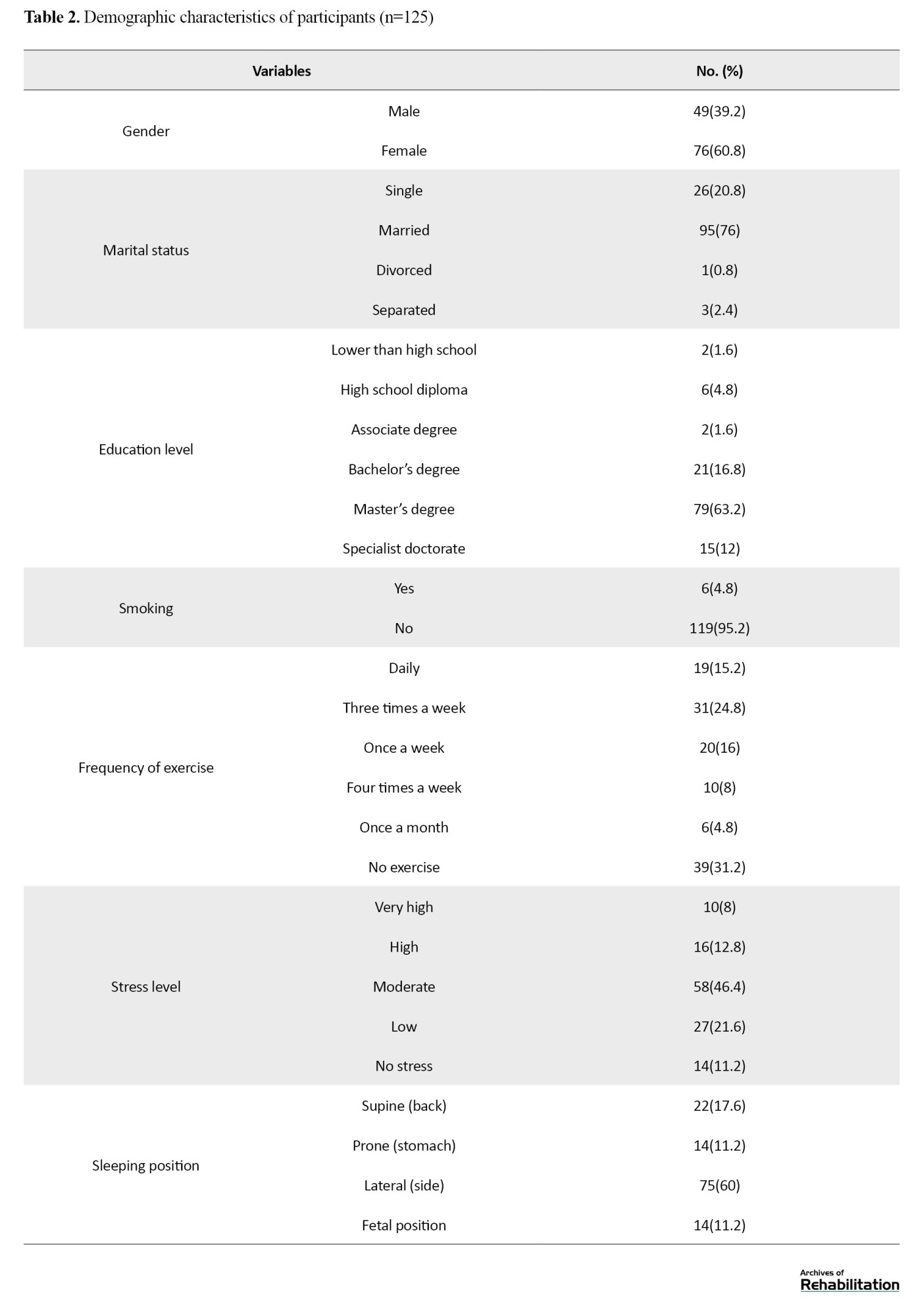
The majority were female (60.8%) and married (76%). Regarding education, most of them had a master’s degree (63.2%) and a bachelor’s degree (16.8%). Regarding smoking, only 4.8% were smokers. Regarding exercise frequency, 16% exercised once per week, while 31.2% had no physical activity. Most of them had exercise three times a week (24.8%) or daily (15.2%). In terms of perceived stress levels, most of them were at a “moderate” level (46.4%), and only 8% had “very high” stress. Regarding sleeping position, the most common posture was side sleeping (60%). Other postures included supine (17.6%), prone (11.2%), and fetal position (11.2%).
Table 3 shows the demographic characteristics of participants categorized by gender.
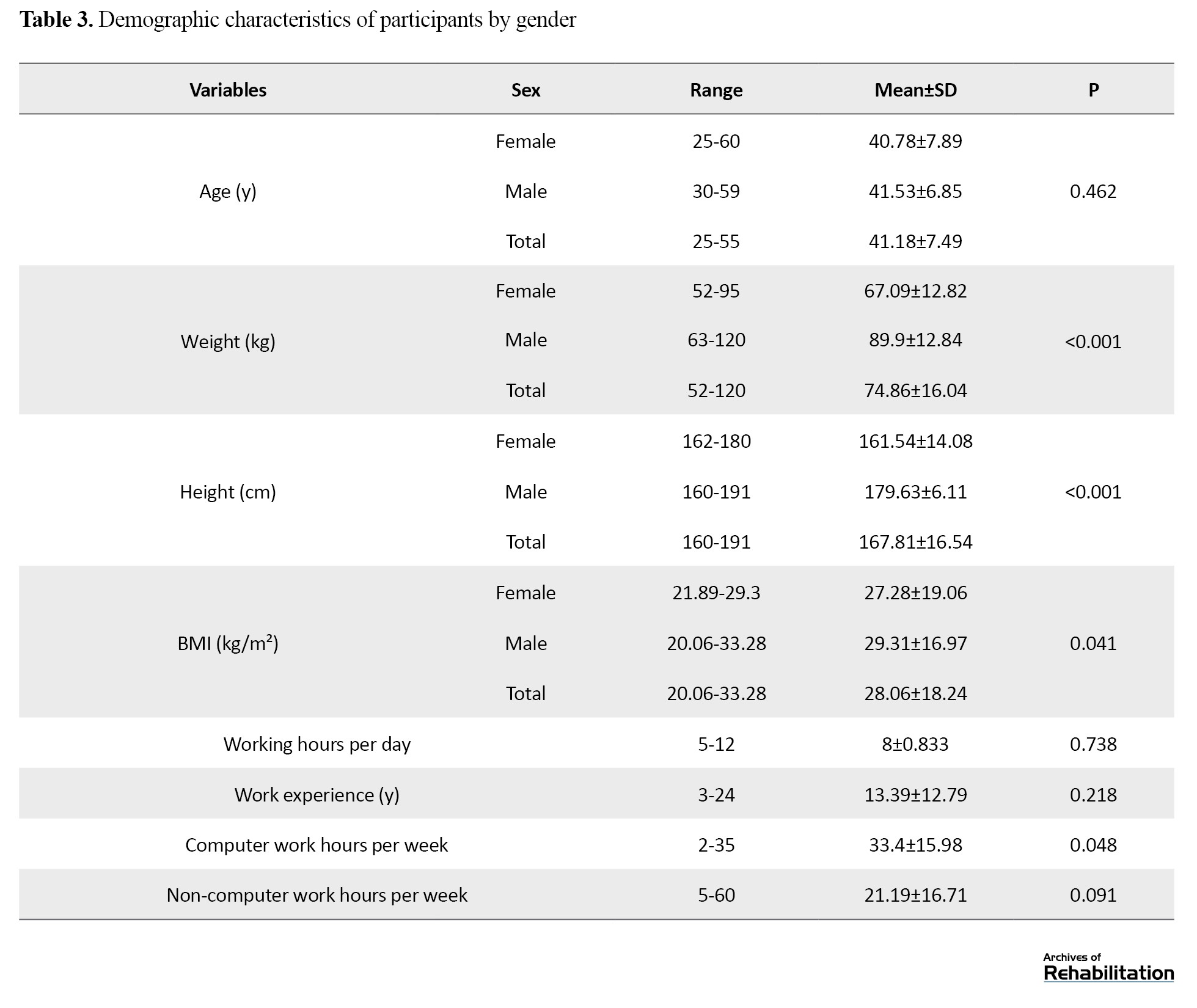
All participants were middle-aged. There was no statistically significant difference between women and men in age (P=0.462). Men had higher weight (about 90 kg vs 67 kg), and height (about 179 cm vs 161 cm), and consequently, a higher BMI (29.31 vs 27.28). These differences were statistically significant for weight and height (P<0.001) and Bmi (P=0.041). According to BMI values, both men and women were overweight (between 25 and 30 kg/m²). Their mean working hours per day was 8 hours, and their mean work experience was 13.39 years. No significant difference was found between men and women in daily working hours (P=0.738) or work experience (P=0.218). The participants spend significantly more hours per week on computer work (33.40 hours) compared to non-computer work (21.19 hours). Comparison between gender groups showed that the difference in computer work hours was statistically significant (P=0.048). However, for non-computer work hours, this difference was not statistically significant (P=0.091).
The data showed that 35.22% of women, 23.57% of men, and 30.66% in total had at least one musculoskeletal pain in different body organs (Table 4), including the neck, shoulders, elbows, wrists, low back, buttocks, hips, knees, and ankles/feet, broken down by gender.
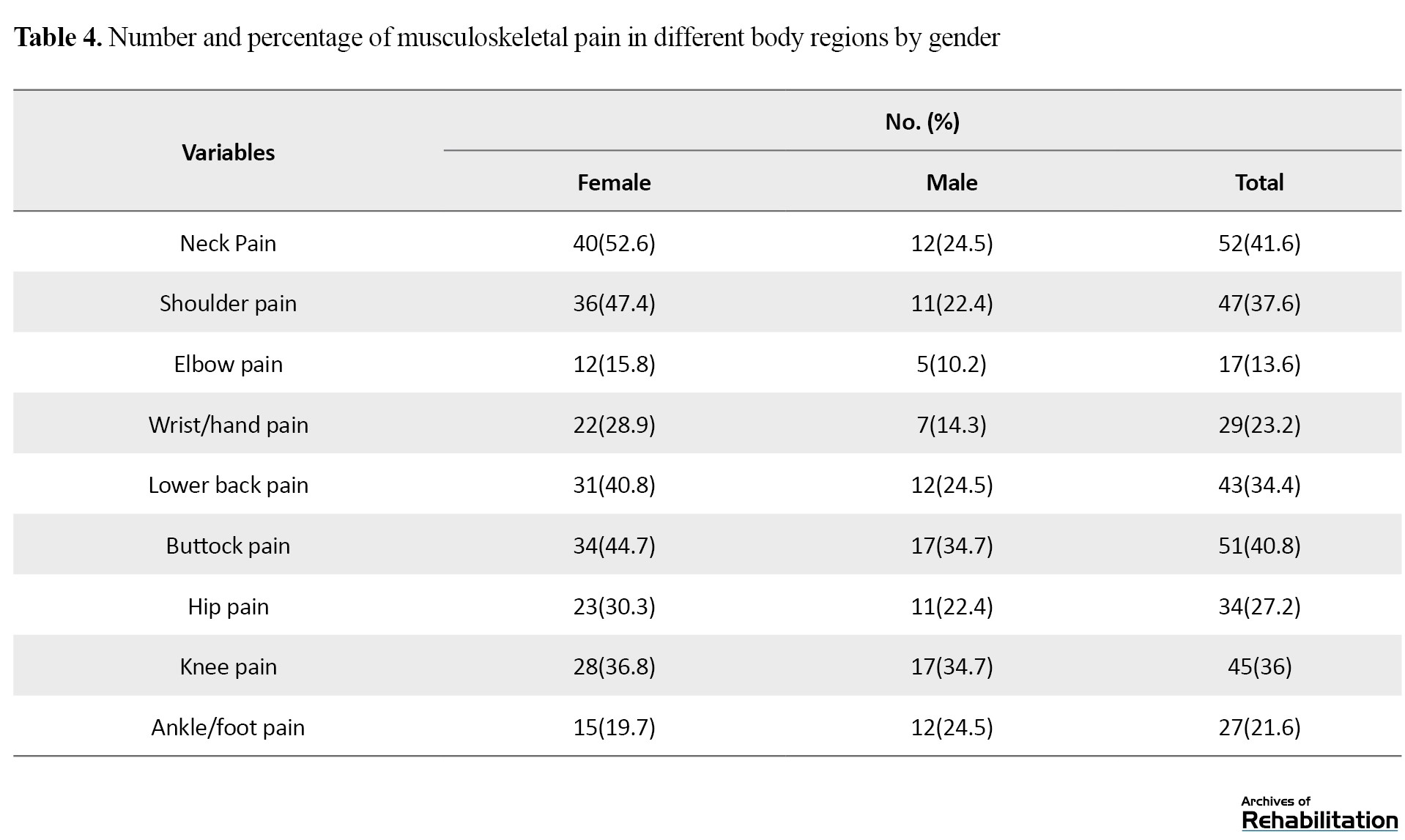
As shown in Table 4, neck, shoulder, low back, and buttock pain were among the most prevalent pain areas among participants. Women reported a higher prevalence of pain in most areas, including neck (52.6%), shoulders (47.4%), low back (40.8%), and buttocks (44.7%), compared to men. In contrast, men showed high prevalence in some areas, such as ankle/foot pain (24.5%) and buttock pain (34.7%).
To determine the appropriate statistical test for analyzing the data for job satisfaction and fatigue, both the Kolmogorov-Smirnov and Shapiro-Wilk tests were used to increase the accuracy in decision-making and follow methodological recommendations for samples with a size of less than 2000 [12]. The results of these tests are presented in Table 5.
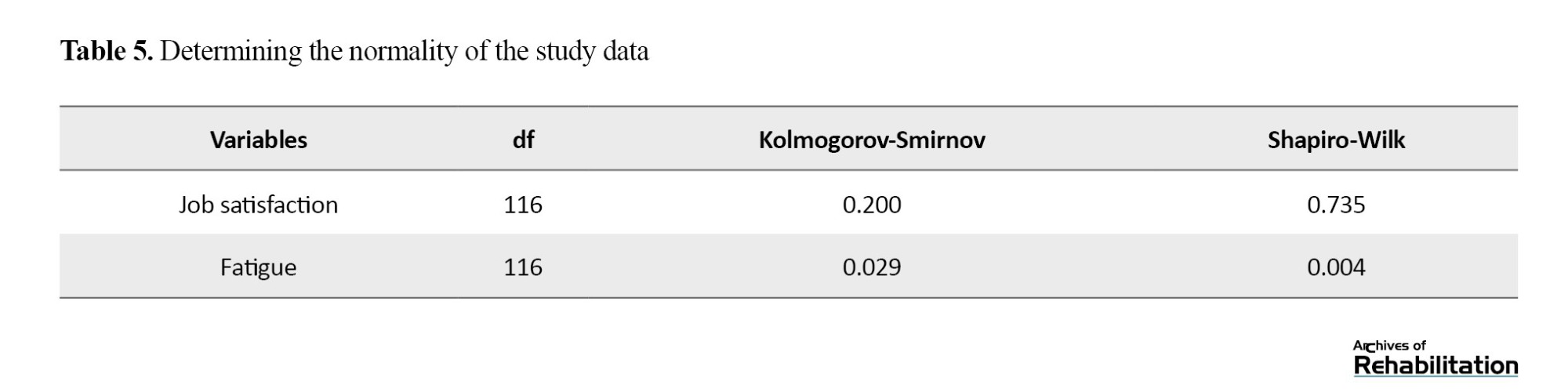
Job satisfaction had a normal distribution, as the significance level in both tests was greater than 0.05, while fatigue did not show a normal distribution in both tests (P<0.05). Therefore, Pearson’s correlation test was used to examine the correlation between job satisfaction and musculoskeletal pain, and Spearman’s rank correlation was used to examine the correlation between fatigue and musculoskeletal pain. It should be noted that from the 125 completed questionnaires, due to missing data or inconsistent responses in the job satisfaction and fatigue variables, 9 samples were excluded from the normality and correlation analyses; thus, the tests for these two variables were performed on 116 samples. Furthermore, chi-square test was used to investigate the difference in the occurrence of musculoskeletal pain in different body organs based on categorical variables (such as gender, smoking, exercise, stress, sleeping position, and fatigue). Table 6 presents the results of these tests.
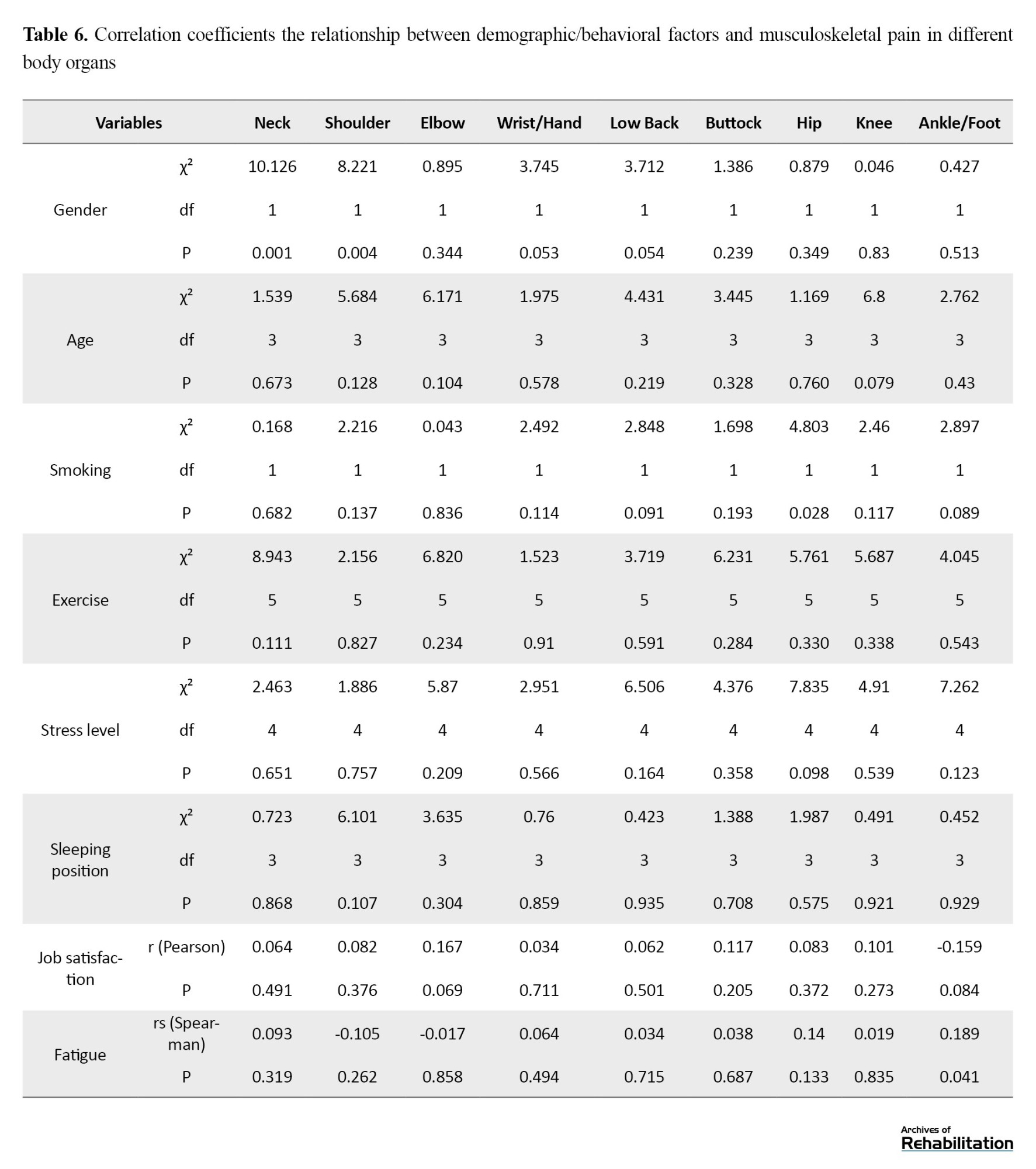
The results of the chi-square test showed a statistically significant difference in the occurrence of pain in the neck (P=0.001) and shoulders (P=0.004) based on gender; these pains were more prevalent in women than in men. Also, for the wrist/hand (P=0.053) and low back (P=0.054) regions, there was a borderline significance by gender and requires further investigation. In other body regions, the observed differences were not statistically significant. Regarding age, there was no significant difference in the pain of any organs (P>0.05 for all regions). Among the different body regions, only hip pain showed a statistically significant difference based on smoking (P=0.028). Furthermore, although there was no significant difference based on stress level, the linear-by-linear association test confirmed the existence of a significant relationship between increased stress level and the prevalence of shoulder and upper back pains. Also, the likelihood ratio test reported the significant relationship of ankle pain with stress level (P=0.048). Based on sleeping position, the difference in the prevalence of pain in any body organs was not significant. However, it should be noted that the prevalence of pain in the neck, shoulders, and back was slightly higher among those who slept in lateral (side) or prone position.
Pearson’s correlation test results showed that no significant correlation with pain in body organs and job satisfaction, although there was borderline significance in the elbow pain (P=0.069) and ankle/foot pain (P=0.084). Regarding the relationship between fatigue level and musculoskeletal pain, Spearman’s test results showed that only the ankle/foot pain had a significant positive relationship with fatigue (r=0.189, P=0.041), but it was weak, indicating a small effect size. In other words, higher fatigue increases the risk of ankle/foot pain. Pain in other body organs did not show a significant correlation with fatigue.
Finally, examining the relationship between fatigue level and job satisfaction showed that these two variables had a significant negative correlation with each other. This means that as fatigue increases, the level of job satisfaction significantly decreases.
Discussion
The present study aimed to determine the prevalence of WMSDs (symptoms and pains) and its relationship with fatigue and job satisfaction among 125 SUMD employees. The findings showed that the overall prevalence of WMSDs was 30.6%. The most commonly affected body organs were the neck (41.6%), shoulders (37.6%), low back (34.4%), and buttocks (34.4%). A significant difference was also observed in the prevalence of neck and shoulder pain between women and men (in favor of women). A significant positive association was found between fatigue and ankle pain, and a significant negative correlation was found between fatigue and job satisfaction.
The reported WMSDs prevalence in the present study is lower than that in some other local reports. For example, Samaei et al. reported a prevalence of 60.4% in administrative staff of Babol University of Medical Sciences [29]. Salehi Sahlabadi et al. reported a prevalence of >70% in administrative staff of hospitals in Tehran [30]. Jafari-Nodoushan et al. reported a prevalence of 85% and Akhlaghi Pirposhteh et al. reported a prevalence of 87.5% [31, 32]. These discrepancies can be due to several factors. We only included administrative staff with predominantly sedentary activities, while the mentioned studies included hospital staff (with higher physical activities). Also, the measurement tool in some studies (e.g. rapid office strain assessment and the rapid entire body assessment) assessed ergonomic risks in addition to pain prevalence, which may show higher rates. The differences in the type of pain (acute vs chronic) and the recall period (e.g. past 12 months vs past 7 days) can also be influential. However, the reported prevalence is close to that reported in Riyahi et al.’s study for the education department staff in Arak, Iran (about 35%) and in Bonfiglioli et al.’s study (20-40%) for office employees in Italy [3, 33]. The prevalence of musculoskeletal pain was in the range of 43.1-48.4% reported by Thongtipmak et al. in Thailand [5]. For hospital employees in Dezful, Iran, Alamshah et al. reported a prevalence of 7.8-47.7% [6]. This finding emphasizes that musculoskeletal pain is a common but demographically variable problem among Iranian office employees. The most commonly affected body regions in our study (neck, shoulders, low back, and buttocks) are consistent with most previous research. Prolonged sitting, head forward posture, lack of proper back support, and continuous use of mouse and keyboard create sustained mechanical stress on these areas. The lower involvement of the elbow (13.6%) and ankle/foot (21.6%) was expected, as these joints are less involved in repetitive movements or weight-bearing in office work.
Another important finding was the significantly higher prevalence of neck pain (52.6% vs 24.5%) and shoulder pain (47.4% vs 22.4%) in women than in men. This is consistent with studies by Ait Ali et al. (who reported the prevalence of musculoskeletal disorders as 95% in women and as 77.5% in men) [14]; Grabara for Polish office employees [15], Holzgreve et al. and Rezai Fard Bosari et al. [34, 35]. This gender difference can have multiple reasons: anatomical and physiological differences (muscle-to-fat ratio, hormonal effects on ligaments), differences in the type of job (in our study, women had significantly more computer work hours than men), and psychosocial factors (women may report higher perceived stress and seek treatment more readily). However, Wuytack et al. showed that, after adjusting for the type of occupational exposure, the gender difference disappears [17]. This perspective emphasizes that workplace and ergonomic factors play a more determining role than biological sex.
The mean BMI of participants (28.06 kg/m²) indicated overweight. Although no significant association was found between BMI and pains in specific body organs in the bivariate analysis, the high mean BMI itself is a known risk factor for musculoskeletal pain, especially low back pain. Walsh et al. and Chen et al. confirmed a strong association between obesity and chronic musculoskeletal pains [18, 19]. In contrast, Alangari et al. showed that the physical load of work is a stronger predictor than overweight alone [21]. The absence of a significant relationship in our study may be due to the small sample size or the dominance of a stronger factor (such as computer work hours). It appears that overweight, as a predisposing factor, manifests its effect in interaction with other risk factors.
The mean total computer work hours per week (33.4 hours) was two times more than the non-computer work hours (21.19 hours). Long computer work hours are associated with the prevalence of neck, shoulder, and back pain [22, 23, 36]. However, Azmi et al. suggested that the quality of ergonomics and the presence of movement breaks are more determining than mere working hours [23]. In our study, the lack of a significant difference in shoulder or back pain based on computer work hours based on the chi-square test, may be due to low difference in this variable (most participants had long work hours) or the presence of intervening factors.
An interesting finding was the significant positive relationship between fatigue and ankle/foot pain. Although this relationship seems unexpected, it may be explained by the following mechanisms: general body fatigue can alter gait patterns and disrupt weight distribution at the ankle joint. Muscle fatigue may also reduce the ability to stabilize the ankle joint, placing more stress on ligaments and tendons. Unfortunately, few studies have addressed this specific relationship, and further research with biomechanical assessments is needed. However, biomechanical studies show that fatigue in proximal muscles (such as the glutes and hamstrings) can alter gait patterns and create abnormal loading on the ankle. Systemic fatigue is also associated with reduced reaction time in ankle-stabilizing muscles. Due to the weak correlation, this result should be interpreted with caution.
We found a significant negative correlation between fatigue and job satisfaction; higher fatigue caused lower job satisfaction. This finding is consistent with the results of Azadchehr et al. for employees of Kashan University in Iran and the results of Zheng et al. for information technology employees in China [12, 36]. Fatigue caused by WMSDs reduces motivation, increases errors, and creates a feeling of inefficacy, which in turn lowers job satisfaction. On the other hand, low job satisfaction can act as a psychosocial stressor and exacerbate perceived fatigue. This vicious cycle necessitates simultaneous ergonomic and psychosocial interventions. Based on Karasek’s demand-control model, high fatigue is often seen in jobs with high psychological demands and low control. Administrative staff at medical universities such as SUMS may face high demands in terms of correspondence, precision, and responsiveness to multiple stakeholders, but have little control over how and when they perform their work. This mismatch both increases fatigue and reduces satisfaction. Additionally, Siegrist’s effort-reward imbalance model states that when an individual’s effort (including physical effort to endure pain and fatigue) is not matched by appropriate rewards (salary, respect, job security), job satisfaction decreases. Fatigue caused by muscle pain is a neglected effort that does not receive proportional reward [37].
The significant relationship between history of smoking and hip pain was another finding that has been less reported in previous studies. Smoking, by reducing tissue blood flow and delaying the repair of connective tissues, can increase the vulnerability of the hip joint. However, due to the small number of smokers in our study (n=6), generalizing this finding should be done with caution. Although perceived stress did not significantly affect the occurrence of musculoskeletal pain based on the chi-square test results, the linear-by-linear association test confirmed a positive linear relationship with shoulder and back pain (as stress increases, the risk of pain increases). This finding aligns with the biopsychosocial model, in which stress increases muscle tension and lowers the pain threshold [38]. Based on sleeping position, no significant difference was observed in the occurrence of musculoskeletal pain; however, the higher prevalence of neck and shoulder pain in individuals who slept on their side warrants further investigation with more precise tools.
Limitations and recommendations
The present study had limitations that should be considered when interpreting the results. First, the study was cross-sectional and therefore cannot prove causal relationships between variables. Particularly, due to the lack of structural equation modeling or mediation tests in the present study, it was unable to test the possible role of fatigue as a mediating variable in the relationship between WMSDs and job satisfaction. The data on WMSDs, fatigue, and job satisfaction were collected using self-report tools, which raises the possibility of recall or reporting bias. The NMQ is a screening tool that reports only the prevalence of “symptoms and pains”, not the prevalence of clinically diagnosed structural abnormalities. Moreover, the higher number of participants aged 30-60 years may influence age-related changes. Although the chi-square test showed no significant differences in the prevalence of WMSDs based on age, the potential impact of confounding factors (such as work experience and underlying diseases) was not assessed, which is considered a limitation. Given these limitations, it is recommended that future studies with longitudinal designs and larger sample sizes examine the mediating role of fatigue and use clinical examinations, objective methods such as surface electromyography, motion analysis, and magnetic resonance imaging alongside questionnaires. Additionally, conducting future studies with smaller age range groups (e.g. 30-39, 40-49, 50-60 years) and using logistic regression analysis for adjusting confounding variables can provide a more accurate picture of the effect of age on WMSDs in office employees. Finally, investigating the effect of ergonomic interventions combined with psychosocial counseling in the form of randomized clinical trials would be the logical next step to determine causality and provide practical solutions.
Conclusion
The prevalence of WMSDs (symptoms and pains) among administrative staff of SUMS is 30.6%, and their most common musculoskeletal pain are neck pain, shoulder pain, low back pain, and buttock pain. The prevalence of neck and shoulder pain was significantly higher in women than in men. There was a significant positive relationship between fatigue and ankle/foot pain, and a significant negative correlation between fatigue and job satisfaction. Smoking had a relationship with hip pain, and perceived stress had a significant linear relationship with shoulder and upper back pain. The findings indicate the necessity of ergonomic design of workplaces for administrative staff of medical universities with an emphasis on their neck, shoulders, and low back; special attention to the female staff through ergonomics programs and adjustment of their computer work hours; management of employees’ fatigue and occupational stress by holding work-life balance and mindfulness workshops; implementation of weight control and regular exercise programs in their workplace; taking regular movement breaks (e.g. 5 min walking or stretching every 45 minutes); and periodic annual screening using the NMQ for early detection of warning signs. The simultaneous implementation of ergonomic, psychosocial, and weight management interventions can lead to improved employee health, increased job satisfaction, and enhanced organizational productivity.
Ethical Considerations
Compliance with ethical guidelines
This study was approved by the Student Research and Technology Committee of Semnan University of Medical Sciences, Semnan, Iran (Code: IR.SEMUMS.REC.1404.064). All participants signed an informed written consent form. The confidentiality of their information and their right to withdraw from the study at any time were fully observed.
Funding
This research was funded by Semnan University of Medical Sciences, Semnan, Iran.
Authors' contributions
Conceptualization and methodology: Farzaneh Kermani, Marzieh Poshtvan, Sanaz Doostmohammadi, Mohammad Reza Nasiri, and Amirhossein Mirzahosseini; Analysis, project administration, review and editing: Mina Sadat Mirshoja; Investigation: Marzieh Poshtvan, Sanaz Doostmohammadi, Mohammad Reza Nasiri, and Amirhossein Mirzahosseini; Writing the initial draft: Farzaneh Kermani and Mina Sadat Mirshoja; Supervision: Farzaneh Kermani.
Conflict of interest
The authors declared no conflict of interest.
Statement on the use of AI tools
The authors declare that they used DeepSeek AI solely for translation and language editing. All authors are fully responsible for the scientific content and research results of this article.
Full-Text: (125 Views)
Introduction
Modern lifestyles are accompanied by decreased physical activity and increased sedentary behaviors, which pose a serious risk to public health. People with desk jobs have limited opportunities to move during working hours, and prolonged sitting can lead to work-related musculoskeletal disorders (WMSDs) [1]. These disorders usually manifest as pain, discomfort, stiffness, or functional limitation in various body regions, including the neck, shoulders, back, wrists, and lower limbs, and can affect job performance, quality of life (QoL), and employee productivity. The World Health Organization (WHO) has identified musculoskeletal conditions as one of the main causes of disability and reduced QoL in the working population [2]. It is estimated that approximately 1.71 billion people worldwide suffer from WMSDs [3]. In the United States, the incidence rate of WMSDs was reported as 27.2 per 10,000 among full-time workers; in European :union: member countries, prevalence was 79% in Finland, 75% in France, and 73% in Denmark [4]. The prevalence of WMSDs ranges from 43.1% to 48.4% in Thailand [5] and from 7.8% to 47.7% in Iran [6]. In a study, low back pain, as the most common WMSD, was recognized as the most important cause of disability in 160 out of 204 study countries [3]. However, its incidence rate in Europe was 43%, and muscle pain in the shoulders, neck, and upper limbs was 41% [4]. Among Iranian office workers, the prevalence of neck, wrist, and elbow pain was 47.7%, 40.4%, and 8.7%, respectively [6].
WMSDs can be caused by various factors, including individual-related and work-related factors [7]. Factors related to poor nutrition, smoking and alcohol consumption, insufficient rest, specific medical conditions, and demographic factors such as age greatly increase the risk of WMSDs. On the other hand, prolonged static postures, repetitive movements, poor design of the workplace, and psychosocial stressors are among the most important predictors of WMSDs [8]. What complicates the situation further is the existence of a vicious cycle in which WMSDs interact dynamically with fatigue and reduced job satisfaction. In other words, WMSDs are not merely a physical phenomenon but a biopsychosocial issue with complex dimensions. Occupational fatigue is not only the physical consequence of muscle pain but can also act as an aggravating factor, reducing pain tolerance and increasing the individual’s perception of symptom severity [9]. On the other hand, low job satisfaction, as a psychosocial stressor, increases muscle tension and reduces the individual’s motivation to seek treatment or correct ergonomic behaviors [10]. Several recent studies have confirmed a significant relationship among these three constructs [9, 11-13]; however, most have examined them in pairs, and simultaneous examination of all three in one population remains rare [11, 12].
Although WMSDs are usually not life-threatening diseases, they are typically associated with pain and limitations in motor skills, leading to early retirement [3]. Several studies in recent years have confirmed the significant relationship between work-related musculoskeletal symptoms and pains with job satisfaction and fatigue [9, 10-13]. A deeper review of the literature reveals significant contradictions. For example, regarding the role of gender, some studies reported a significant difference and higher prevalence of musculoskeletal disorders in women [14-16], while Wuytack et al. showed that these differences were more due to the type of job tasks and the level of occupational exposure rather than gender alone [17]. Also, in examining the relationship between body mass index (BMI) and musculoskeletal disorders, some studies found a strong association of BMI with low back pain [18-20]. However, Alangari et al. stated that the physical load of work had a greater role than BMI [21]. Regarding hours of computer use, there were also contradictions in the literature; Gosain found a direct linear relationship between musculoskeletal disorders and computer use [22], while Azmi et al. considered the quality of ergonomics and movement breaks to be more determining factors of the relationship between them [23]. In addition, although the pairwise relationships between WMSDs and fatigue and job satisfaction have been confirmed, the exact mechanism of their simultaneous interaction and the possible role of fatigue as a mediating or moderating factor remain unclear. Moreover, the role of less-studied variables such as sleeping position and perceived stress in Iranian office workers, considering the specific work culture and lifestyle, remains unknown. Also, the relationship between fatigue and pain in specific areas such as the ankle requires more investigation. Due to differences in working conditions, type of job, and demographic characteristics, the results from studies conducted in other settings cannot be fully generalized to the employees of medical universities (given the specific working conditions, including long hours of computer use and psychosocial pressures arising from providing health services).
No local study has yet simultaneously and comprehensively examined the three variables of WMSDs, fatigue, and job satisfaction among employees of Semnan University of Medical Sciences (SUMS) in Semnan, Iran. Therefore, a study that simultaneously examines the prevalence of WMSDs and their relationship with fatigue and job satisfaction in this high-risk population seems essential for designing preventive interventions and promoting the occupational health of SUMS employees. Keeping this in mind, the present study aimed to investigate the prevalence of WMSDs (symptoms and pain) and their relationship with fatigue and job satisfaction among SUMS employees. Accordingly, we hypothesize that: (a) there is a significant positive relationship between the level of fatigue and the occurrence of WMSDs; (b) there is a negative relationship between job satisfaction and the occurrence of WMSDs; (c) selected demographic/behavioral variables (such as gender, age, BMI, computer use hours, smoking, exercise, perceived stress, and sleeping position) are associated with the occurrence of WMSDs; (d) the level of fatigue affects the association between WMSDs and job satisfaction.
Materials and Methods
Study design and participants
This is a descriptive-analytical study with a cross-sectional design. The study population included all administrative employees working at the central headquarters and university complex of SUMS in 2025. A stratified random sampling with proportional allocation was used. The initial sample size was calculated using Cochran’s formula (Equation 1):
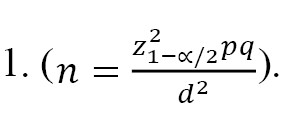
By considering a 95% confidence level (Z1-α=1.96), expected prevalence (p) of 0.9, and absolute precision (d) of 0.08, the initial sample size was estimated at 54. Then, applying a design effect of 2, the sample size reached 10: (Equation 2):
2. (54×2=108).
Considering a 20% attrition rate, the final sample size was determined at 135. To ensure sample adequacy across different strata, 140 questionnaires were distributed. For sampling, the study population was divided into five strata based on university departments (educational, research, financial & administrative, support, and information technology), albeit the nature of work for all employees (desk job) was similar in terms of ergonomic conditions. The sample size for each stratum was calculated using proportional allocation as nh=Nh/N×n, where nh was the sample size in stratum h, Nh was the population size in stratum h, N was the total population size, and n was the total sample size.
Inclusion criteria were at least three years of full-time work experience in the current position (administrative), employment in one of the approved positions (administrative) at the university, at least 6 hours of administrative work per day, age 30-60 years, and willingness and ability to complete the questionnaires (in person or online). Exclusion criteria were a history of musculoskeletal trauma, injury, or surgery in the past 6 months, having systemic diseases affecting the musculoskeletal system (e.g. rheumatism, lupus, multiple sclerosis), pregnancy, having a second job with heavy physical activity, and a history of work absence for more than one month in the past 6 months.
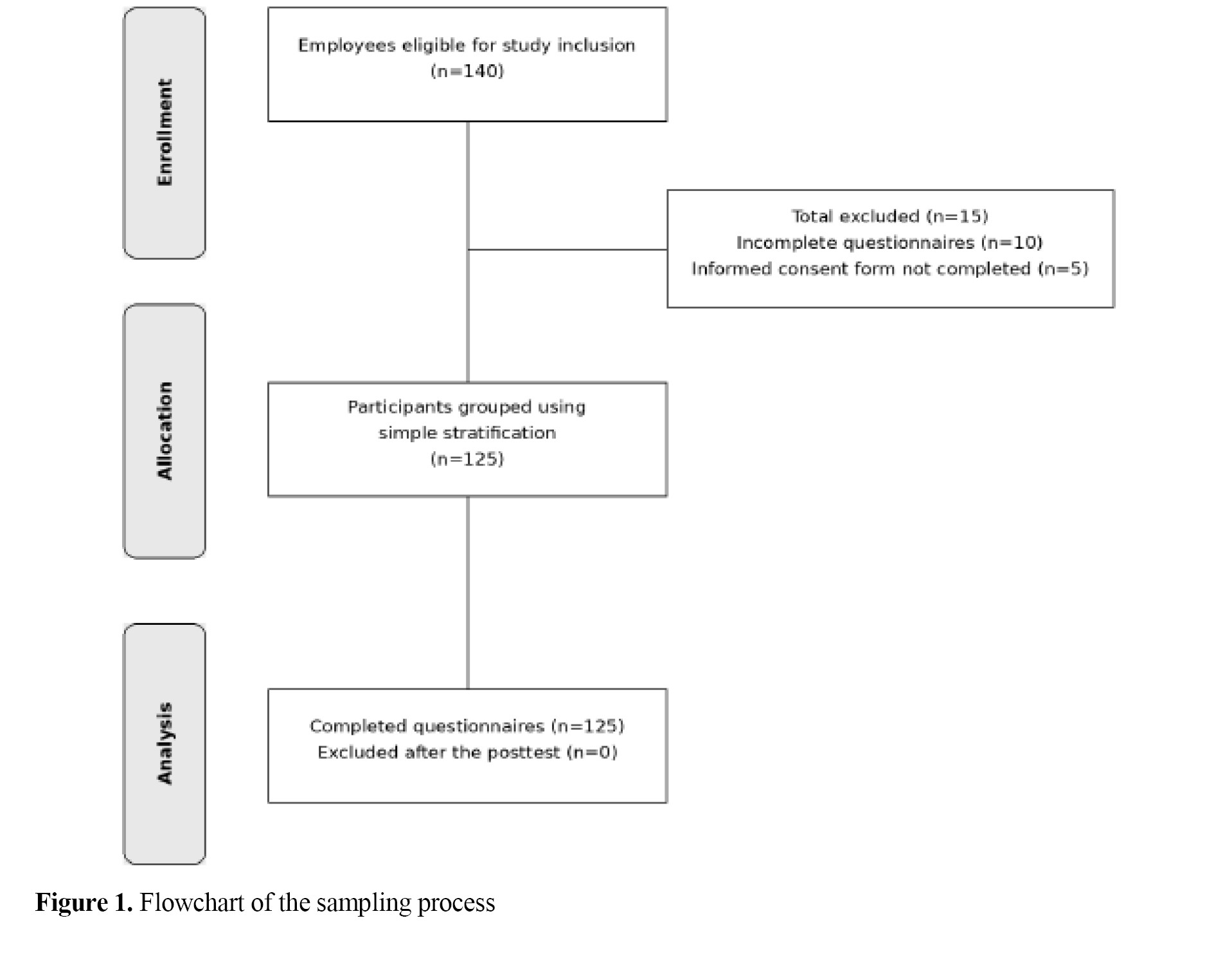
From the 140 distributed questionnaires, finally, 125 were completed and collected (response rate=89.3%). The distribution of participants across different university departments is presented in Table 1.
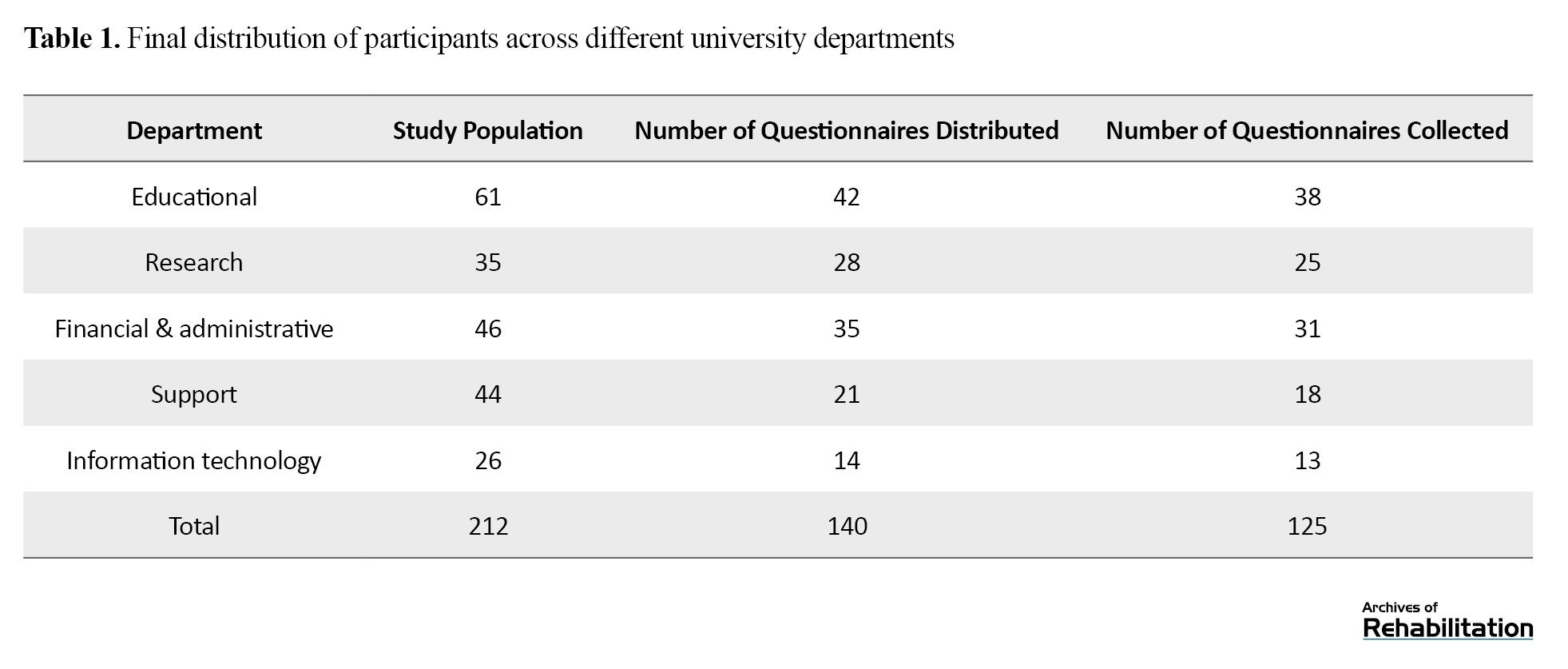
The flowchart of the sampling process is shown in Figure 1.
Modern lifestyles are accompanied by decreased physical activity and increased sedentary behaviors, which pose a serious risk to public health. People with desk jobs have limited opportunities to move during working hours, and prolonged sitting can lead to work-related musculoskeletal disorders (WMSDs) [1]. These disorders usually manifest as pain, discomfort, stiffness, or functional limitation in various body regions, including the neck, shoulders, back, wrists, and lower limbs, and can affect job performance, quality of life (QoL), and employee productivity. The World Health Organization (WHO) has identified musculoskeletal conditions as one of the main causes of disability and reduced QoL in the working population [2]. It is estimated that approximately 1.71 billion people worldwide suffer from WMSDs [3]. In the United States, the incidence rate of WMSDs was reported as 27.2 per 10,000 among full-time workers; in European :union: member countries, prevalence was 79% in Finland, 75% in France, and 73% in Denmark [4]. The prevalence of WMSDs ranges from 43.1% to 48.4% in Thailand [5] and from 7.8% to 47.7% in Iran [6]. In a study, low back pain, as the most common WMSD, was recognized as the most important cause of disability in 160 out of 204 study countries [3]. However, its incidence rate in Europe was 43%, and muscle pain in the shoulders, neck, and upper limbs was 41% [4]. Among Iranian office workers, the prevalence of neck, wrist, and elbow pain was 47.7%, 40.4%, and 8.7%, respectively [6].
WMSDs can be caused by various factors, including individual-related and work-related factors [7]. Factors related to poor nutrition, smoking and alcohol consumption, insufficient rest, specific medical conditions, and demographic factors such as age greatly increase the risk of WMSDs. On the other hand, prolonged static postures, repetitive movements, poor design of the workplace, and psychosocial stressors are among the most important predictors of WMSDs [8]. What complicates the situation further is the existence of a vicious cycle in which WMSDs interact dynamically with fatigue and reduced job satisfaction. In other words, WMSDs are not merely a physical phenomenon but a biopsychosocial issue with complex dimensions. Occupational fatigue is not only the physical consequence of muscle pain but can also act as an aggravating factor, reducing pain tolerance and increasing the individual’s perception of symptom severity [9]. On the other hand, low job satisfaction, as a psychosocial stressor, increases muscle tension and reduces the individual’s motivation to seek treatment or correct ergonomic behaviors [10]. Several recent studies have confirmed a significant relationship among these three constructs [9, 11-13]; however, most have examined them in pairs, and simultaneous examination of all three in one population remains rare [11, 12].
Although WMSDs are usually not life-threatening diseases, they are typically associated with pain and limitations in motor skills, leading to early retirement [3]. Several studies in recent years have confirmed the significant relationship between work-related musculoskeletal symptoms and pains with job satisfaction and fatigue [9, 10-13]. A deeper review of the literature reveals significant contradictions. For example, regarding the role of gender, some studies reported a significant difference and higher prevalence of musculoskeletal disorders in women [14-16], while Wuytack et al. showed that these differences were more due to the type of job tasks and the level of occupational exposure rather than gender alone [17]. Also, in examining the relationship between body mass index (BMI) and musculoskeletal disorders, some studies found a strong association of BMI with low back pain [18-20]. However, Alangari et al. stated that the physical load of work had a greater role than BMI [21]. Regarding hours of computer use, there were also contradictions in the literature; Gosain found a direct linear relationship between musculoskeletal disorders and computer use [22], while Azmi et al. considered the quality of ergonomics and movement breaks to be more determining factors of the relationship between them [23]. In addition, although the pairwise relationships between WMSDs and fatigue and job satisfaction have been confirmed, the exact mechanism of their simultaneous interaction and the possible role of fatigue as a mediating or moderating factor remain unclear. Moreover, the role of less-studied variables such as sleeping position and perceived stress in Iranian office workers, considering the specific work culture and lifestyle, remains unknown. Also, the relationship between fatigue and pain in specific areas such as the ankle requires more investigation. Due to differences in working conditions, type of job, and demographic characteristics, the results from studies conducted in other settings cannot be fully generalized to the employees of medical universities (given the specific working conditions, including long hours of computer use and psychosocial pressures arising from providing health services).
No local study has yet simultaneously and comprehensively examined the three variables of WMSDs, fatigue, and job satisfaction among employees of Semnan University of Medical Sciences (SUMS) in Semnan, Iran. Therefore, a study that simultaneously examines the prevalence of WMSDs and their relationship with fatigue and job satisfaction in this high-risk population seems essential for designing preventive interventions and promoting the occupational health of SUMS employees. Keeping this in mind, the present study aimed to investigate the prevalence of WMSDs (symptoms and pain) and their relationship with fatigue and job satisfaction among SUMS employees. Accordingly, we hypothesize that: (a) there is a significant positive relationship between the level of fatigue and the occurrence of WMSDs; (b) there is a negative relationship between job satisfaction and the occurrence of WMSDs; (c) selected demographic/behavioral variables (such as gender, age, BMI, computer use hours, smoking, exercise, perceived stress, and sleeping position) are associated with the occurrence of WMSDs; (d) the level of fatigue affects the association between WMSDs and job satisfaction.
Materials and Methods
Study design and participants
This is a descriptive-analytical study with a cross-sectional design. The study population included all administrative employees working at the central headquarters and university complex of SUMS in 2025. A stratified random sampling with proportional allocation was used. The initial sample size was calculated using Cochran’s formula (Equation 1):
By considering a 95% confidence level (Z1-α=1.96), expected prevalence (p) of 0.9, and absolute precision (d) of 0.08, the initial sample size was estimated at 54. Then, applying a design effect of 2, the sample size reached 10: (Equation 2):
2. (54×2=108).
Considering a 20% attrition rate, the final sample size was determined at 135. To ensure sample adequacy across different strata, 140 questionnaires were distributed. For sampling, the study population was divided into five strata based on university departments (educational, research, financial & administrative, support, and information technology), albeit the nature of work for all employees (desk job) was similar in terms of ergonomic conditions. The sample size for each stratum was calculated using proportional allocation as nh=Nh/N×n, where nh was the sample size in stratum h, Nh was the population size in stratum h, N was the total population size, and n was the total sample size.
Inclusion criteria were at least three years of full-time work experience in the current position (administrative), employment in one of the approved positions (administrative) at the university, at least 6 hours of administrative work per day, age 30-60 years, and willingness and ability to complete the questionnaires (in person or online). Exclusion criteria were a history of musculoskeletal trauma, injury, or surgery in the past 6 months, having systemic diseases affecting the musculoskeletal system (e.g. rheumatism, lupus, multiple sclerosis), pregnancy, having a second job with heavy physical activity, and a history of work absence for more than one month in the past 6 months.
From the 140 distributed questionnaires, finally, 125 were completed and collected (response rate=89.3%). The distribution of participants across different university departments is presented in Table 1.
The flowchart of the sampling process is shown in Figure 1.
Procedure
First, the researcher obtained the necessary approvals from the Ethics Committee for Biomedical Research at SUMS. After identifying eligible participants in each department and coordinating with department managers, the researcher contacted participants by email or phone. During these contacts, the researcher explained the study objectives, information confidentiality, voluntary participation, and the possibility of withdrawal at any stage. After participants provided consent, the researcher scheduled the time and place of the meeting (at the workplace during office hours). During the face-to-face meeting, the researcher reiterated the previous explanations, obtained written informed consent, and distributed the questionnaires. To reduce bias and increase the response rate, two methods for completing the questionnaires were considered: Using printed questionnaires completed by the participants on-site and immediately received by the researcher, or using their electronic version designed on the Google Forms platform and sent via email or SMS to those who preferred to complete it remotely. The average time to complete all questionnaires was 15-20 minutes.
Instruments
We used four questionnaires: a demographic form to collect demographic information (age, gender, educational level, height, weight, job position, work experience, computer/non-computer use hours), the Nordic musculoskeletal questionnaire (NMQ) to assess the prevalence and severity of WMSDs in different body regions, the Minnesota satisfaction questionnaire (MSQ) to measure the level of job satisfaction, and the 20-item multidimensional fatigue inventory (MFI) to assess the level of occupational fatigue.
The NMQ was first introduced by Kuorinka et al. in 1987, and its revised version was introduced in 2009 by Anna P. Dawson. As a standard tool, it screens musculoskeletal symptoms and pains in nine main body parts: neck, shoulder, upper back, lower back, elbow, wrist/hand, hip, knee, foot/ankle. In addition, this tool collects information on the pain intensity and duration. This questionnaire measures the prevalence of symptoms and pains and is not designed to diagnose structural musculoskeletal abnormalities, which require clinical examination and imaging. The reliability of the Persian version of NMQ was confirmed in a previous study [24], which reported a Cronbach’s α of 0.87, indicating its high reliability for the Iranian population
The MFI was designed by Smets et al. in 1995. It consists of 20 items and five subscales (general fatigue, physical fatigue, reduced activity, reduced motivation, and mental fatigue). It measures fatigue based on the individual’s feelings and expressions, thus also considering the subjective and perceptual dimensions of fatigue [25]. This questionnaire was translated into Persian in a previous study [26], which reported a Cronbach’s α of 0.72, indicating the acceptable reliability of this tool for the Iranian population.
The MSQ was developed by Weiss et al. in 1967 to measure job satisfaction, focusing on intrinsic and extrinsic factors. It consists of 19 items and 6 subscales: payment system (3 items), job nature (4 items), opportunities for promotion (3 items), organizational climate (2 items), leadership style (4 items), and physical conditions (3 items). Item scoring is based on a Likert scale from 1 to 5; scores of 19-38 indicate poor job satisfaction, 38-57 indicate moderate job satisfaction, and >57 indicate high job satisfaction. The Persian version of this questionnaire has been validated, having a validity of 0.78 and a Cronbach’s α of 0.82 [27, 28].
Data analysis
All statistical analyses were performed in SPSS software, version 26. Data analysis was conducted at both descriptive and inferential levels. In the descriptive section, quantitative variables were reported using Mean±SD, median, and interquartile range, while qualitative variables were reported using frequency and percentage. In the inferential section, the normality of the data was first examined using the Kolmogorov-Smirnov test. The chi-square test was used to examine differences in categorical variables. Pearson’s correlation was used to examine the correlation between NMQ and MSQ scores, and Spearman’s correlation test was used to examine the correlation between MFI and NMQ scores. The significance level for all tests was set at 0.05.
Results
In this study, 125 employed people with a mean age of 41.18±7.49 years participated. They included 76 females (60.8%) and 49 males (39.2%).
Table 2 shows the demographic characteristics, including gender, marital status, education level, history of smoking, frequency of exercise, perceived stress level, and sleeping position.
The majority were female (60.8%) and married (76%). Regarding education, most of them had a master’s degree (63.2%) and a bachelor’s degree (16.8%). Regarding smoking, only 4.8% were smokers. Regarding exercise frequency, 16% exercised once per week, while 31.2% had no physical activity. Most of them had exercise three times a week (24.8%) or daily (15.2%). In terms of perceived stress levels, most of them were at a “moderate” level (46.4%), and only 8% had “very high” stress. Regarding sleeping position, the most common posture was side sleeping (60%). Other postures included supine (17.6%), prone (11.2%), and fetal position (11.2%).
Table 3 shows the demographic characteristics of participants categorized by gender.
All participants were middle-aged. There was no statistically significant difference between women and men in age (P=0.462). Men had higher weight (about 90 kg vs 67 kg), and height (about 179 cm vs 161 cm), and consequently, a higher BMI (29.31 vs 27.28). These differences were statistically significant for weight and height (P<0.001) and Bmi (P=0.041). According to BMI values, both men and women were overweight (between 25 and 30 kg/m²). Their mean working hours per day was 8 hours, and their mean work experience was 13.39 years. No significant difference was found between men and women in daily working hours (P=0.738) or work experience (P=0.218). The participants spend significantly more hours per week on computer work (33.40 hours) compared to non-computer work (21.19 hours). Comparison between gender groups showed that the difference in computer work hours was statistically significant (P=0.048). However, for non-computer work hours, this difference was not statistically significant (P=0.091).
The data showed that 35.22% of women, 23.57% of men, and 30.66% in total had at least one musculoskeletal pain in different body organs (Table 4), including the neck, shoulders, elbows, wrists, low back, buttocks, hips, knees, and ankles/feet, broken down by gender.
As shown in Table 4, neck, shoulder, low back, and buttock pain were among the most prevalent pain areas among participants. Women reported a higher prevalence of pain in most areas, including neck (52.6%), shoulders (47.4%), low back (40.8%), and buttocks (44.7%), compared to men. In contrast, men showed high prevalence in some areas, such as ankle/foot pain (24.5%) and buttock pain (34.7%).
To determine the appropriate statistical test for analyzing the data for job satisfaction and fatigue, both the Kolmogorov-Smirnov and Shapiro-Wilk tests were used to increase the accuracy in decision-making and follow methodological recommendations for samples with a size of less than 2000 [12]. The results of these tests are presented in Table 5.
Job satisfaction had a normal distribution, as the significance level in both tests was greater than 0.05, while fatigue did not show a normal distribution in both tests (P<0.05). Therefore, Pearson’s correlation test was used to examine the correlation between job satisfaction and musculoskeletal pain, and Spearman’s rank correlation was used to examine the correlation between fatigue and musculoskeletal pain. It should be noted that from the 125 completed questionnaires, due to missing data or inconsistent responses in the job satisfaction and fatigue variables, 9 samples were excluded from the normality and correlation analyses; thus, the tests for these two variables were performed on 116 samples. Furthermore, chi-square test was used to investigate the difference in the occurrence of musculoskeletal pain in different body organs based on categorical variables (such as gender, smoking, exercise, stress, sleeping position, and fatigue). Table 6 presents the results of these tests.
The results of the chi-square test showed a statistically significant difference in the occurrence of pain in the neck (P=0.001) and shoulders (P=0.004) based on gender; these pains were more prevalent in women than in men. Also, for the wrist/hand (P=0.053) and low back (P=0.054) regions, there was a borderline significance by gender and requires further investigation. In other body regions, the observed differences were not statistically significant. Regarding age, there was no significant difference in the pain of any organs (P>0.05 for all regions). Among the different body regions, only hip pain showed a statistically significant difference based on smoking (P=0.028). Furthermore, although there was no significant difference based on stress level, the linear-by-linear association test confirmed the existence of a significant relationship between increased stress level and the prevalence of shoulder and upper back pains. Also, the likelihood ratio test reported the significant relationship of ankle pain with stress level (P=0.048). Based on sleeping position, the difference in the prevalence of pain in any body organs was not significant. However, it should be noted that the prevalence of pain in the neck, shoulders, and back was slightly higher among those who slept in lateral (side) or prone position.
Pearson’s correlation test results showed that no significant correlation with pain in body organs and job satisfaction, although there was borderline significance in the elbow pain (P=0.069) and ankle/foot pain (P=0.084). Regarding the relationship between fatigue level and musculoskeletal pain, Spearman’s test results showed that only the ankle/foot pain had a significant positive relationship with fatigue (r=0.189, P=0.041), but it was weak, indicating a small effect size. In other words, higher fatigue increases the risk of ankle/foot pain. Pain in other body organs did not show a significant correlation with fatigue.
Finally, examining the relationship between fatigue level and job satisfaction showed that these two variables had a significant negative correlation with each other. This means that as fatigue increases, the level of job satisfaction significantly decreases.
Discussion
The present study aimed to determine the prevalence of WMSDs (symptoms and pains) and its relationship with fatigue and job satisfaction among 125 SUMD employees. The findings showed that the overall prevalence of WMSDs was 30.6%. The most commonly affected body organs were the neck (41.6%), shoulders (37.6%), low back (34.4%), and buttocks (34.4%). A significant difference was also observed in the prevalence of neck and shoulder pain between women and men (in favor of women). A significant positive association was found between fatigue and ankle pain, and a significant negative correlation was found between fatigue and job satisfaction.
The reported WMSDs prevalence in the present study is lower than that in some other local reports. For example, Samaei et al. reported a prevalence of 60.4% in administrative staff of Babol University of Medical Sciences [29]. Salehi Sahlabadi et al. reported a prevalence of >70% in administrative staff of hospitals in Tehran [30]. Jafari-Nodoushan et al. reported a prevalence of 85% and Akhlaghi Pirposhteh et al. reported a prevalence of 87.5% [31, 32]. These discrepancies can be due to several factors. We only included administrative staff with predominantly sedentary activities, while the mentioned studies included hospital staff (with higher physical activities). Also, the measurement tool in some studies (e.g. rapid office strain assessment and the rapid entire body assessment) assessed ergonomic risks in addition to pain prevalence, which may show higher rates. The differences in the type of pain (acute vs chronic) and the recall period (e.g. past 12 months vs past 7 days) can also be influential. However, the reported prevalence is close to that reported in Riyahi et al.’s study for the education department staff in Arak, Iran (about 35%) and in Bonfiglioli et al.’s study (20-40%) for office employees in Italy [3, 33]. The prevalence of musculoskeletal pain was in the range of 43.1-48.4% reported by Thongtipmak et al. in Thailand [5]. For hospital employees in Dezful, Iran, Alamshah et al. reported a prevalence of 7.8-47.7% [6]. This finding emphasizes that musculoskeletal pain is a common but demographically variable problem among Iranian office employees. The most commonly affected body regions in our study (neck, shoulders, low back, and buttocks) are consistent with most previous research. Prolonged sitting, head forward posture, lack of proper back support, and continuous use of mouse and keyboard create sustained mechanical stress on these areas. The lower involvement of the elbow (13.6%) and ankle/foot (21.6%) was expected, as these joints are less involved in repetitive movements or weight-bearing in office work.
Another important finding was the significantly higher prevalence of neck pain (52.6% vs 24.5%) and shoulder pain (47.4% vs 22.4%) in women than in men. This is consistent with studies by Ait Ali et al. (who reported the prevalence of musculoskeletal disorders as 95% in women and as 77.5% in men) [14]; Grabara for Polish office employees [15], Holzgreve et al. and Rezai Fard Bosari et al. [34, 35]. This gender difference can have multiple reasons: anatomical and physiological differences (muscle-to-fat ratio, hormonal effects on ligaments), differences in the type of job (in our study, women had significantly more computer work hours than men), and psychosocial factors (women may report higher perceived stress and seek treatment more readily). However, Wuytack et al. showed that, after adjusting for the type of occupational exposure, the gender difference disappears [17]. This perspective emphasizes that workplace and ergonomic factors play a more determining role than biological sex.
The mean BMI of participants (28.06 kg/m²) indicated overweight. Although no significant association was found between BMI and pains in specific body organs in the bivariate analysis, the high mean BMI itself is a known risk factor for musculoskeletal pain, especially low back pain. Walsh et al. and Chen et al. confirmed a strong association between obesity and chronic musculoskeletal pains [18, 19]. In contrast, Alangari et al. showed that the physical load of work is a stronger predictor than overweight alone [21]. The absence of a significant relationship in our study may be due to the small sample size or the dominance of a stronger factor (such as computer work hours). It appears that overweight, as a predisposing factor, manifests its effect in interaction with other risk factors.
The mean total computer work hours per week (33.4 hours) was two times more than the non-computer work hours (21.19 hours). Long computer work hours are associated with the prevalence of neck, shoulder, and back pain [22, 23, 36]. However, Azmi et al. suggested that the quality of ergonomics and the presence of movement breaks are more determining than mere working hours [23]. In our study, the lack of a significant difference in shoulder or back pain based on computer work hours based on the chi-square test, may be due to low difference in this variable (most participants had long work hours) or the presence of intervening factors.
An interesting finding was the significant positive relationship between fatigue and ankle/foot pain. Although this relationship seems unexpected, it may be explained by the following mechanisms: general body fatigue can alter gait patterns and disrupt weight distribution at the ankle joint. Muscle fatigue may also reduce the ability to stabilize the ankle joint, placing more stress on ligaments and tendons. Unfortunately, few studies have addressed this specific relationship, and further research with biomechanical assessments is needed. However, biomechanical studies show that fatigue in proximal muscles (such as the glutes and hamstrings) can alter gait patterns and create abnormal loading on the ankle. Systemic fatigue is also associated with reduced reaction time in ankle-stabilizing muscles. Due to the weak correlation, this result should be interpreted with caution.
We found a significant negative correlation between fatigue and job satisfaction; higher fatigue caused lower job satisfaction. This finding is consistent with the results of Azadchehr et al. for employees of Kashan University in Iran and the results of Zheng et al. for information technology employees in China [12, 36]. Fatigue caused by WMSDs reduces motivation, increases errors, and creates a feeling of inefficacy, which in turn lowers job satisfaction. On the other hand, low job satisfaction can act as a psychosocial stressor and exacerbate perceived fatigue. This vicious cycle necessitates simultaneous ergonomic and psychosocial interventions. Based on Karasek’s demand-control model, high fatigue is often seen in jobs with high psychological demands and low control. Administrative staff at medical universities such as SUMS may face high demands in terms of correspondence, precision, and responsiveness to multiple stakeholders, but have little control over how and when they perform their work. This mismatch both increases fatigue and reduces satisfaction. Additionally, Siegrist’s effort-reward imbalance model states that when an individual’s effort (including physical effort to endure pain and fatigue) is not matched by appropriate rewards (salary, respect, job security), job satisfaction decreases. Fatigue caused by muscle pain is a neglected effort that does not receive proportional reward [37].
The significant relationship between history of smoking and hip pain was another finding that has been less reported in previous studies. Smoking, by reducing tissue blood flow and delaying the repair of connective tissues, can increase the vulnerability of the hip joint. However, due to the small number of smokers in our study (n=6), generalizing this finding should be done with caution. Although perceived stress did not significantly affect the occurrence of musculoskeletal pain based on the chi-square test results, the linear-by-linear association test confirmed a positive linear relationship with shoulder and back pain (as stress increases, the risk of pain increases). This finding aligns with the biopsychosocial model, in which stress increases muscle tension and lowers the pain threshold [38]. Based on sleeping position, no significant difference was observed in the occurrence of musculoskeletal pain; however, the higher prevalence of neck and shoulder pain in individuals who slept on their side warrants further investigation with more precise tools.
Limitations and recommendations
The present study had limitations that should be considered when interpreting the results. First, the study was cross-sectional and therefore cannot prove causal relationships between variables. Particularly, due to the lack of structural equation modeling or mediation tests in the present study, it was unable to test the possible role of fatigue as a mediating variable in the relationship between WMSDs and job satisfaction. The data on WMSDs, fatigue, and job satisfaction were collected using self-report tools, which raises the possibility of recall or reporting bias. The NMQ is a screening tool that reports only the prevalence of “symptoms and pains”, not the prevalence of clinically diagnosed structural abnormalities. Moreover, the higher number of participants aged 30-60 years may influence age-related changes. Although the chi-square test showed no significant differences in the prevalence of WMSDs based on age, the potential impact of confounding factors (such as work experience and underlying diseases) was not assessed, which is considered a limitation. Given these limitations, it is recommended that future studies with longitudinal designs and larger sample sizes examine the mediating role of fatigue and use clinical examinations, objective methods such as surface electromyography, motion analysis, and magnetic resonance imaging alongside questionnaires. Additionally, conducting future studies with smaller age range groups (e.g. 30-39, 40-49, 50-60 years) and using logistic regression analysis for adjusting confounding variables can provide a more accurate picture of the effect of age on WMSDs in office employees. Finally, investigating the effect of ergonomic interventions combined with psychosocial counseling in the form of randomized clinical trials would be the logical next step to determine causality and provide practical solutions.
Conclusion
The prevalence of WMSDs (symptoms and pains) among administrative staff of SUMS is 30.6%, and their most common musculoskeletal pain are neck pain, shoulder pain, low back pain, and buttock pain. The prevalence of neck and shoulder pain was significantly higher in women than in men. There was a significant positive relationship between fatigue and ankle/foot pain, and a significant negative correlation between fatigue and job satisfaction. Smoking had a relationship with hip pain, and perceived stress had a significant linear relationship with shoulder and upper back pain. The findings indicate the necessity of ergonomic design of workplaces for administrative staff of medical universities with an emphasis on their neck, shoulders, and low back; special attention to the female staff through ergonomics programs and adjustment of their computer work hours; management of employees’ fatigue and occupational stress by holding work-life balance and mindfulness workshops; implementation of weight control and regular exercise programs in their workplace; taking regular movement breaks (e.g. 5 min walking or stretching every 45 minutes); and periodic annual screening using the NMQ for early detection of warning signs. The simultaneous implementation of ergonomic, psychosocial, and weight management interventions can lead to improved employee health, increased job satisfaction, and enhanced organizational productivity.
Ethical Considerations
Compliance with ethical guidelines
This study was approved by the Student Research and Technology Committee of Semnan University of Medical Sciences, Semnan, Iran (Code: IR.SEMUMS.REC.1404.064). All participants signed an informed written consent form. The confidentiality of their information and their right to withdraw from the study at any time were fully observed.
Funding
This research was funded by Semnan University of Medical Sciences, Semnan, Iran.
Authors' contributions
Conceptualization and methodology: Farzaneh Kermani, Marzieh Poshtvan, Sanaz Doostmohammadi, Mohammad Reza Nasiri, and Amirhossein Mirzahosseini; Analysis, project administration, review and editing: Mina Sadat Mirshoja; Investigation: Marzieh Poshtvan, Sanaz Doostmohammadi, Mohammad Reza Nasiri, and Amirhossein Mirzahosseini; Writing the initial draft: Farzaneh Kermani and Mina Sadat Mirshoja; Supervision: Farzaneh Kermani.
Conflict of interest
The authors declared no conflict of interest.
Statement on the use of AI tools
The authors declare that they used DeepSeek AI solely for translation and language editing. All authors are fully responsible for the scientific content and research results of this article.
References
- Lin JH, Kaufman B, Lin RT, Bao S. Sedentary behavior and musculoskeletal symptoms among work from home employees. International Journal of Industrial Ergonomics. 2024; 104:103653. [DOI:10.1016/j.ergon.2024.103653]
- GBD 2021 Other Musculoskeletal Disorders Collaborators. Global, regional, and national burden of other musculoskeletal disorders, 1990-2020, and projections to 2050: A systematic analysis of the Global Burden of Disease Study 2021. The Lancet Rheumatology. 2023; 5(11):e670-e82. [DOI:10.1016/s2665-9913(23)00232-1] [PMID]
- Bonfiglioli R, Caraballo-Arias Y, Salmen-Navarro A. Epidemiology of work-related musculoskeletal disorders. Current Opinion in Epidemiology and Public Health. 2022; 1(1):18-24. [DOI:10.1097/PXH.0000000000000003]
- de Kok J, Vroonhof P, Snijders J, Roullis G, Clarke M, Peereboom K, et al. Work-related musculoskeletal disorders: Prevalence, costs and demographics in the EU. Luxembourg: Publications Office of the European :union:; 2019. [Link]
- Thongtipmak S, Buranruk O, Eungpinichpong W, Konharn K. Immediate Effects and Acceptability of an Application-Based Stretching Exercise Incorporating Deep Slow Breathing for Neck Pain Self-management. Healthcare Informatics Research. 2020; 26(1):50-60. [DOI:10.4258/hir.2020.26.1.50] [PMID]
- Alamshah ES, Milasi Z, Mazaheri M, Moradi Mehr Y, Sabaghiyan P. Evaluation of the physical condition and the amount of musculoskeletal disorders in Ganjovian using the REBA and ROSA methods Dezful hospital employees. Occupational Medicine Quarterly Journal. 2023; 15(2):47-57. [DOI:10.18502/tkj.v15i2.13378]
- Lanfranchi JB, Duveau A. Explicative models of musculoskeletal disorders (MSD): From biomechanical and psychosocial factors to clinical analysis of ergonomics. European Review of Applied Psychology. 2008; 58(4):201-13. [DOI:10.1016/j.erap.2008.09.004]
- US Bureau of Labor Statistics. Occupational injuries and illnesses resulting in musculoskeletal disorders (MSDs). Washington (DC): US Bureau of Labor Statistics; 2020. [Link]
- Eshaghi Sani H, Mohebbi A, Zare M, Aghamolaei T, Khademian M, Soleimani Ahmadi M. [Relationship between job satisfaction and musculoskeletal disorders (Persian)]. Journal of Preventive Medicine. 2019; 6(1):46-52. [DOI:10.29252/jpm.6.1.52]
- Gharibian N, Moaven Saeidi M, Khajavian N, Sahebanmaleki M. [The relationship between job satisfaction and the prevalence of musculoskeletal symptoms in staff of Allameh Bohlool Gonabadi Hospital in 2021 (Persian)]. Occupational Medicine. 2023; 15(3):1-8. [Link]
- Gharibiyan N, Moavensaeidi M, Khajaviyan N, Saheban Maleki M. [The relationship between job satisfaction and the prevalence of musculoskeletal symptoms in staff of Allameh Bohlool Gonabadi hospital in 2021 (Persian)]. Occupational Medicine Quarterly Journal. 2023; 15(3):1-8. [DOI:10.18502/tkj.v15i3.13775]
- Zheng B, Chen F, Wang J, Deng H, Li J, Zhou C, et al., editors. The prevalence and correlated factors of occupational stress, cumulative fatigue, and musculoskeletal disorders among information technology workers: A cross-sectional study in Chongqing, China. Healthcare. 2023; 11(16):2322. [DOI:10.3390/healthcare11162322] [PMID]
- Yongu WT, Iorvaa T, Burbwa SN, Zwawua O, Efu ME. Correlation between Job Satisfaction and Musculoskeletal Disorders among Academic Staff of Universities in Benue State: A Theoretical Narrative. Educational Research and Reviews. 2024; 19(10):135-42. [Link]
- Ait Ali D, Oukhouya K, Aziz A, Bouhali H, El Khiat A, El Koutbi M, et al. Prevalence of musculoskeletal disorders among healthcare professionals: A hospital-based study. Advances in Medicine, Psychology, and Public Health. 2024; 1(1):12-25. [Link]
- Grabara M. Prevalence of musculoskeletal disorders among Polish white-collar workers: The role of physical activity and risk factors. Frontiers in Public Health. 2025; 13:1551728. [DOI:10.3389/fpubh.2025.1551728] [PMID]
- Heidari M, Borujeni MG, Rezaei P, Kabirian Abyaneh S. Work-related musculoskeletal disorders and their associated factors in nurses: A cross-sectional study in Iran. The Malaysian Journal of Medical Sciences. 2019; 26(2):122-30. [DOI:10.21315/mjms2019.26.2.13] [PMID]
- Wuytack F, Evanoff BA, Dale AM, Gilbert F, Fadel M, Leclerc A, et al. Comparison between musculoskeletal pain and gender-specific, non-gendered job-exposure matrix and self-reported exposures in CONSTANCES. Journal of Occupational Rehabilitation. 2024; 34(3):594-605. [DOI:10.1007/s10926-023-10148-w] [PMID]
- Walsh TP, Arnold JB, Evans AM, Yaxley A, Damarell RA, Shanahan EM. The association between body fat and musculoskeletal pain: A systematic review and meta-analysis. BMC Musculoskeletal Disorders. 2018; 19(1):233. [DOI:10.1186/s12891-018-2137-0] [PMID]
- Chen X, Tang H, Lin J, Zeng R. Causal relationships of obesity on musculoskeletal chronic pain: A two-sample Mendelian randomization study. Frontiers in Endocrinology. 2022; 13:971997. [DOI:10.3389/fendo.2022.971997] [PMID]
- Zheng H, Chen C. Body mass index and risk of knee osteoarthritis: Systematic review and meta-analysis of prospective studies. BMJ Open. 2015; 5(12):e007568. [DOI:10.1136/bmjopen-2014-007568] [PMID]
- Alangari AA, Almutairi MM, Alrrajeh AM, Aleidi MA, Alqarni MA, Almeneif HA, et al. The relation between body mass index and musculoskeletal injury. Cureus. 2022; 14(9):e28965. [DOI:10.7759/cureus.28965]
- Gosain L, Ahmad I, Rizvi MR, Sharma A, Saxena S. Prevalence of musculoskeletal pain among computer users working from home during the COVID-19 pandemic: A cross-sectional survey. Bulletin of Faculty of Physical Therapy. 2022; 27(1):51. [DOI:10.1186/s43161-022-00110-x] [PMCID]
- Azmi NAN, Aziz FA. The impact of risk factors associated with long-term computer use on musculoskeletal discomfort among administrative staff: A case study. Journal of Modern Manufacturing Systems and Technology. 2022; 6(2):7-17. [DOI:10.15282/jmmst.v6i2.8557]
- Namnik N, Negahban H, Salehi R, Shafizadeh R, Tabib MS. Validity and reliability of Persian version of the Specific Nordic questionnaire in Iranian industrial workers. Work (Reading, Mass). 2016; 54(1):35-41. [DOI:10.3233/WOR-162268] [PMID]
- Smets EM, Garssen B, Bonke B, De Haes JC. The multidimensional Fatigue Inventory (MFI) psychometric qualities of an instrument to assess fatigue. Journal of Psychosomatic Research. 1995; 39(3):315-25. [DOI:10.1016/0022-3999(94)00125-O] [PMID]
- Khani Jazni R, Sarmi M, Kavousi A, Shirzad H, Rezapour T. [Examining different dimensions of fatigue in traffic police officers (Persian)]. Journal of Police Medicine. 2012; 1(1):2-10. [Link]
- Jafar Jalal E, Joolaee S, Hajibabaee F, Bahrani N. [Evaluating the relationship between nurses’ occupational satisfaction and patients’ satisfaction with nursing service (Persian)]. Iranian Journal of Nursing Research. 2015; 10(1):25-34. [Link]
- Hajibabaee F, Salehi Kamboo M, Najafvandzadeh M, Haghighizadeh M. [Job satisfaction and its effective factors among nurses working in pediatric wards (Persian)]. Iran Journal of Nursing. 2016; 29(101):57-66. [DOI:10.29252/ijn.29.101.57]
- Samaei S, Tirgar A, Khanjani N, Mostafaee M, Bagheri Hosseinabadi M, Amrollahi M. Assessment of ergonomics risk factors influencing incidence of musculoskeletal disorders among office workers. Journal of Health and Safety at Work. 2015; 5(4):1-12.[Link]
- Salehi Sahlabadi A, Karim A, Khatabakhsh A, Soori H. [Ergonomic evaluation of office staff by Rapid Office Strain Assessment method and its relationship with the prevalence of musculoskeletal disorders. (Persian)] Journal of Health. 2020; 11(2):223-34. [DOI:10.29252/j.health.11.2.223]
- Jafari Nodoushan R, Taherzadeh S, Anoosheh VS, Jambarsang S, Nemati M, Karimi E, et al. Investigating the prevalence of musculoskeletal disorders and degree of body discomfort in administrative the office staff of the school of public health, Shahid Sadoughi University of Medical Sciences, Yazd. Occupational Hygine and Health Promotion Journal. 2021; 5(3):272-84. [DOI:10.18502/ohhp.v5i3.7789]
- Akhlaghi Pirposhteh E, Golrokh F, Ebrahimi HR, Salehi Sahl Abadi A. [The prevalence of musculoskeletal disorders among administrative and service staff of selected hospitals of Shahid Beheshti University of Medical Sciences and their associated risk factors (Persian)]. Health and Development Journal. 2020; 9(2):124-36. [DOI:10.22034/9.2.124]
- Riyahi A, Pooryamanesh L, Tanha F, Moradzadeh R. [Studying musculoskeletal disorders prevalence and its associated factors among education office employees in Arak in 2016-17: a descriptive study (Persian)]. Journal of Rafsanjan University of Medical Sciences. 2019; 17(10):913-24. [Link]
- Rezai Fard Bosari S, Sedghi Sabet M, Kazemnejad Leyli E, Sedighi-Chafjiri A. Prevalence of work-related musculoskeletal disorders and related factors among nurses: A cross-sectional study. Journal of Nursing Reports in Clinical Practice. 2024; 3(1):23-35. [DOI:10.32598/JNRCP.2406.1121]
- Holzgreve F, Fraeulin L, Haenel J, Schmidt H, Bader A, Frei M, et al. Office work and stretch training (OST) study: effects on the prevalence of musculoskeletal diseases and gender differences: A non-randomised control study. BMJ Open. 2021; 11(5):e044453. [DOI:10.1136/bmjopen-2020-044453] [PMID]
- Azadchehr MJ, Zakerzade D, Saberi H, Mianehsaz E, Shamsi MS, Abrahimi A. Evaluation of musculoskeletal disorders and ergonomic risk factors among office workers of Kashan university of medical sciences in Iran. Middle East Journal of Rehabilitation and Health Studies. 2023; 10(4):E134591. [DOI:10.5812/mejrh-134591]
- Stanhope J, Weinstein P. A scoping review of the effort-reward imbalance model applied to musculoskeletal symptom outcomes. Occupational Health Science. 2021; 5(1):55-68. [DOI:10.1007/s41542-020-00077-y]
- Pomarensky M, Macedo L, Carlesso LC. Management of chronic musculoskeletal pain through a biopsychosocial lens. Journal of Athletic Training. 2022; 57(4):312-8. [DOI:10.4085/1062-6050-0521.20] [PMID]
Type of Study: Applicable |
Subject:
Occupational Therapy
Send email to the article author
| Rights and permissions | |
 |
This work is licensed under a Creative Commons Attribution-NonCommercial 4.0 International License. |

Copyright © The Author(s);
This is an open access article distributed under the terms of the Creative Commons Attribution-NonCommercial 4.0 (CC-By-NC 4.0), which permits use, distribution, and reproduction in any medium, provided the original work is properly cited and is not used for commercial purposes.
Contact Information
This is an open access article distributed under the terms of the Creative Commons Attribution-NonCommercial 4.0 (CC-By-NC 4.0), which permits use, distribution, and reproduction in any medium, provided the original work is properly cited and is not used for commercial purposes.
Contact Information