
Volume 27, Issue 1 (5-2026)
Arch Rehabil 2026, 27(1): 110-129 |
Back to browse issues page




Download citation:
BibTeX | RIS | EndNote | Medlars | ProCite | Reference Manager | RefWorks
Send citation to:


BibTeX | RIS | EndNote | Medlars | ProCite | Reference Manager | RefWorks
Send citation to:
Mohammadjannataj Z, Shadmehr A, Bayat N, Fereydounnia S, Hashemi S E, Dommerholt J. Correlation of Back Extensor Muscle Strength and Endurance With Quality of Life Domains in Postmenopausal Women With Osteoporosis: A Cross-sectional Study. Arch Rehabil 2026; 27 (1) :110-129
URL: http://rehabilitationj.uswr.ac.ir/article-1-3705-en.html
URL: http://rehabilitationj.uswr.ac.ir/article-1-3705-en.html
Zeinab Mohammadjannataj1  , Azadeh Shadmehr *2 , Noushin Bayat3 , Sara Fereydounnia1 , Seyed Ebrahim Hashemi4 , Jan Dommerholt5
, Azadeh Shadmehr *2 , Noushin Bayat3 , Sara Fereydounnia1 , Seyed Ebrahim Hashemi4 , Jan Dommerholt5
1- Department of Physical Therapy, School of Rehabilitation, Tehran University of Medical Sciences, Tehran, Iran.
2- Department of Physical Therapy, School of Rehabilitation, Tehran University of Medical Sciences, Tehran, Iran. ,shadmehr@tums.ac.ir
3- Department of Rheumatology, Rheumatology Research Centre of Tehran University of Medical Science, Tehran, Iran.
4- Department of Physical Medicine and Rehabilitation Physical Medicine and Rehabilitation Research Center, Shahid Beheshti University of Medical Sciences, Tehran, Iran.
5- President & Chief Executive Officer Myopain Seminars, Bethesda, MD, United States of America Bethesda Physiocare, Bethesda, MD, United States of America
2- Department of Physical Therapy, School of Rehabilitation, Tehran University of Medical Sciences, Tehran, Iran. ,
3- Department of Rheumatology, Rheumatology Research Centre of Tehran University of Medical Science, Tehran, Iran.
4- Department of Physical Medicine and Rehabilitation Physical Medicine and Rehabilitation Research Center, Shahid Beheshti University of Medical Sciences, Tehran, Iran.
5- President & Chief Executive Officer Myopain Seminars, Bethesda, MD, United States of America Bethesda Physiocare, Bethesda, MD, United States of America
Keywords: Osteoporosis, Postmenopausal women, Back extensor muscles, Muscle strength, Muscle endurance, Quality of life (QoL)
Full-Text [PDF 2434 kb]
(350 Downloads)
| Abstract (HTML) (1451 Views)
Full-Text: (176 Views)
Introduction
Osteoporosis represents a gradual loss of bone mass and strength, leading to compromised skeletal integrity, is a leading cause of fractures and disability among postmenopausal women [1]. During menopause, hormonal alterations—especially decreased estrogen levels—promote increased bone resorption, resulting in a rapid loss of bone density [2]. This loss of bone strength significantly increases the risk of fractures, particularly in weight-bearing regions such as the vertebrae, hips, and wrists [3]. These fractures often lead to chronic pain, limited mobility, and significant reductions in functional independence, all of which severely impair the quality of life (QoL) in affected individuals [1, 3].
In addition to the direct effects of osteoporosis on the skeletal system, muscular dysfunction plays a pivotal role in exacerbating its impact [4]. The back extensor muscles, which are critical for maintaining spinal posture, stability, and movement, are particularly affected in postmenopausal women with osteoporosis [5, 6]. Weakness and reduced endurance of these muscles can lead to postural deformities, such as increased thoracic kyphosis, which not only elevates the risk of vertebral compression fractures but also compromises pulmonary function, balance, and mobility [7, 8] These issues further reduce physical performance and limit participation in everyday activities, resulting in a significant decline in both physical and psychosocial domains of QoL [5].
The role of muscle strength and endurance in mitigating the effects of osteoporosis has been a focus of recent research. Studies suggest that targeted exercises to strengthen the back extensor muscles may improve spinal alignment, enhance postural stability, and decrease the likelihood of falls and fractures [9]. Moreover, improved back extensor muscle function has been linked to better outcomes in pain management, mobility, and overall physical performance, contributing positively to QoL [5, 10]. Despite numerous reports on the benefits of back extensor muscle exercises, some studies have shown that influence of these exercises on physical performance and QoL remains inconsistent, with limitations, such as small sample sizes or the use of different assessment tools. Addressing this gap is critical, as osteoporosis is not merely a physical condition, but a multifaceted disorder that profoundly affects the psychological and social well-being of individuals [11]. Postmenopausal women with osteoporosis often experience feelings of anxiety, depression, and a fear of falling, which further diminish their QoL [12]. Identifying modifiable factors, such as the strength and endurance of back extensor muscles, that can influence these domains is essential for designing comprehensive rehabilitation programs.
The present study aimed to determine the link between back extensor muscle strength and endurance capacity and various domains of QoL in postmenopausal women with osteoporosis. By investigating how these muscular factors affect the physical, psychological, and social aspects of QoL, this study seeks to provide evidence-based recommendations for targeted interventions. The findings may serve as a guide for designing exercise and rehabilitation programs.
Materials and Methods
Ethic approval
Approval for this study was obtained from the Ethics Committee of Tehran University of Medical Sciences. All participants signed a written informed consent before the start of the study. Careful and complete explanations were given when obtaining consent at screening and enrollment to ensure subjects’ understanding. This study was conducted at Baqiyyatallah Al-Azam Clinic from January 2024 to September 2024.
Study participants
Participants were postmenopausal women aged 50–70 years, each with a postmenopausal duration of at least two years and were clinically diagnosed with osteoporosis based on bone mineral density (BMD) measurements (T-score≤-2.5) using dual-energy X-ray absorptiometry (DXA). Participants were required to have basic literacy skills (reading and writing) to ensure proper understanding and completion of study protocols. Participants were selected from the outpatient osteoporosis clinic using a convenience sampling method. Women with a history of spinal surgery, severe kyphosis, neurological disorders, and other musculoskeletal conditions that might affect back extensor muscle function were excluded [13].
Study design
This was a cross-sectional study aimed at evaluating the relationship between back extensor muscle strength and endurance with various QoL domains in postmenopausal women with osteoporosis. Data collection included strength and endurance of muscles assessments, and QoL evaluations.
Strength measurement
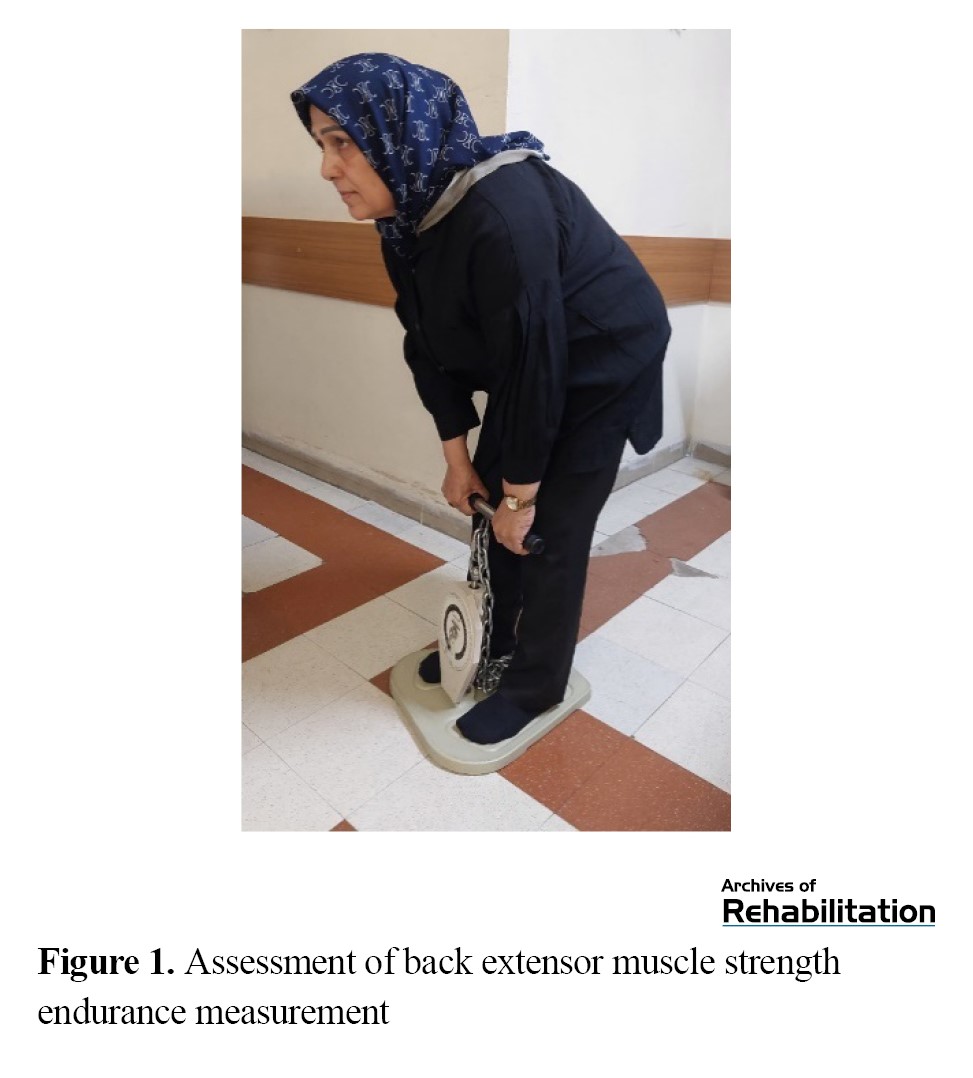
The strength of back extensor muscles was measured using a back-leg-chest dynamometer (BASELINE, USA). The dynamometer consists of a base plate with foot placement lines, a pressure gauge, and an adjustable chain that measures the applied force in kilogram and pound. Participants stood on the base plate with their knees fully extended. The chain of the dynamometer was adjusted so that the handlebar was parallel and aligned with the participants’ tibial tuberosity. Participants gripped the handlebar with their palms facing down, elbows extended, forearms in a pronated position, and spine in a flexed position. They were instructed to pull the handlebar upward toward the ceiling using their back muscles. The measured value was recorded in kilograms. Measurements were performed 3 times, with a 1-minute rest interval between trials, and the average value was considered as the strength measurement [14](Figure 1).
 The repeatability of using the back-leg-chest dynamometer has been demonstrated in previous studies (ICC=0.97) [15].
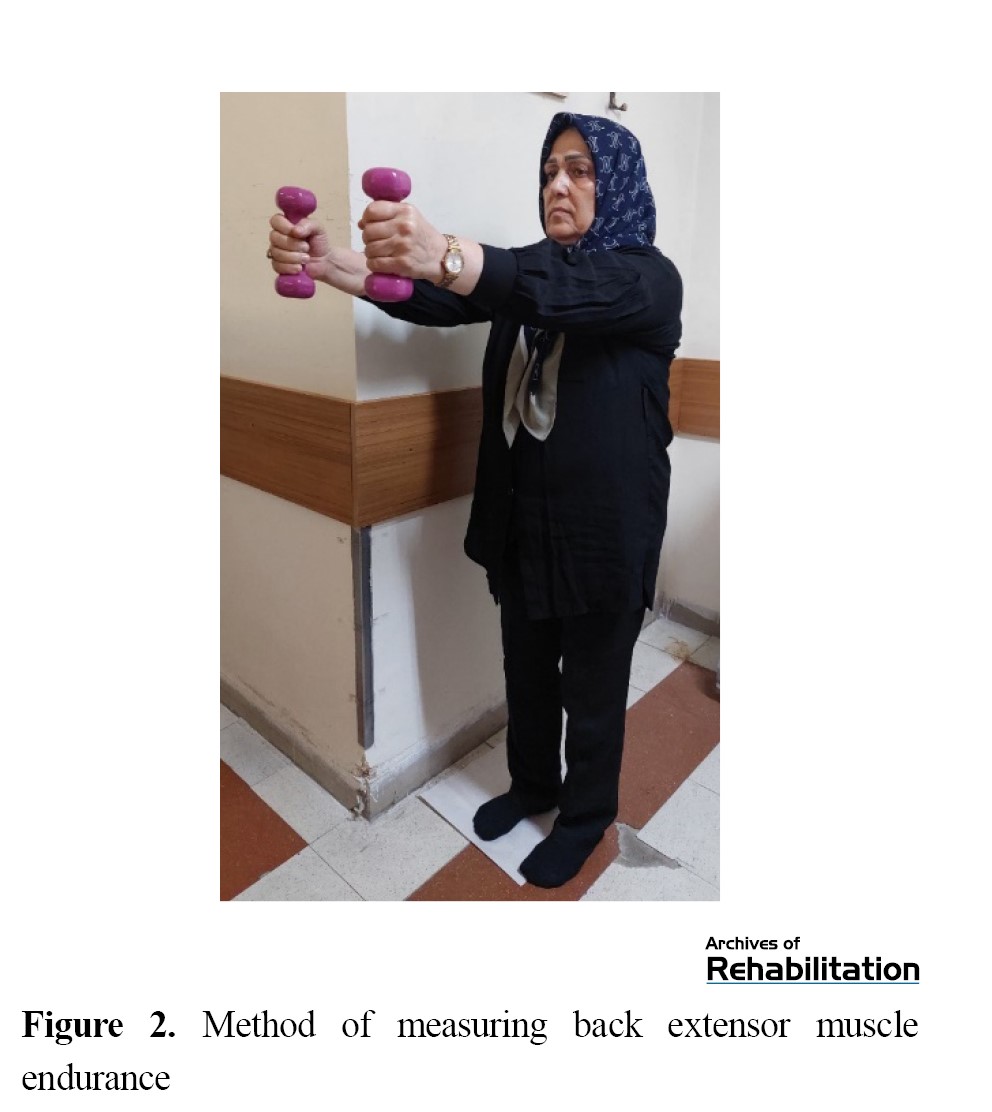
The timed loaded standing test was used to measure trunk muscle endurance. For this test, participants stood with their feet hip-width apart. Shoulders were positioned at 90 degrees of flexion, elbows extended, and forearms in a neutral position (neither supinated nor pronated). Participants held a 2-pound (or 1-kilogram) dumbbell in each hand. They were instructed to flex their elbows, bringing the weights close to their shoulders, then extend their arms and hold the position for the maximum duration possible. The duration for which participants could maintain this position was recorded in seconds and considered as the endurance of the back extensor muscles [16] (Figure 2).
 This test is a reliable and repeatable measure for assessing trunk muscle endurance in individuals with osteoporosis (ICC=0.81) [16, 17].
QoL measurement
QoL is defined as the individual’s state of well-being in terms of physical, psychological, and social conditions, as well as their ability to perform everyday tasks [18]. Health-related QoL was assessed using the QUALEFFO-41, a self-administered questionnaire developed for individuals with osteoporosis by the European Foundation for Osteoporosis, addresses 5 separate areas of QoL: 5 questions on pain, 17 questions on physical functioning, 7 questions on social functioning, 3 questions on general health, and 9 questions on mental health. Each of the 5 domains may be analyzed separately or aggregated into a total score. Scores range from 0 to 100, with lower values indicating better QoL and higher values representing poorer QoL [19]. In this study, the Persian version of this questionnaire was utilized, and its reliability and validity have been established (the Cronbach α =0.71–0.81) [20].
Sample Size
The sample size for this study was calculated based on the correlation coefficient (r=0.455) reported in the study by Miyakoshi et al. [21]. The correlation coefficient (r=0.455) represents the relationship between back extensor strength and QoL in postmenopausal women with osteoporosis. The standard formula for calculating the sample size in correlation studies is as follows (Equation 1):
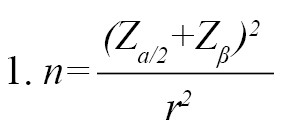
The minimum required sample size for detecting a significant correlation at r=0.455 is approximately 38 participants. To ensure adequate power and account for potential dropouts or missing data, a total of 56 participants were recruited for this study, exceeding the minimum requirement and ensuring the reliability of the findings.
Statistical analysis
The demographic and clinical data were summarized using descriptive measures, including mean values and standard deviations. Normality of the data was evaluated using the Kolmogorov-Smirnov test. Pearson correlation coefficients were calculated to assess the relationships between back extensor muscle strength and endurance with QoL domains. A significance level of P<0.05 was considered statistically significant.
Results
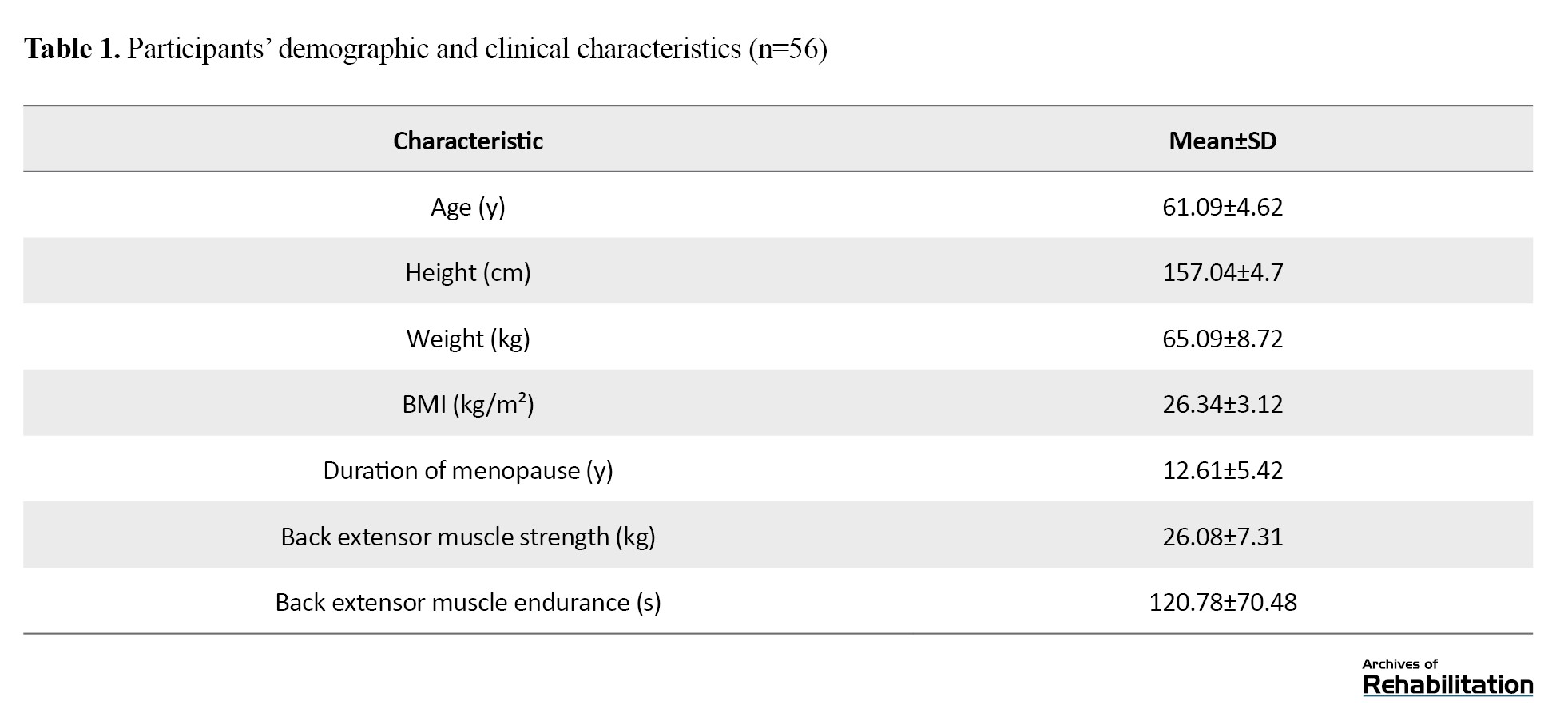
In total, 56 postmenopausal women with osteoporosis participated in the study. Demographic characteristics and descriptive data for back extensor muscle strength and endurance are shown in Table 1.
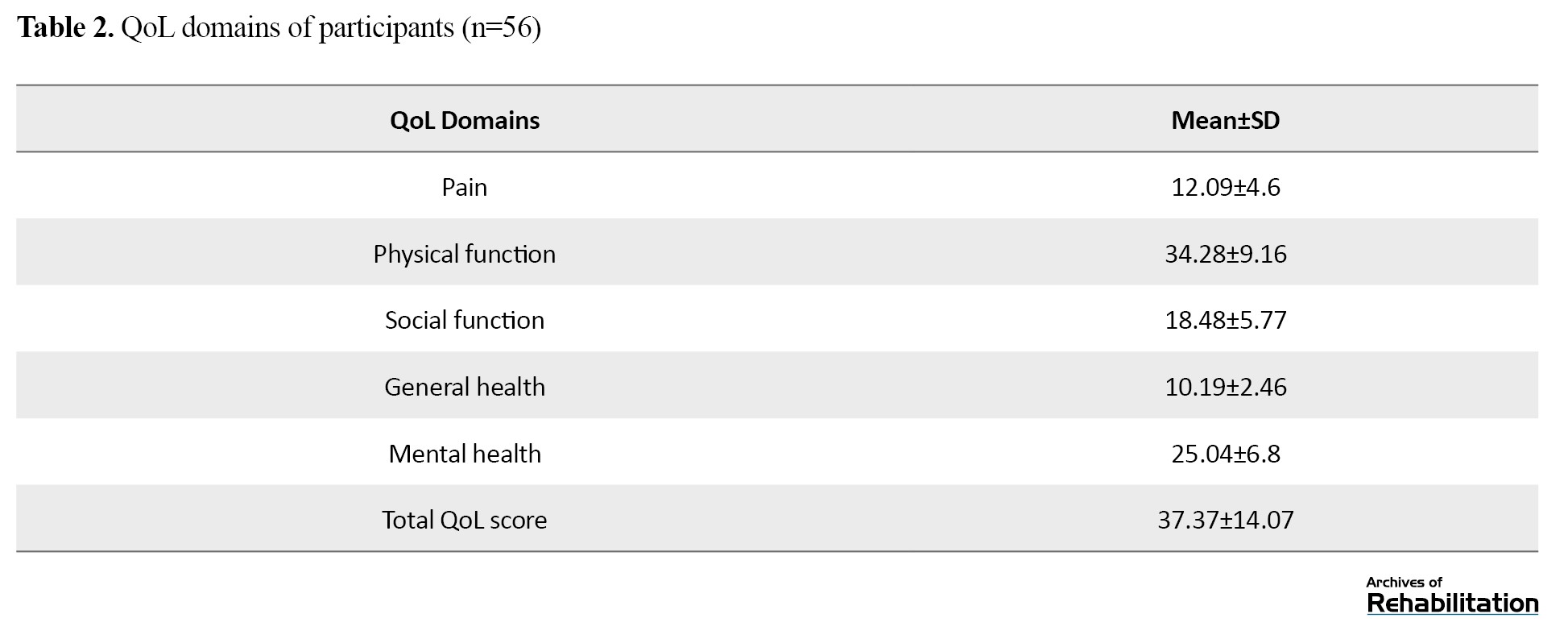
The QoL domains (Table 2) provided insights into the participants’ perceived well-being.
Correlation analysis
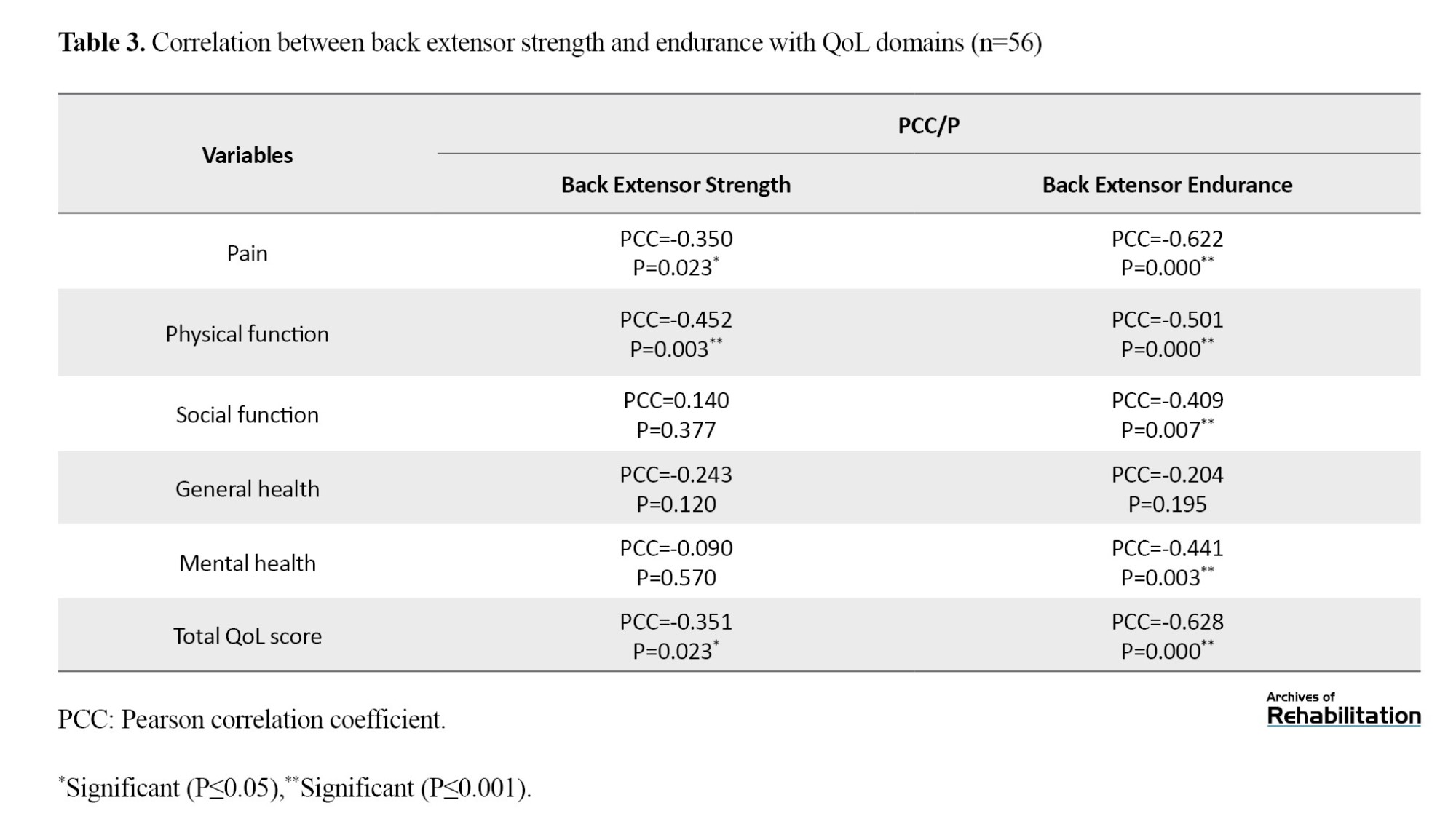
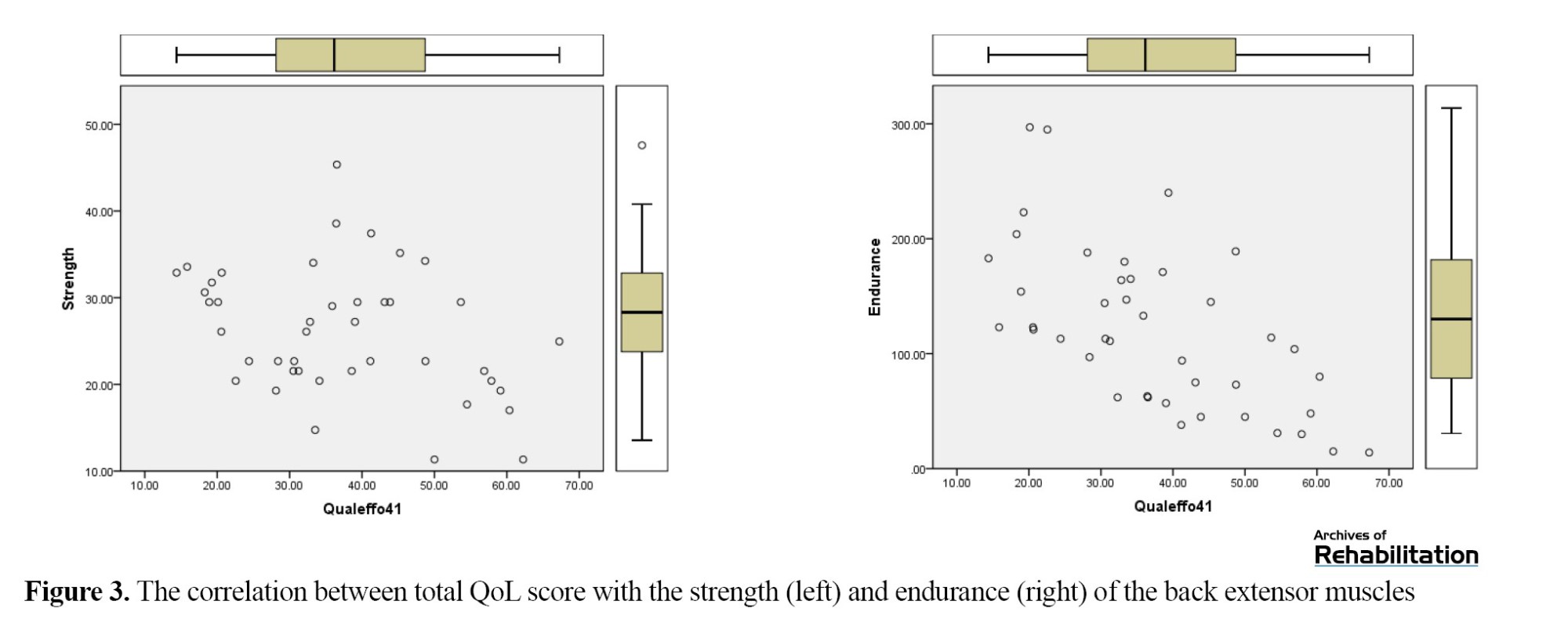
The correlation analysis showed that back extensor muscle endurance had a more pronounced and significant relationship with QoL domains compared to muscle strength (Table 3, Figure 3).
 The basis for interpreting Pearson correlation coefficient (PCC) to determine the strength of the relationship is as follows [22]:
Correlation coefficient between 0.00 and ±0.19 denotes that the relationship is very weak or negligible (practically insignificant).
Correlation coefficient between ±0.20 and ±0.39 denotes a weak relationship.
Correlation coefficient between ±0.40 and ±0.59 indicates a moderate relationship.
Correlation coefficient between±0.60 and ±0.79 shows a strong relationship.
Finally, correlation coefficient between ±0.80 and ±1.00 indicates a very strong relationship.
Pain
Muscle endurance showed a strong negative correlation with pain (PCC=-0.622, P<0.001), indicating that higher endurance levels were associated with lower pain level. In comparison, muscle strength showed a weaker negative correlation (PCC=-0.350, P=0.023).
Physical function
Endurance had a moderate negative correlation with physical function (PCC=-0.501, P<0.001), indicating better physical performance with higher endurance. Muscle strength also correlated negatively, but less strongly (PCC=-0.452, P=0.003).
Social function
Endurance was significantly correlated with social function (PCC=-0.409, P=0.007), while strength showed no significant association (P=0.377). This suggests that improving muscle endurance might lead to better social engagement and interactions.
General health
Neither strength (P=0.120) nor endurance (P=0.195) showed significant correlations with general health, indicating other factors may play a more critical role.
Mental health
Endurance demonstrated a moderate negative correlation with mental health (PCC=-0.441, P=0.003), whereas strength had no significant relationship (P=0.570).
Total QoL score
Endurance had the strongest negative correlation with the total QoL score (PCC=-0.628, P<0.001), suggesting a robust relationship between increased endurance and improved overall QoL. Muscle strength also correlated negatively with the total QoL score, but the effect was smaller (PCC=-0.351, P=0.023)
Discussion
This study investigated the correlation of back extensor muscle strength and endurance on the QoL domains in postmenopausal women with osteoporosis. The findings demonstrate that muscle endurance has a stronger and more consistent relationship with QoL domains compared to muscle strength. These results underline the critical importance of endurance in improving the overall well-being of this population.
Endurance exercises help reduce the loads imposed on the spine and improve posture, both of which are crucial for reducing chronic pain [23, 24]. This study confirms that back extensor muscle endurance has a stronger negative correlation with pain (PCC=-0.622, P<0.001) than muscle strength (PCC=-0.350, P=0.023). While strength training may provide some relief, endurance training offers more significant and lasting pain relief [25]. Evidence from prior studies suggests that engaging in endurance exercises can more effectively address chronic pain [25, 26].
Participation in endurance activities contributes to better physical functioning, increased mobility, and greater independence in activities of daily living in the elderly [27]. In the current study, endurance was strongly correlated with physical function (PCC=-0.501, P<0.001), while strength showed a weaker relationship (PCC=-0.452, P=0.003). This finding is consistent with previous research and suggests that improving muscular endurance may be more effective in enhancing physical abilities than focusing solely on muscular strength. Endurance exercises may help postmenopausal women with osteoporosis maintain or improve their independence in performing activities of daily living, which is a key aspect of QoL [28].
Several studies have shown that increased muscular endurance can positively influence social functioning by reducing fatigue and enhancing physical capacity, thereby enabling more active participation in social activities [29].
In this study, endurance was significantly correlated with social function (PCC=-0.409, P=0.007), while muscle strength did not show a significant relationship (P=0.377). This finding suggests that endurance training may provide broader benefits in terms of social engagement and interaction, as individuals may have more energy and less physical limitation, enabling them to take part in social activities more freely.
In this study, neither muscular endurance nor muscular strength showed a significant association with general health (P=0.120 and P=0.195, respectively). This finding is partly inconsistent with studies such as that of Muller et al. (2017), which reported positive effects of strength training on general health in older adults [30]. The lack of significant correlation in this study may indicate that general health perceptions are influenced by factors beyond musculoskeletal fitness, such as psychological well-being, comorbidities, or general lifestyle habits. This finding underscores the complexity of general health as a multifactorial construct that cannot be solely attributed to muscle strength or endurance. Additionally, the QUALEFFO 41 questionnaire focuses more on skeletal health and physical function, and perhaps this is why, in this study, the results in terms of general health do not show much difference.
A large body of research has highlighted the psychological benefits of endurance training, including improved mood, reduced anxiety, and enhanced self-esteem [31]. Endurance exercises are associated with improvements in depressive and anxiety symptoms in older individuals, improving their overall mental health [32, 33]. In this study, muscle endurance demonstrated a significant negative correlation with mental health distress (PCC=-0.441, P=0.003), whereas muscle strength did not show a significant correlation (P=0.570). These findings suggest that endurance training may provide broader psychological benefits, such as improved mood, increased resilience, and better emotional well-being. While strength training can enhance physical performance, it appears to be less effective in addressing the psychological dimensions of health [34].
Finally, the overall QoL was more strongly correlated with muscle endurance (PCC=-0.628, P<0.001) compared to muscle strength (PCC=-0.351, P=0.023). This finding supports previous studies that have suggested that endurance exercises lead to more comprehensive improvements in QoL compared to strength training alone, although they used the SF-36 questionnaire [35, 36]. In addition, the endurance of the back extensor muscles, which are part of the postural and endurance muscles, plays a very important role in maintaining and improving posture. These muscles help maintain balance and stability of the body over time and are effective in reducing spinal stress and alleviating chronic pain [37]. The holistic nature of endurance training, which impacts both physical and psychological well-being, likely contributes to these broader improvements in overall QoL [38].
Practical implications
These findings suggest that adding endurance-focused exercises to rehabilitation programs for postmenopausal women with osteoporosis may improve QoL more than strength training alone. Low-resistance, high-repetition movements or sustained isometric holds can effectively target back extensor endurance. These results highlight the need for a comprehensive approach that incorporates a combination of strength and endurance exercises, along with pain management and attention to mental health.
The present research has certain limitations that should be considered when interpreting the findings. First, the sample size was limited (n=56), and participants were recruited from a single outpatient clinic, which may not be representative of all postmenopausal women with osteoporosis. Second, the cross-sectional study design does not allow for the determination of causal relationships, and only associations can be assessed. The generalizability of these results may be limited, emphasizing the importance of conducting additional studies with larger cohorts and longitudinal methodologies to substantiate the outcomes.
Conclusion
Overall, this study highlights the vital role of back extensor muscle endurance in improving various domains of QoL in postmenopausal women with osteoporosis. These findings indicate that endurance exercises, compared with strength-focused exercises alone, provide broader and more substantial benefits in reducing pain, improving physical function, increasing social participation, and enhancing mental health. From a practical perspective, these results may guide the development of comprehensive rehabilitation programs that incorporate targeted endurance exercises alongside pain management and attention to psychological aspects. Such programs may help improve patients’ independence and overall QoL.
However, the study’s limitations, including the small sample size, recruitment of participants from a single clinic, and the cross-sectional design should be considered when interpreting the results, and the generalizability of the findings is limited. Therefore, longitudinal studies with larger samples and the use of diverse QoL assessment tools are needed to confirm and extend these findings. Ultimately, the results of this study may contribute to clinical decision-making and policymaking in the rehabilitation of postmenopausal women with osteoporosis, highlighting the importance of endurance exercises in comprehensive QoL enhancement programs.
Ethical Considerations
Compliance with ethical guidelines
This study was approved by the Research Ethics Committee of Tehran University of Medical Sciences, Tehran, Iran (Code: IR.TUMS.FNM.REC.1401.194). All participants signed a written informed consent before the start of the study. Careful and complete explanations were given when obtaining consent at screening and enrollment to ensure subjects’ understanding.
Funding
This study was extracted from the PhD dissertation of Zeinab Mohammadjannataj, approved by Tehran University of Medical Sciences. This study was funded by Tehran University of Medical Sciences (Grant No.: 1402-2-103-65746).
Authors' contributions
Conceptualization and study design: Zeinab Mohammadjan Netaj and Azadeh Shadmehr; Data collection: Zeinab Mohammadjan Netaj; Writing, data preparation and analytical tools: Zeinab Mohammadjan Netaj, Azadeh Shadmehr, and Sara Fereidounnia; Analysis: Zeinab Mohammadjan Netaj and Sara Fereidounnia; Review, editing and final approval: Noushin Bayat, Seyed Ebrahim Hashemi, and Jan Domroholt.
Conflict of interest
All authors declared no conflict of interest.
Acknowledgments
The authors would like to thank Tehran University of Medical Sciences and the participants.
References
Osteoporosis represents a gradual loss of bone mass and strength, leading to compromised skeletal integrity, is a leading cause of fractures and disability among postmenopausal women [1]. During menopause, hormonal alterations—especially decreased estrogen levels—promote increased bone resorption, resulting in a rapid loss of bone density [2]. This loss of bone strength significantly increases the risk of fractures, particularly in weight-bearing regions such as the vertebrae, hips, and wrists [3]. These fractures often lead to chronic pain, limited mobility, and significant reductions in functional independence, all of which severely impair the quality of life (QoL) in affected individuals [1, 3].
In addition to the direct effects of osteoporosis on the skeletal system, muscular dysfunction plays a pivotal role in exacerbating its impact [4]. The back extensor muscles, which are critical for maintaining spinal posture, stability, and movement, are particularly affected in postmenopausal women with osteoporosis [5, 6]. Weakness and reduced endurance of these muscles can lead to postural deformities, such as increased thoracic kyphosis, which not only elevates the risk of vertebral compression fractures but also compromises pulmonary function, balance, and mobility [7, 8] These issues further reduce physical performance and limit participation in everyday activities, resulting in a significant decline in both physical and psychosocial domains of QoL [5].
The role of muscle strength and endurance in mitigating the effects of osteoporosis has been a focus of recent research. Studies suggest that targeted exercises to strengthen the back extensor muscles may improve spinal alignment, enhance postural stability, and decrease the likelihood of falls and fractures [9]. Moreover, improved back extensor muscle function has been linked to better outcomes in pain management, mobility, and overall physical performance, contributing positively to QoL [5, 10]. Despite numerous reports on the benefits of back extensor muscle exercises, some studies have shown that influence of these exercises on physical performance and QoL remains inconsistent, with limitations, such as small sample sizes or the use of different assessment tools. Addressing this gap is critical, as osteoporosis is not merely a physical condition, but a multifaceted disorder that profoundly affects the psychological and social well-being of individuals [11]. Postmenopausal women with osteoporosis often experience feelings of anxiety, depression, and a fear of falling, which further diminish their QoL [12]. Identifying modifiable factors, such as the strength and endurance of back extensor muscles, that can influence these domains is essential for designing comprehensive rehabilitation programs.
The present study aimed to determine the link between back extensor muscle strength and endurance capacity and various domains of QoL in postmenopausal women with osteoporosis. By investigating how these muscular factors affect the physical, psychological, and social aspects of QoL, this study seeks to provide evidence-based recommendations for targeted interventions. The findings may serve as a guide for designing exercise and rehabilitation programs.
Materials and Methods
Ethic approval
Approval for this study was obtained from the Ethics Committee of Tehran University of Medical Sciences. All participants signed a written informed consent before the start of the study. Careful and complete explanations were given when obtaining consent at screening and enrollment to ensure subjects’ understanding. This study was conducted at Baqiyyatallah Al-Azam Clinic from January 2024 to September 2024.
Study participants
Participants were postmenopausal women aged 50–70 years, each with a postmenopausal duration of at least two years and were clinically diagnosed with osteoporosis based on bone mineral density (BMD) measurements (T-score≤-2.5) using dual-energy X-ray absorptiometry (DXA). Participants were required to have basic literacy skills (reading and writing) to ensure proper understanding and completion of study protocols. Participants were selected from the outpatient osteoporosis clinic using a convenience sampling method. Women with a history of spinal surgery, severe kyphosis, neurological disorders, and other musculoskeletal conditions that might affect back extensor muscle function were excluded [13].
Study design
This was a cross-sectional study aimed at evaluating the relationship between back extensor muscle strength and endurance with various QoL domains in postmenopausal women with osteoporosis. Data collection included strength and endurance of muscles assessments, and QoL evaluations.
Strength measurement
The strength of back extensor muscles was measured using a back-leg-chest dynamometer (BASELINE, USA). The dynamometer consists of a base plate with foot placement lines, a pressure gauge, and an adjustable chain that measures the applied force in kilogram and pound. Participants stood on the base plate with their knees fully extended. The chain of the dynamometer was adjusted so that the handlebar was parallel and aligned with the participants’ tibial tuberosity. Participants gripped the handlebar with their palms facing down, elbows extended, forearms in a pronated position, and spine in a flexed position. They were instructed to pull the handlebar upward toward the ceiling using their back muscles. The measured value was recorded in kilograms. Measurements were performed 3 times, with a 1-minute rest interval between trials, and the average value was considered as the strength measurement [14](Figure 1).
The timed loaded standing test was used to measure trunk muscle endurance. For this test, participants stood with their feet hip-width apart. Shoulders were positioned at 90 degrees of flexion, elbows extended, and forearms in a neutral position (neither supinated nor pronated). Participants held a 2-pound (or 1-kilogram) dumbbell in each hand. They were instructed to flex their elbows, bringing the weights close to their shoulders, then extend their arms and hold the position for the maximum duration possible. The duration for which participants could maintain this position was recorded in seconds and considered as the endurance of the back extensor muscles [16] (Figure 2).
QoL measurement
QoL is defined as the individual’s state of well-being in terms of physical, psychological, and social conditions, as well as their ability to perform everyday tasks [18]. Health-related QoL was assessed using the QUALEFFO-41, a self-administered questionnaire developed for individuals with osteoporosis by the European Foundation for Osteoporosis, addresses 5 separate areas of QoL: 5 questions on pain, 17 questions on physical functioning, 7 questions on social functioning, 3 questions on general health, and 9 questions on mental health. Each of the 5 domains may be analyzed separately or aggregated into a total score. Scores range from 0 to 100, with lower values indicating better QoL and higher values representing poorer QoL [19]. In this study, the Persian version of this questionnaire was utilized, and its reliability and validity have been established (the Cronbach α =0.71–0.81) [20].
Sample Size
The sample size for this study was calculated based on the correlation coefficient (r=0.455) reported in the study by Miyakoshi et al. [21]. The correlation coefficient (r=0.455) represents the relationship between back extensor strength and QoL in postmenopausal women with osteoporosis. The standard formula for calculating the sample size in correlation studies is as follows (Equation 1):
The minimum required sample size for detecting a significant correlation at r=0.455 is approximately 38 participants. To ensure adequate power and account for potential dropouts or missing data, a total of 56 participants were recruited for this study, exceeding the minimum requirement and ensuring the reliability of the findings.
Statistical analysis
The demographic and clinical data were summarized using descriptive measures, including mean values and standard deviations. Normality of the data was evaluated using the Kolmogorov-Smirnov test. Pearson correlation coefficients were calculated to assess the relationships between back extensor muscle strength and endurance with QoL domains. A significance level of P<0.05 was considered statistically significant.
Results
In total, 56 postmenopausal women with osteoporosis participated in the study. Demographic characteristics and descriptive data for back extensor muscle strength and endurance are shown in Table 1.
The QoL domains (Table 2) provided insights into the participants’ perceived well-being.
Correlation analysis
The correlation analysis showed that back extensor muscle endurance had a more pronounced and significant relationship with QoL domains compared to muscle strength (Table 3, Figure 3).
Correlation coefficient between 0.00 and ±0.19 denotes that the relationship is very weak or negligible (practically insignificant).
Correlation coefficient between ±0.20 and ±0.39 denotes a weak relationship.
Correlation coefficient between ±0.40 and ±0.59 indicates a moderate relationship.
Correlation coefficient between±0.60 and ±0.79 shows a strong relationship.
Finally, correlation coefficient between ±0.80 and ±1.00 indicates a very strong relationship.
Pain
Muscle endurance showed a strong negative correlation with pain (PCC=-0.622, P<0.001), indicating that higher endurance levels were associated with lower pain level. In comparison, muscle strength showed a weaker negative correlation (PCC=-0.350, P=0.023).
Physical function
Endurance had a moderate negative correlation with physical function (PCC=-0.501, P<0.001), indicating better physical performance with higher endurance. Muscle strength also correlated negatively, but less strongly (PCC=-0.452, P=0.003).
Social function
Endurance was significantly correlated with social function (PCC=-0.409, P=0.007), while strength showed no significant association (P=0.377). This suggests that improving muscle endurance might lead to better social engagement and interactions.
General health
Neither strength (P=0.120) nor endurance (P=0.195) showed significant correlations with general health, indicating other factors may play a more critical role.
Mental health
Endurance demonstrated a moderate negative correlation with mental health (PCC=-0.441, P=0.003), whereas strength had no significant relationship (P=0.570).
Total QoL score
Endurance had the strongest negative correlation with the total QoL score (PCC=-0.628, P<0.001), suggesting a robust relationship between increased endurance and improved overall QoL. Muscle strength also correlated negatively with the total QoL score, but the effect was smaller (PCC=-0.351, P=0.023)
Discussion
This study investigated the correlation of back extensor muscle strength and endurance on the QoL domains in postmenopausal women with osteoporosis. The findings demonstrate that muscle endurance has a stronger and more consistent relationship with QoL domains compared to muscle strength. These results underline the critical importance of endurance in improving the overall well-being of this population.
Endurance exercises help reduce the loads imposed on the spine and improve posture, both of which are crucial for reducing chronic pain [23, 24]. This study confirms that back extensor muscle endurance has a stronger negative correlation with pain (PCC=-0.622, P<0.001) than muscle strength (PCC=-0.350, P=0.023). While strength training may provide some relief, endurance training offers more significant and lasting pain relief [25]. Evidence from prior studies suggests that engaging in endurance exercises can more effectively address chronic pain [25, 26].
Participation in endurance activities contributes to better physical functioning, increased mobility, and greater independence in activities of daily living in the elderly [27]. In the current study, endurance was strongly correlated with physical function (PCC=-0.501, P<0.001), while strength showed a weaker relationship (PCC=-0.452, P=0.003). This finding is consistent with previous research and suggests that improving muscular endurance may be more effective in enhancing physical abilities than focusing solely on muscular strength. Endurance exercises may help postmenopausal women with osteoporosis maintain or improve their independence in performing activities of daily living, which is a key aspect of QoL [28].
Several studies have shown that increased muscular endurance can positively influence social functioning by reducing fatigue and enhancing physical capacity, thereby enabling more active participation in social activities [29].
In this study, endurance was significantly correlated with social function (PCC=-0.409, P=0.007), while muscle strength did not show a significant relationship (P=0.377). This finding suggests that endurance training may provide broader benefits in terms of social engagement and interaction, as individuals may have more energy and less physical limitation, enabling them to take part in social activities more freely.
In this study, neither muscular endurance nor muscular strength showed a significant association with general health (P=0.120 and P=0.195, respectively). This finding is partly inconsistent with studies such as that of Muller et al. (2017), which reported positive effects of strength training on general health in older adults [30]. The lack of significant correlation in this study may indicate that general health perceptions are influenced by factors beyond musculoskeletal fitness, such as psychological well-being, comorbidities, or general lifestyle habits. This finding underscores the complexity of general health as a multifactorial construct that cannot be solely attributed to muscle strength or endurance. Additionally, the QUALEFFO 41 questionnaire focuses more on skeletal health and physical function, and perhaps this is why, in this study, the results in terms of general health do not show much difference.
A large body of research has highlighted the psychological benefits of endurance training, including improved mood, reduced anxiety, and enhanced self-esteem [31]. Endurance exercises are associated with improvements in depressive and anxiety symptoms in older individuals, improving their overall mental health [32, 33]. In this study, muscle endurance demonstrated a significant negative correlation with mental health distress (PCC=-0.441, P=0.003), whereas muscle strength did not show a significant correlation (P=0.570). These findings suggest that endurance training may provide broader psychological benefits, such as improved mood, increased resilience, and better emotional well-being. While strength training can enhance physical performance, it appears to be less effective in addressing the psychological dimensions of health [34].
Finally, the overall QoL was more strongly correlated with muscle endurance (PCC=-0.628, P<0.001) compared to muscle strength (PCC=-0.351, P=0.023). This finding supports previous studies that have suggested that endurance exercises lead to more comprehensive improvements in QoL compared to strength training alone, although they used the SF-36 questionnaire [35, 36]. In addition, the endurance of the back extensor muscles, which are part of the postural and endurance muscles, plays a very important role in maintaining and improving posture. These muscles help maintain balance and stability of the body over time and are effective in reducing spinal stress and alleviating chronic pain [37]. The holistic nature of endurance training, which impacts both physical and psychological well-being, likely contributes to these broader improvements in overall QoL [38].
Practical implications
These findings suggest that adding endurance-focused exercises to rehabilitation programs for postmenopausal women with osteoporosis may improve QoL more than strength training alone. Low-resistance, high-repetition movements or sustained isometric holds can effectively target back extensor endurance. These results highlight the need for a comprehensive approach that incorporates a combination of strength and endurance exercises, along with pain management and attention to mental health.
The present research has certain limitations that should be considered when interpreting the findings. First, the sample size was limited (n=56), and participants were recruited from a single outpatient clinic, which may not be representative of all postmenopausal women with osteoporosis. Second, the cross-sectional study design does not allow for the determination of causal relationships, and only associations can be assessed. The generalizability of these results may be limited, emphasizing the importance of conducting additional studies with larger cohorts and longitudinal methodologies to substantiate the outcomes.
Conclusion
Overall, this study highlights the vital role of back extensor muscle endurance in improving various domains of QoL in postmenopausal women with osteoporosis. These findings indicate that endurance exercises, compared with strength-focused exercises alone, provide broader and more substantial benefits in reducing pain, improving physical function, increasing social participation, and enhancing mental health. From a practical perspective, these results may guide the development of comprehensive rehabilitation programs that incorporate targeted endurance exercises alongside pain management and attention to psychological aspects. Such programs may help improve patients’ independence and overall QoL.
However, the study’s limitations, including the small sample size, recruitment of participants from a single clinic, and the cross-sectional design should be considered when interpreting the results, and the generalizability of the findings is limited. Therefore, longitudinal studies with larger samples and the use of diverse QoL assessment tools are needed to confirm and extend these findings. Ultimately, the results of this study may contribute to clinical decision-making and policymaking in the rehabilitation of postmenopausal women with osteoporosis, highlighting the importance of endurance exercises in comprehensive QoL enhancement programs.
Ethical Considerations
Compliance with ethical guidelines
This study was approved by the Research Ethics Committee of Tehran University of Medical Sciences, Tehran, Iran (Code: IR.TUMS.FNM.REC.1401.194). All participants signed a written informed consent before the start of the study. Careful and complete explanations were given when obtaining consent at screening and enrollment to ensure subjects’ understanding.
Funding
This study was extracted from the PhD dissertation of Zeinab Mohammadjannataj, approved by Tehran University of Medical Sciences. This study was funded by Tehran University of Medical Sciences (Grant No.: 1402-2-103-65746).
Authors' contributions
Conceptualization and study design: Zeinab Mohammadjan Netaj and Azadeh Shadmehr; Data collection: Zeinab Mohammadjan Netaj; Writing, data preparation and analytical tools: Zeinab Mohammadjan Netaj, Azadeh Shadmehr, and Sara Fereidounnia; Analysis: Zeinab Mohammadjan Netaj and Sara Fereidounnia; Review, editing and final approval: Noushin Bayat, Seyed Ebrahim Hashemi, and Jan Domroholt.
Conflict of interest
All authors declared no conflict of interest.
Acknowledgments
The authors would like to thank Tehran University of Medical Sciences and the participants.
References
- Management of osteoporosis in postmenopausal women: the 2021 position statement of The North American Menopause Society. Menopause (New York, NY). 2021; 28(9):973-97. [DOI:10.1097/GME.0000000000001831] [PMID]
- Rasul S, Mashayekhi Y, Javaid M, Merie S, Khalaf MA, Ahmed T, et al. Hormonal changes during menopause and their impact on bone health: insights from orthopedic and reproductive medicine. Cureus. 2025; 17(9):e93224. [DOI:10.7759/cureus.93224]
- Bhatnagar A, Kekatpure AL. Postmenopausal osteoporosis: A literature review. Cureus. 2022; 14(9):e29367. [DOI:10.7759/cureus.29367]
- Agostini D, Zeppa Donati S, Lucertini F, Annibalini G, Gervasi M, Ferri Marini C, et al. Muscle and bone health in postmenopausal women: Role of protein and Vitamin D supplementation combined with exercise training. Nutrients. 2018; 10(8):1103. [DOI:10.3390/nu10081103] [PMID]
- Çergel Y, Topuz O, Alkan H, Sarsan A, Sabir Akkoyunlu N. The effects of short-term back extensor strength training in postmenopausal osteoporotic women with vertebral fractures: Comparison of supervised and home exercise program. Archives of osteoporosis. 2019; 14(1):82. [DOI:10.1007/s11657-019-0632-z] [PMID]
- Sinaki M, Itoi E, Wahner HW, Wollan P, Gelzcer R, Mullan BP, et al. Stronger back muscles reduce the incidence of vertebral fractures: A prospective 10 year follow-up of postmenopausal women. Bone. 2002; 30(6):836-41. [DOI:10.1016/S8756-3282(02)00739-1] [PMID]
- Morais N, Cruz J, Marques A. Posture and mobility of the upper body quadrant and pulmonary function in COPD: An exploratory study. Brazilian Journal of Physical Therapy. 2016; 20(4):345-54. [DOI:10.1590/bjpt-rbf.2014.0162] [PMID]
- Lorbergs AL, O’Connor GT, Zhou Y, Travison TG, Kiel DP, Cupples LA, et al. Severity of Kyphosis and decline in lung function: The Framingham study. The Journals of Gerontology Series A, Biological sciences and medical Sciences. 2017; 72(5):689-94. [DOI:10.1093/gerona/glw124] [PMID]
- Fukuda A, Tsushima E, Wada K, Ishibashi Y. Effects of back extensor strengthening exercises on postural alignment, physical function and performance, self-efficacy, and quality of life in Japanese community-dwelling older adults: A controlled clinical trial. Physical therapy research. 2020; 23(2):132-42. [DOI:10.1298/ptr.E10013] [PMID]
- Hongo M, Itoi E, Sinaki M, Miyakoshi N, Shimada Y, Maekawa S, et al. Effect of low-intensity back exercise on quality of life and back extensor strength in patients with osteoporosis: A randomized controlled trial. Osteoporosis International. 2007; 18(10):1389-95. [DOI:10.1007/s00198-007-0398-9] [PMID]
- Lasaite L, Krasauskiene A. Psychological state, quality of life, and body composition in postmenopausal women with osteoporosis in Lithuania. Archives of osteoporosis. 2009; 4(1-2):85-90. [DOI:10.1007/s11657-009-0034-8] [PMID]
- Erez HB, Weller A, Vaisman N, Kreitler S. The relationship of depression, anxiety and stress with low bone mineral density in post-menopausal women. Archives of osteoporosis. 2012; 7:247-55. [DOI:10.1007/s11657-012-0105-0] [PMID]
- St Jeor JD, Jackson TJ, Xiong AE, Kadri A, Freedman BA, Sebastian AS, et al. Osteoporosis in spine surgery patients: what is the best way to diagnose osteoporosis in this population? Neurosurgical focus. 2020; 49(2):E4. [DOI:10.3171/2020.5.FOCUS20277] [PMID]
- Yang S, Wu W, Zhang C, Wang D, Chen C, Tang Y, et al. Reliability and validity of three isometric back extensor strength assessments with different test postures. The Journal of international Medical Research. 2020; 48(2):300060519885268. [DOI:10.1177/0300060519885268] [PMID]
- Ten Hoor GA, Musch K, Meijer K, Plasqui G. Test-retest reproducibility and validity of the back-leg-chest strength measurements. Isokinetics and Exercise Science. 2016; 24(3):209-16. [DOI:10.3233/IES-160619]
- Newman M, Newman R, Hughes T, Vadher K, Barker KL. Is the timed loaded standing test a valid measure of back muscle endurance in people with vertebral osteoporosis? Osteoporosis international. 2018; 29(4):893-905. [DOI:10.1007/s00198-017-4358-8] [PMID]
- Shipp KM, Purse JL, Gold DT, Pieper CF, Sloane R, Schenkman M, et al. Timed loaded standing: a measure of combined trunk and arm endurance suitable for people with vertebral osteoporosis. Osteoporosis international. 2000; 11(11):914-22. [DOI:10.1007/s001980070029] [PMID]
- Abourazzak FE, Allali F, Rostom S, Hmamouchi I, Ichchou L, El Mansouri L, et al. Factors influencing quality of life in Moroccan postmenopausal women with osteoporotic vertebral fracture assessed by ECOS 16 questionnaire. Health and Quality of life outcomes. 2009; 7:23. [DOI:10.1186/1477-7525-7-23] [PMID]
- Choo YW, Mohd Tahir NA, Mohamed Said MS, Makmor Bakry M. Health-related quality of life in osteoporosis: a systematic review of measurement properties of the QUALEFFO-41. Osteoporosis international. 2024; 35(5):745-57. [DOI:10.1007/s00198-023-07005-0] [PMID]
- Azimi P, Shahzadi S, Azhari S, Montazeri A. An outcome measure of functionality and quality of life in Iranian women with osteoporotic vertebral fractures: a validation study of the QUALEFFO-41. Journal of Orthopaedic Science. 2014; 19(6):860-7. [DOI:10.1007/s00776-014-0609-0] [PMID]
- Miyakoshi N, Hongo M, Maekawa S, Ishikawa Y, Shimada Y, Itoi E. Back extensor strength and lumbar spinal mobility are predictors of quality of life in patients with postmenopausal osteoporosis. Osteoporosis international. 2007; 18(10):1397-403. [DOI:10.1007/s00198-007-0383-3] [PMID]
- Papageorgiou SN. On correlation coefficients and their interpretation. Journal of orthodontics. 2022; 49(3):359-61. [DOI:10.1177/14653125221076142] [PMID]
- Chok B, Lee R, Latimer J, Tan SB. Endurance training of the trunk extensor muscles in people with subacute low back pain. Physical therapy. 1999; 79(11):1032-42. [DOI:10.1093/ptj/79.11.1032] [PMID]
- García-Correa HR, Sánchez-Montoya LJ, Daza-Arana JE, Ordoñez-Mora LT. Aerobic physical exercise for pain intensity, aerobic capacity, and quality of life in patients with chronic pain: A systematic review and meta-analysis. Journal of physical Activity & health. 2021; 18(9):1126-42. [DOI:10.1123/jpah.2020-0806] [PMID]
- Polaski AM, Phelps AL, Kostek MC, Szucs KA, Kolber BJ. Exercise-induced hypoalgesia: A meta-analysis of exercise dosing for the treatment of chronic pain. PloS one. 2019; 14(1):e0210418. [DOI:10.1371/journal.pone.0210418] [PMID]
- Bidonde J, Busch AJ, Schachter CL, Overend TJ, Kim SY, Góes SM, et al. Aerobic exercise training for adults with fibromyalgia. The Cochrane database of systematic reviews. 2017; 6(6):CD012700. [DOI:10.1002/14651858.CD012700] [PMID]
- Valenzuela PL, Saco-Ledo G, Morales JS, Gallardo-Gómez D, Morales-Palomo F, López-Ortiz S, et al. Effects of physical exercise on physical function in older adults in residential care: a systematic review and network meta-analysis of randomised controlled trials. The lancet Healthy longevity. 2023; 4(6):e247-56. [DOI:10.1016/S2666-7568(23)00057-0] [PMID]
- Jamka M, Mądry E, Bogdański P, Kryściak J, Mądry R, Lisowska A, et al. The effect of endurance and endurance-strength training on bone mineral density and content in abdominally obese postmenopausal women: A randomized trial. Healthcare (Basel, Switzerland). 2021; 9(8):1074. [DOI:10.3390/healthcare9081074] [PMID]
- Khodadad Kashi S, Mirzazadeh ZS, Saatchian V. A systematic review and meta-analysis of resistance training on quality of life, depression, muscle strength, and functional exercise capacity in older adults aged 60 years or more. Biological research for nursing. 2023; 25(1):88-106. [DOI:10.1177/10998004221120945] [PMID]
- Muellmann S, Forberger S, Möllers T, Bröring E, Zeeb H, Pischke CR. Effectiveness of eHealth interventions for the promotion of physical activity in older adults: A systematic review. Preventive Medicine. 2018; 108:93-110. [DOI:10.1016/j.ypmed.2017.12.026] [PMID]
- Filipas L, Martin K, Northey JM, La Torre A, Keegan R, Rattray B. A 4-week endurance training program improves tolerance to mental exertion in untrained individuals. Journal of Science and Medicine in Sport. 2020; 23(12):1215-9. [DOI:10.1016/j.jsams.2020.04.020] [PMID]
- Chovanec L, Gröpel P. Effects of 8-week endurance and resistance training programmes on cardiovascular stress responses, life stress and coping. Journal of Sports Sciences. 2020; 38(15):1699-707. [DOI:10.1080/02640414.2020.1756672] [PMID]
- Singh NA, Stavrinos TM, Scarbek Y, Galambos G, Liber C, Fiatarone Singh MA. A randomized controlled trial of high versus low intensity weight training versus general practitioner care for clinical depression in older adults. The Journals of Gerontology. Series A, Biological Sciences and Medical Sciences. 2005; 60(6):768-76. [DOI:10.1093/gerona/60.6.768] [PMID]
- Khorvash M, Askari A, Rafiemanzelat F, Botshekan M, Khorvash F. An investigation on the effect of strength and endurance training on depression, anxiety, and C-reactive protein’s inflammatory biomarker changes. Journal of Research in Medical Sciences. 2012; 17(11):1072-6. [PMID]
- Stewart AL, King AC, Haskell WL. Endurance exercise and health-related quality of life in 50-65 year-old adults. The Gerontologist. 1993; 33(6):782-9. [DOI:10.1093/geront/33.6.782] [PMID]
- Sillanpää E, Häkkinen K, Holviala J, Häkkinen A. Combined strength and endurance training improves health-related quality of life in healthy middle-aged and older adults. International Journal of Sports Medicine. 2012; 33(12):981-6. [DOI:10.1055/s-0032-1311589] [PMID]
- O’Sullivan PB, Mitchell T, Bulich P, Waller R, Holte J. The relationship beween posture and back muscle endurance in industrial workers with flexion-related low back pain. Manual Therapy. 2006; 11(4):264-71. [DOI:10.1016/j.math.2005.04.004] [PMID]
- Marquez DX, Aguiñaga S, Vásquez PM, Conroy DE, Erickson KI, Hillman C, et al. A systematic review of physical activity and quality of life and well-being. Translational Behavioral Medicine. 2020; 10(5):1098-109. [DOI:10.1093/tbm/ibz198] [PMID]
Type of Study: Original |
Subject:
Physical Therapy
Send email to the article author
| Rights and permissions | |
 |
This work is licensed under a Creative Commons Attribution-NonCommercial 4.0 International License. |

Copyright © The Author(s);
This is an open access article distributed under the terms of the Creative Commons Attribution-NonCommercial 4.0 (CC-By-NC 4.0), which permits use, distribution, and reproduction in any medium, provided the original work is properly cited and is not used for commercial purposes.
Contact Information
This is an open access article distributed under the terms of the Creative Commons Attribution-NonCommercial 4.0 (CC-By-NC 4.0), which permits use, distribution, and reproduction in any medium, provided the original work is properly cited and is not used for commercial purposes.
Contact Information